




Starlink Mobile already works on a long list of carrier networks, but SpaceX's own US network is a late-2027 plan. So “where will it work” has two answers, depending on whether you mean today or what comes next. Here's what each one covers, and what hasn't been confirmed.
What Works Today
Today's service is supplemental coverage that your carrier switches on when there's no regular signal. In the US, the only carrier Starlink's Mobile page names is T-Mobile. Starlink says the constellation has 650 satellites in orbit and is powering data, voice, video and messaging across six continents.
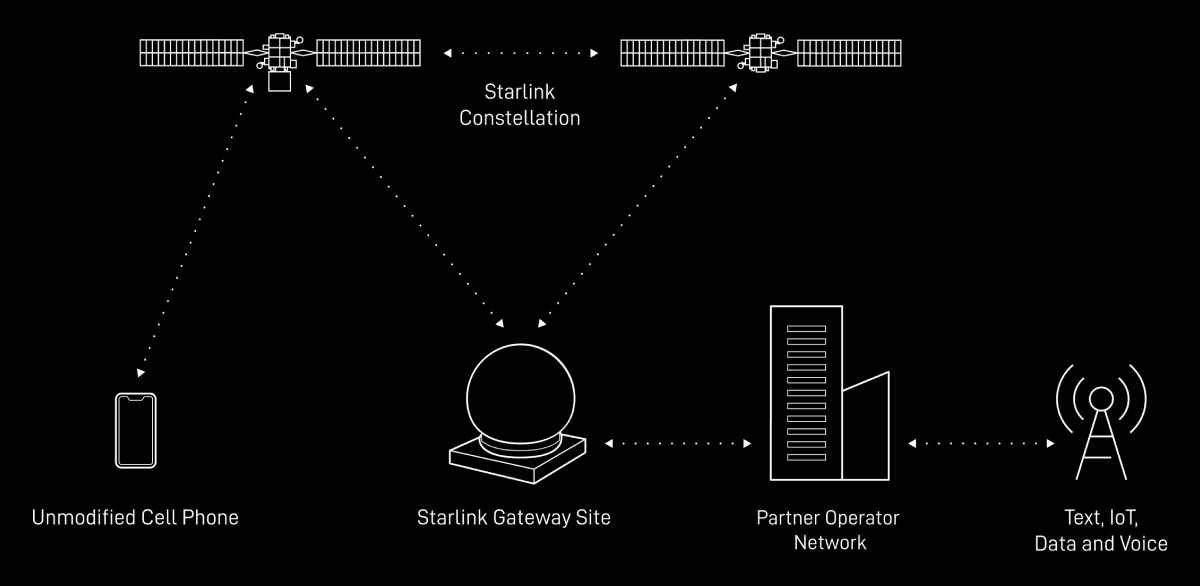
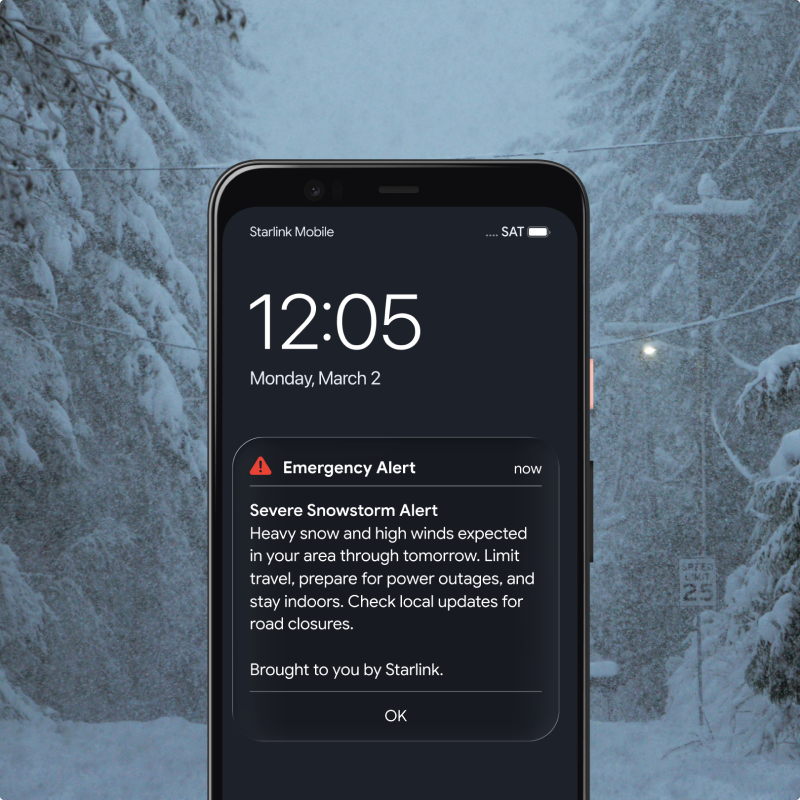
Starlink lists data as available on 40+ apps and 100+ devices. Voice works through apps for now, with native calling listed as a future service. Wireless emergency alerts are listed for the US, Canada and Japan.
Which Carriers Are Partners?
For readers outside the US, Starlink's partner list includes Rogers in Canada and VMO2 in the UK. In Europe it names Deutsche Telekom (10 countries), MasOrange in Spain and Fastweb in Italy. Optus, Telstra, One NZ, KDDI, Docomo and SoftBank are on the list too, along with Airtel Africa across 14 countries.
Starlink describes that list as reciprocal global connectivity for cellular providers in partner nations. It says more partnerships are coming soon.
What Starlink's Availability Map Shows
Starlink's own map shades the US, Canada, the UK, Australia, New Zealand and Japan as available. Countries such as Germany, Spain, Mexico and Brazil are marked coming soon, and a few places are listed for emergency connectivity only.
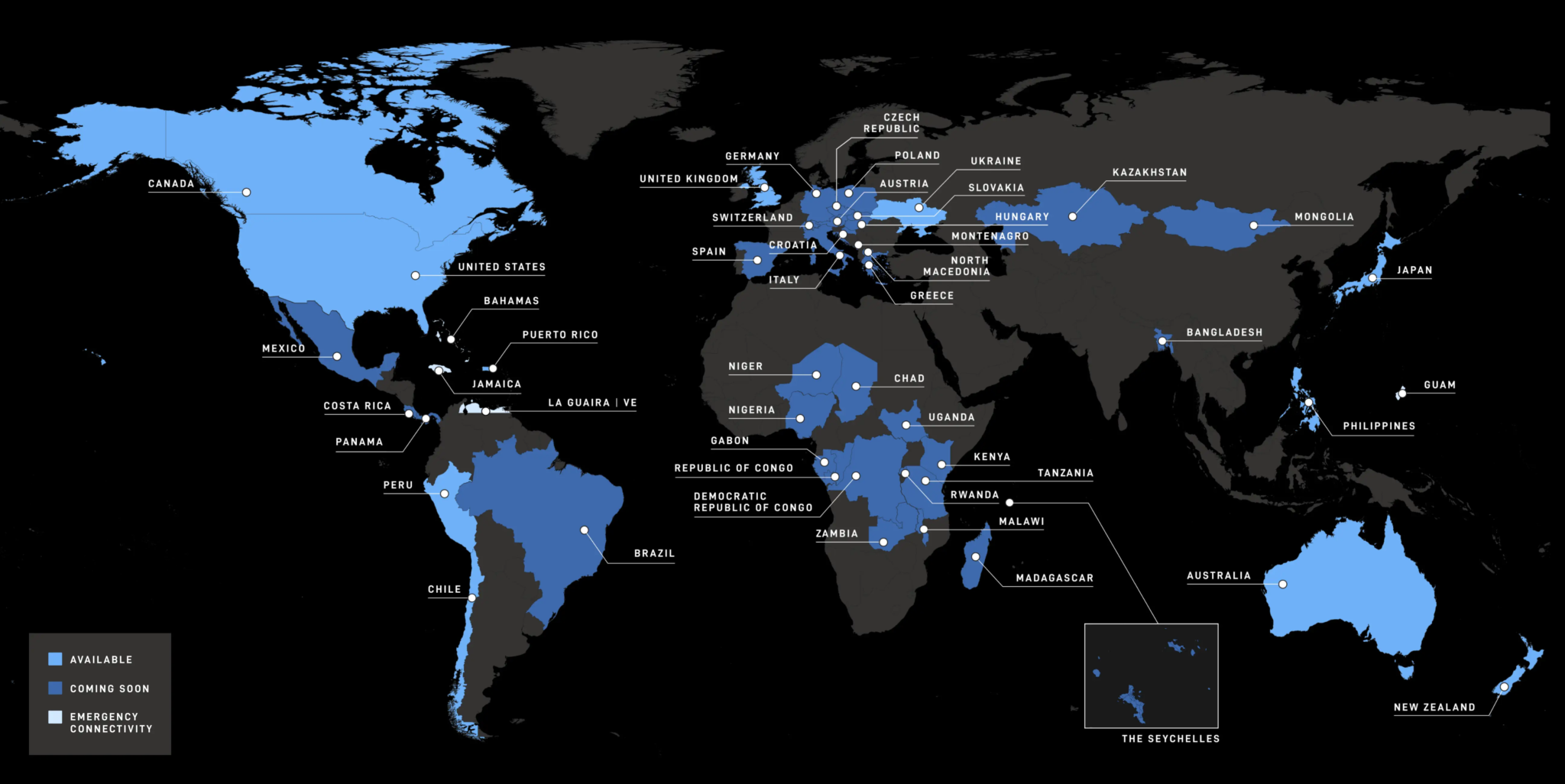
The map shows country status, not carriers, so check with your own carrier before assuming the service is switched on for your plan.
What Changes in 2027
SpaceX's next step is its own mobile service. On its Q2 earnings call, president Gwynne Shotwell said second-generation satellites start flying in 2027 and the service goes live at the end of 2027. She has also said SpaceX will build out terrestrial infrastructure on the EchoStar spectrum it's acquiring.

The EchoStar deal covers 65 MHz of spectrum, and the second step isn't due to close until November 2027, as we covered in our earlier look at SpaceX's 800 MHz deal. That deal is why the question of which phones support the 800 MHz band matters. Qualcomm-powered base stations are due from 2027, per our report on the Qualcomm and Starlink partnership.
Where Could the Ground Network Go?
SpaceX hasn't published a coverage map for the ground network or a city list. Shotwell has said the network will mostly use S-band spectrum from EchoStar, with low-band spectrum helping signals penetrate buildings for indoor coverage. Bloomberg reports that SpaceX is in talks with tower companies about access to 80,000 sites.
If that report holds, the ground network would lean on existing tower sites. That points to towns and cities getting terrestrial service before remote areas, which would stay with the satellites. SpaceX hasn't confirmed any of that, so treat it as an outline, not a rollout plan.
Takeaway
If you're a T-Mobile customer, or on one of the partner carriers above, the satellite coverage is the part you can use or ask about now. If you were hoping for a new SpaceX carrier, there's nothing to switch to before late 2027. Based on what's confirmed so far, the satellite layer is the early win and the ground network is the bigger promise.
It'll be worth seeing how SpaceX's own coverage holds up once the second-generation satellites and the EchoStar spectrum are both in play, and whether a coverage map for the ground network arrives before launch. We're still waiting on locations, pricing and phone support for the standalone service. We can't wait to test it.