



Things we once carried separately can now often fit in the same place. Our phone can hold payment cards, tickets, passes, and IDs, so there is less reason to reach for a wallet.
Newer systems are pushing that idea further. The phone is now less like one gadget among many and more like the place where many everyday credentials live. That change happens one small feature at a time.
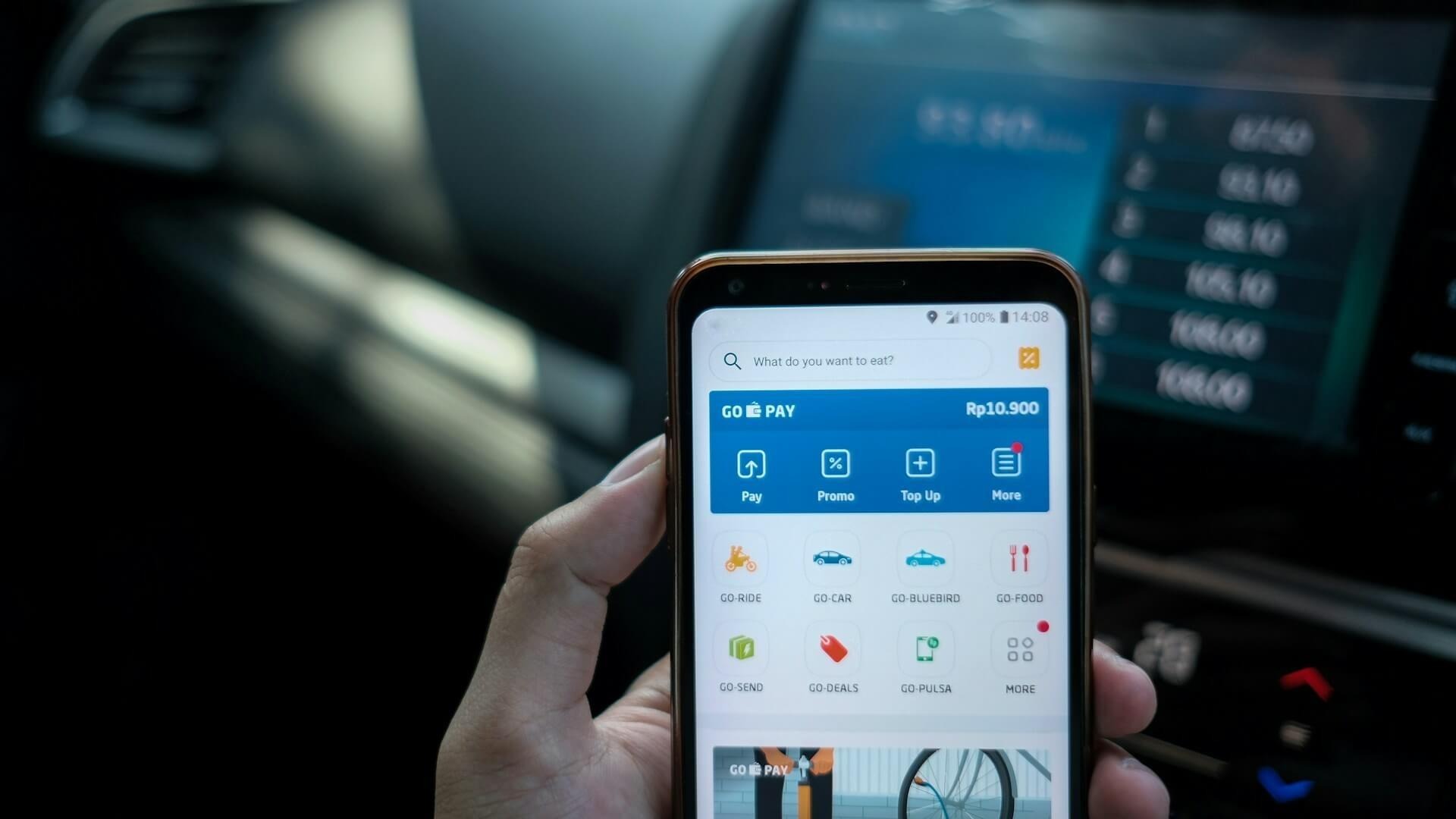
Your Wallet Has Already Moved
Most people probably noticed the payment side first. Tap-to-pay made it possible to leave a bank card in a drawer and use a phone at the checkout instead. Google Wallet then expanded beyond payment cards, bringing tickets, passes and other credentials into the same place.
Boarding passes, loyalty cards and event tickets can all appear on the screen when needed. The physical wallet has become less essential.
Online Accounts Are Moving There Too
The more interesting change happens when the phone becomes proof of who you are.
Passwords have been around for decades, and most people have accumulated far too many of them. Passkeys take a different approach. Instead of asking you to remember another string of characters, a supported service can let your Android device confirm your identity using the phone’s screen lock, fingerprint, or face unlock.
Google’s Android documentation explains that passkeys can be stored by a credential provider and used across supported devices. The underlying system uses cryptographic keys rather than sending a conventional password to the service.
For everyday users, the important part is simple: the phone becomes the thing you reach for when a website asks, “Is this really you?”
The Same Phone Can Handle Everyday Spending
This matters because so much of modern life happens through small transactions. You might order lunch, pay for a subscription, buy a game, book a train ticket, or use an online service without ever touching a physical card.
You may be comparing the best online casino welcome bonus Australia, for example, and deal with a service you can research, access, and pay for from a phone. Aussie casinos are part of that mobile-first environment, where the browser, account, and payment method can all sit within the same device.
Google has also been expanding Wallet beyond simple payments, including digital identity and age-verification tools. The phone can store credentials and present only the information a service needs.
Digital IDs Are A Different Kind of Convenience
A payment card is easy to understand. You tap it, and the transaction happens. Identification is more complicated because an ID contains far more information than most situations require.
You may need to prove you are old enough to enter somewhere without revealing your full address or other details printed on a physical document. Digital credential systems can be designed around that idea, allowing a user to approve a specific piece of information rather than handing over the entire document.
Android now supports digital credentials through apps that act as credential holders, including wallet applications. Google’s documentation says users can select which credential to present when a website or app requests one.
That could make age checks and identity checks less clumsy. It also raises a sensible question: who gets to see what?
Convenience Only Works If Security Keeps Up
Putting more of your life on one device has an obvious downside. Lose your phone, and you have not just lost a camera, browser, and messaging device. You may have lost access to cards, tickets, accounts and other credentials as well.
That is why the lock screen matters more than it once did. A strong PIN or biometric lock is no longer just about stopping someone from reading your messages. It can sit between a stranger and a surprisingly large part of your digital life.
Android’s security systems are also doing more work behind the scenes. Passkeys keep private keys on the credential provider rather than sending them to a website, while digital credentials can use encrypted exchanges.
None of this makes a phone impossible to compromise. Security has simply become part of the device’s usefulness.
The Physical Wallet Still Has a Job
It’s easy to look at all this and assume the physical wallet is finished. Not quite.
Digital credentials depend on support from the other side. A shop needs the right payment terminal. An airline needs a compatible pass. A venue needs to accept the digital ticket. A business checking an ID needs a system capable of reading it.
There are also simple practical problems. Batteries die. Screens break. Phones get lost.
For now, keeping a physical card or ID nearby can still make sense, especially when travelling.
One Device, Many Different Roles
This is where Android’s direction becomes more interesting. The phone has already absorbed the jobs of a camera, music player, map, and games machine. Wallet features add another layer, while passkeys turn the device into an authentication tool. Digital IDs push it further.
None of these changes look revolutionary on its own. Together, they alter what people expect from the object in their pocket. A phone is no longer simply something used to access services. Increasingly, it is part of the mechanism that proves a person has the right to access them.
The Next Step May Feel Almost Boring
The most successful technology often disappears into the routine. Nobody gets excited about tapping a phone to pay for coffee anymore. The same may eventually happen with tickets, identity checks, and logins. You will open the relevant service, unlock your phone, approve the request, and carry on.
There may be no obvious moment when the transition happens. Physical cards will remain around for years, just as cash still exists alongside digital payments. But the balance is changing.
Android is steadily turning the phone into a container for the things people once carried separately. Payments were only the beginning. Passkeys, digital credentials, and other forms of mobile authentication are making the device more closely tied to everyday identity.
The result is a phone that does far more than connect you to the internet. It is becoming one of the ways you move through the world.