


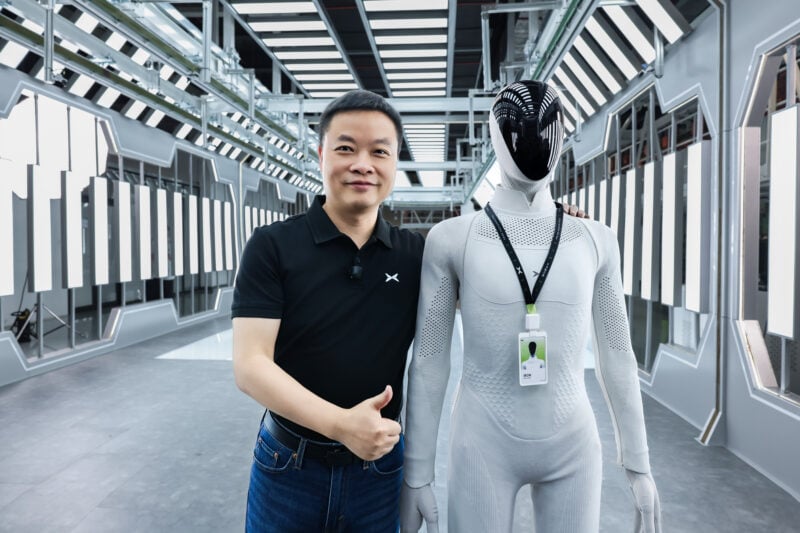
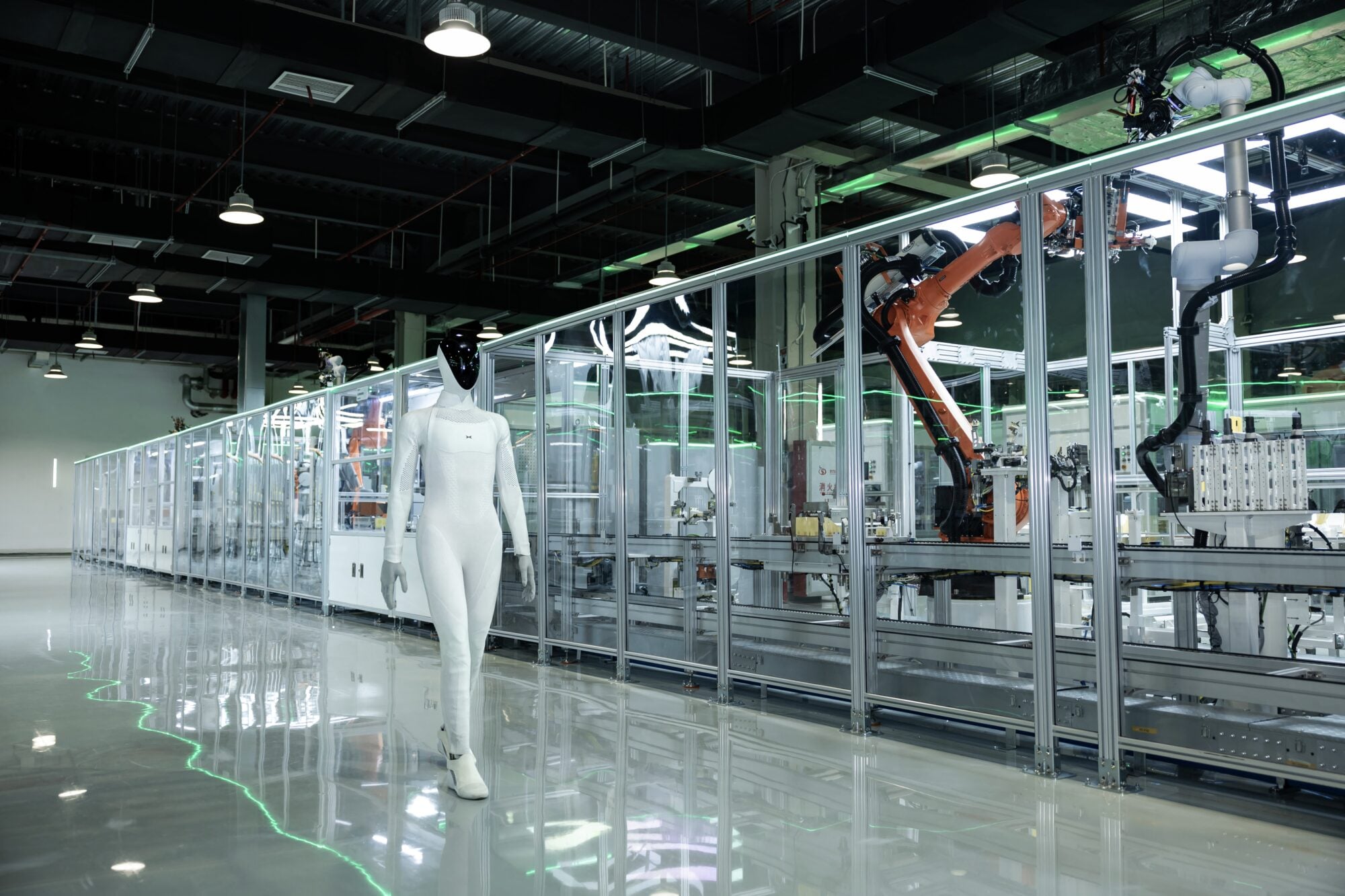
If you are of the age where you remember humanoid robots being a thing of the future, it appears that you've reached that point of time. Over in China, a humanoid robot just walked off its own assembly line, unassisted, unremote-controlled, and under its own power. That's the claim XPENG is making about IRON, and if it holds up, it's a genuine first for the industry.
What's new
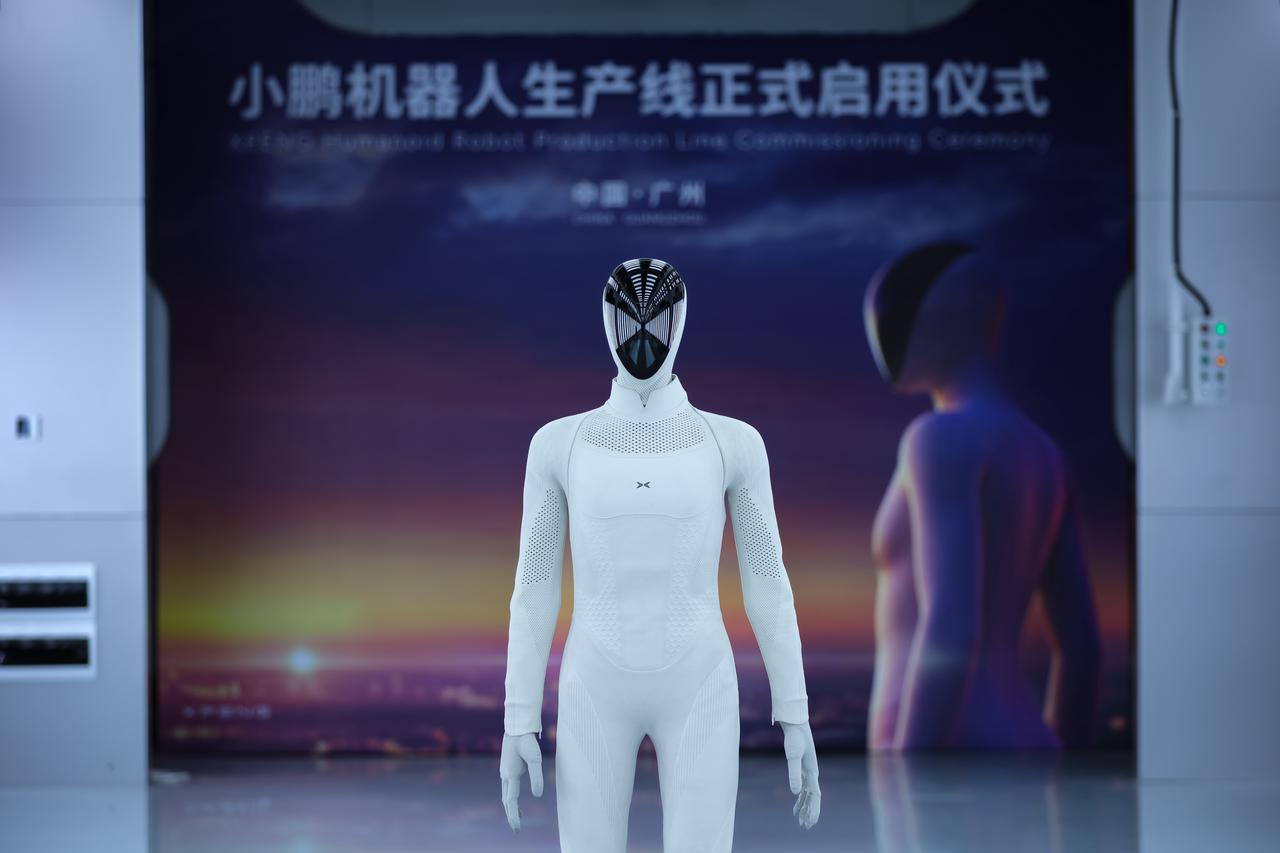
XPENG says its humanoid robot production lines are now fully commissioned, and IRON is the first unit to roll off one autonomously. The company is calling it the world's first high-level, general-purpose humanoid robot manufactured on a production line and capable of walking off that line without a human handler or teleoperator involved. Mass production is officially underway.
Why it matters
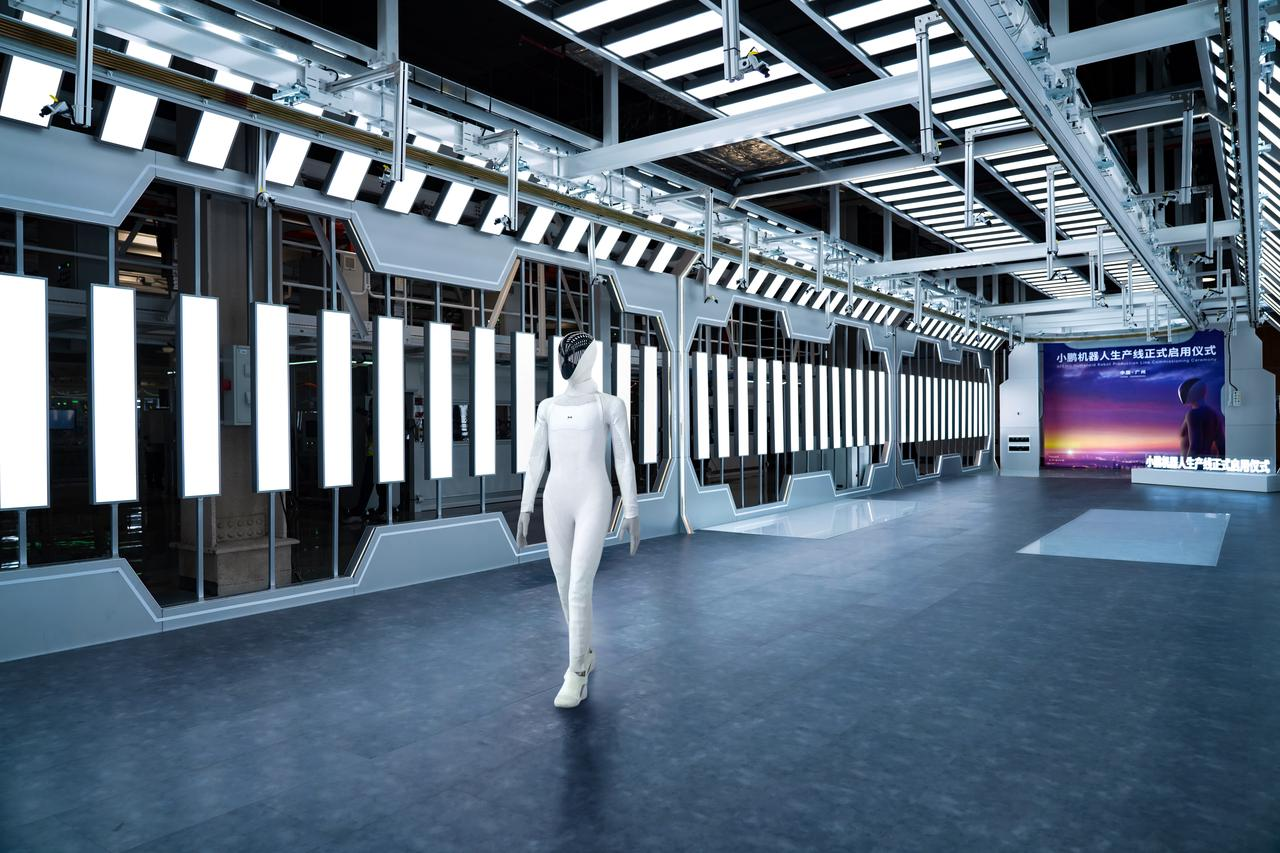
Humanoid robots have mostly lived in prototype labs and controlled demos, where a human somewhere is quietly steering things. XPENG is arguing IRON has crossed into actual manufacturing, the same shift its EVs went through years ago. If key manufacturing steps are genuinely over 80% automated, as XPENG claims, that's the difference between a robot you can show off and a robot you can actually build at scale.
Key details

IRON runs on three of XPENG's own Turing AI chips, delivering up to 2,250 TOPS of onboard compute. That's enough to run XPENG's physical-world foundation model directly on the robot instead of leaning on a remote server, which XPENG says cuts latency and keeps data local. The robot has 76 degrees of freedom across its body and 21 in each hand, and XPENG is leaning hard on its EV manufacturing playbook here: more than 85% of IRON's supply chain reportedly overlaps with its car business, and the production line was built to automotive-grade quality standards.
On the software side, IRON's multi-modal LLM can recognize and remember up to 12 faces long-term, switch fluidly between Chinese and English, and handle full obstacle avoidance and autonomous charging, including plugging and unplugging its own connector.
XPENG is also positioning IRON as a direct answer to Tesla Optimus, framing both companies as applying automotive manufacturing muscle to humanoid robots.
Takeaway
IRON is staying in-house for now, with deployment starting in XPENG's own showrooms and campuses before a wider rollout later this year. External customer deliveries aren't planned until 2027, so this is a manufacturing milestone more than a product launch.
Still, it's yet another sign that the future promised decades ago will soon be upon us. Whether we are are ready or not.