




No More Rushed Endings: “11.22.63” Takes Its Time
Many thriller fans know too well the disappointment of a rushed conclusion that undoes all the suspense built up over chapters or episodes. Even Stephen King's biggest supporters have often joked about his “uneven endings.” According to Biba Magazine, there's a refreshing difference with “11.22.63,” a miniseries adaptation of King's 2011 bestseller, now on Netflix. This sci-fi drama refuses to simply follow the usual path, instead giving viewers a story that resolves fully and emotionally—a mix of love story and time travel that goes the distance, leaving audiences satisfied rather than shortchanged.
A High School Teacher, Time Travel, and History on the Line
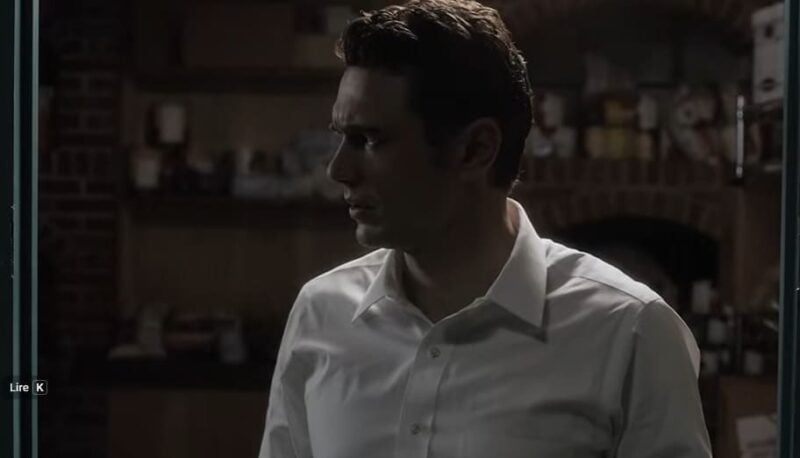
“11.22.63” centers on Jake, a high school teacher thrust back to the 1960s with a wild mission: to stop John F. Kennedy's assassination. Along the way, he falls for Sadie, a brilliant woman whose fate becomes entwined with his own. Per Biba Magazine, the eight-episode miniseries launched on Netflix in January 2026, quickly climbing into the streaming platform's top 10. As reported by Tom's Guide, the show earned 83% positive reviews on Rotten Tomatoes, driven by its blend of political thriller, science fiction, and a heartfelt romance.
The Finale: A More Satisfying, Emotional Payoff
Stephen King himself has often been disappointed by adaptations that warp or flatten his characters. For instance, as cited in SciFiNow, King famously criticized Stanley Kubrick's take on Wendy in “The Shining,” calling her “one of the most misogynistic characters ever put on film” and reducing her role to “screaming and being stupid.” In contrast, “11.22.63” zooms in on Jake's pivotal decision and Sadie's fate. The series streamlines the novel's many detours, providing a clearer and more emotional ending—while still preserving King's hallmark note of melancholy.
Sadie’s Story: Not Just a Love Interest
What makes the ending resonate, especially with modern viewers, is its take on Sadie. In an interview with Interview magazine, actress Sarah Gadon said showrunner Bridget Carpenter wanted Sadie portrayed as less of a “sacrificial figure” and more as a woman awakening to her own desires and boundaries. As a result, the final episodes don't simply close out the JFK plot. They establish Sadie as a heroine in her own right—something that speaks to today's audiences, especially women.
On the hunt for stories that matter to readers, I've spent the past four years writing about pop culture and lifestyle, always ready to spotlight the shows that hit home. If there's a great series on Netflix and a compelling romance to root for, you’ll find me watching—and reporting.


This show was released ten years ago.