

Xiaomi has launched the Xiaomi 18 Pro and Xiaomi 18 Pro Max outside China. They're the first of its phones with a second screen on the back to go on sale internationally. Both run Qualcomm's newest Snapdragon 8 Elite Gen 6 chips and have two 200MP rear cameras, but as of November 17, 2026, Xiaomi has no plans to sell either phone in the US.
The global launch took place at an event in Paris on November 17, following the series' China debut in late September. Xiaomi has the regional details on its Xiaomi 18 Pro series launch page.
The rear screen first appeared last year on the Xiaomi 17 Pro and 17 Pro Max, which only went on sale in mainland China. Taking the idea worldwide means Xiaomi is now selling it directly against Samsung, Google and Apple.
The rear screen gets its global debut
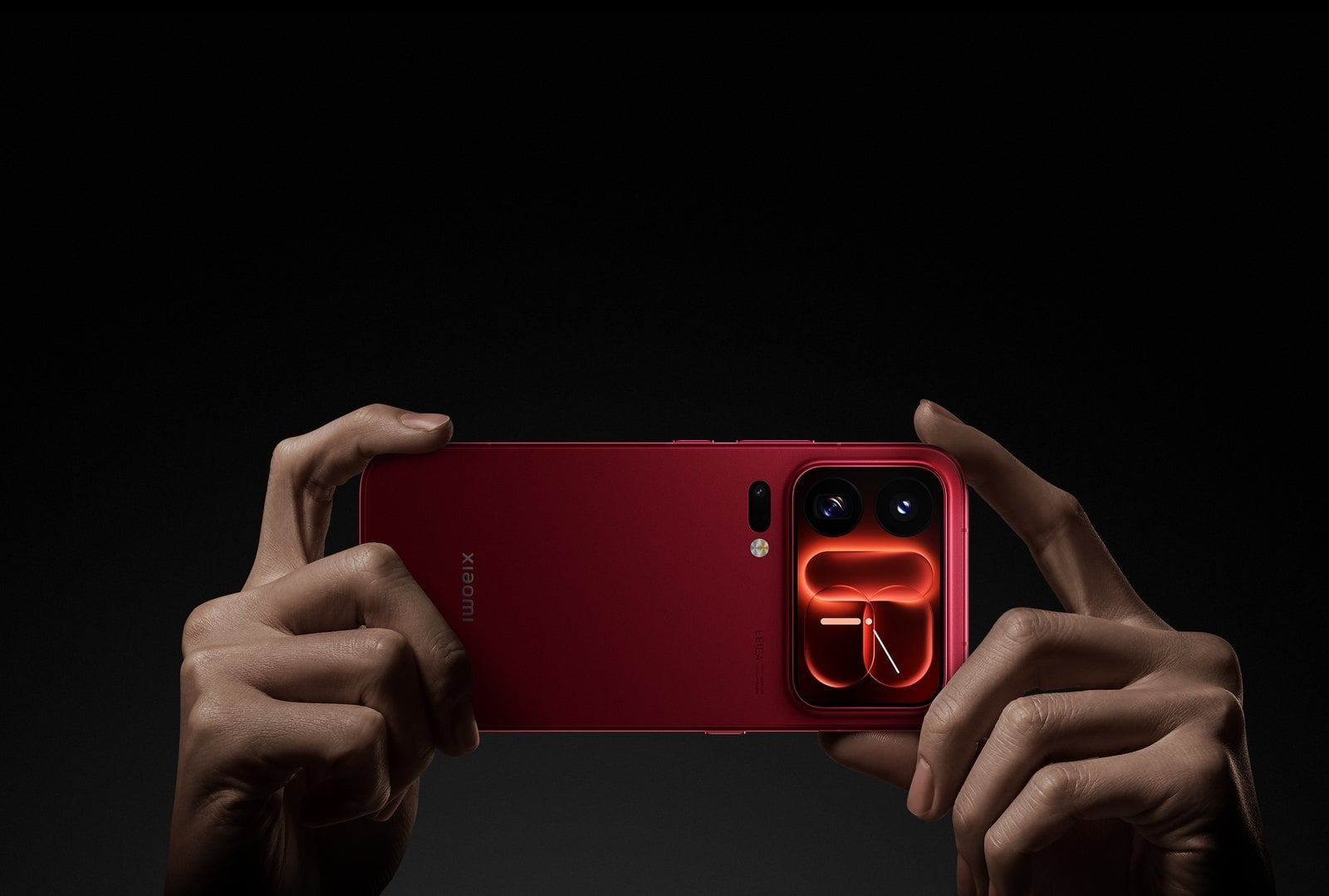
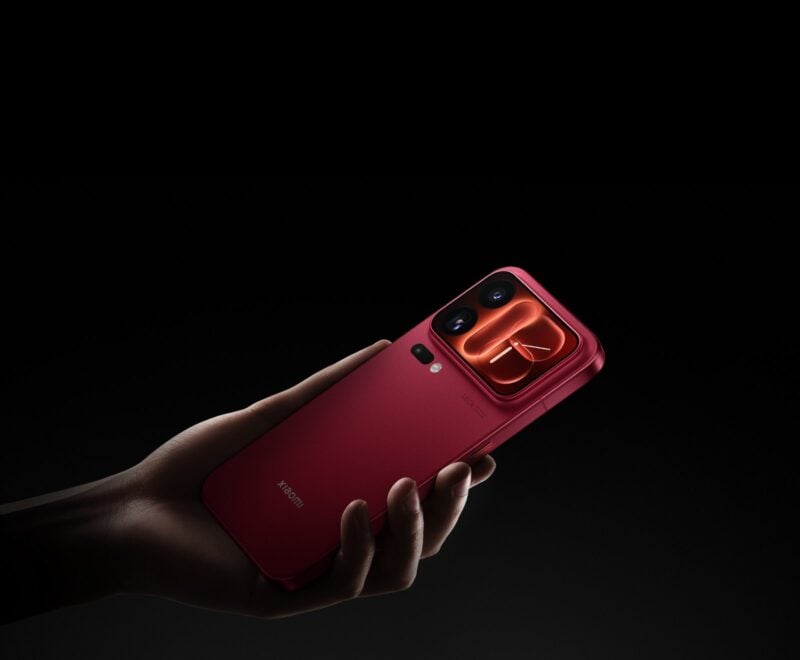
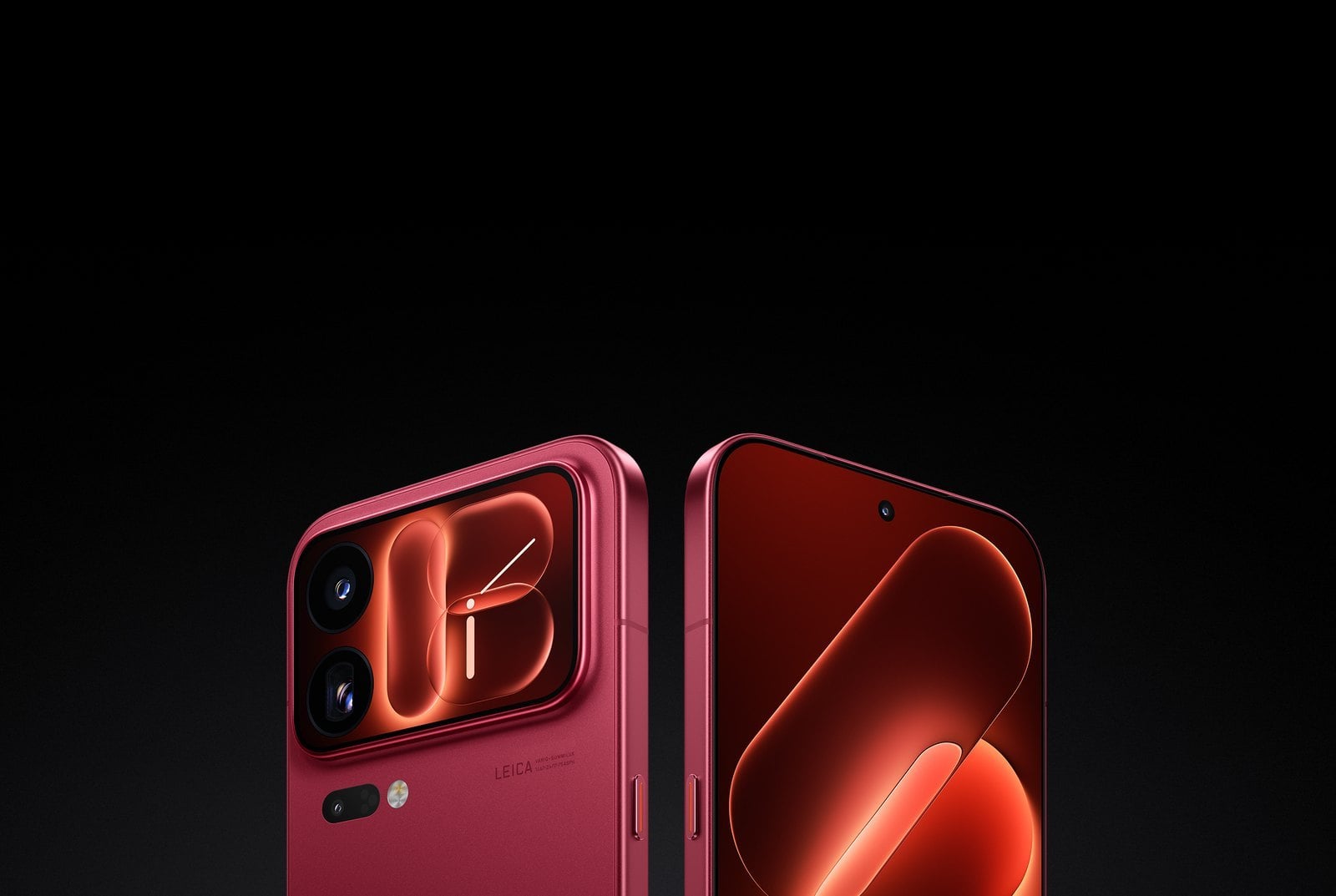
Both phones have a 2.9-inch OLED panel built into the raised camera area on the back. It sits next to the main and telephoto lenses, which poke through large circular cutouts. Unlike a cover screen on a flip phone, it isn't there so you can avoid unfolding the device. It adds a second way to use a phone that's already a slab.
Here's what the rear display can do:
- Act as a viewfinder, so you can shoot selfies and video of yourself with the 200MP rear cameras instead of the front camera
- Control music and other media playback
- Show watch-style faces, including the time, plus widgets such as a desk calendar, upcoming events and countdowns
- Show your notifications with a swipe down
- Run small apps, including ones you build yourself with generative AI from the settings menu
The camera area is flat across the back, so the phones don't rock on a table the way many flagships with an off-center camera bump do.
The front screens on both models also support a new privacy display mode, Xiaomi's version of the feature Samsung introduced on the Galaxy S26 Ultra. Early testing suggests it isn't as strong as Samsung's. In its review, Android Headlines found that you could still make out on-screen content at an angle with full-screen privacy turned on, and that the feature only works in some apps.
The same review lists a few drawbacks for buyers to know about: there's no eSIM support, the box doesn't include a charger, the fastest wired charging needs Xiaomi's own charger, and Xiaomi promises four years of OS updates, which is fewer than Samsung, Google or OPPO offer.
Specs at a glance
The two phones differ mainly in size, chip and battery. The 18 Pro is the more compact model. The Pro Max gets the faster Snapdragon 8 Elite Extreme Gen 6, currently the quickest chip available in an Android phone.
| Xiaomi 18 Pro | Xiaomi 18 Pro Max | |
|---|---|---|
| Main display | 6.4-inch 120Hz AMOLED | 6.9-inch 120Hz LTPO AMOLED (2624 x 1208) |
| Rear display | 2.9-inch OLED | 2.9-inch OLED |
| Chipset | Snapdragon 8 Elite Gen 6 | Snapdragon 8 Elite Extreme Gen 6 |
| RAM / storage | 12GB / 256GB or 512GB | 12GB / 256GB or 512GB; 16GB / 1TB |
| Battery | 6,000mAh | 7,050mAh |
| Wired charging | 90W | 100W |
| Rear cameras | 200MP main, 200MP periscope telephoto, 50MP ultra-wide | 200MP main, 200MP 3.2x periscope telephoto, 50MP ultra-wide |
The Pro Max weighs 229g and measures 163.4 x 77.6 x 8.4mm. It has an aluminum frame, a glass back, an IP68 rating, 50W wireless charging and a 50MP front camera. Its main screen uses Gorilla Glass Victus 2, peaks at 4,000 nits and uses 2,160Hz PWM dimming, which matters for people who get eye strain from screen flicker. Both phones ship with HyperOS 4, built on Android 17.
As in Xiaomi's recent flagships, the cameras were developed with Leica and come with Leica-inspired photo styles. The telephoto sensor can focus very close, so it also works for macro shots. The ultra-wide camera is the weak spot: it's only 17mm equivalent and uses a much smaller sensor than the other two.
Compared with last year's China-only 17 Pro Max, the camera upgrade is the biggest change. That phone had three 50MP rear cameras and Snapdragon 8 Elite Gen 5. The 2.9-inch rear panel is unchanged.
There's also a new key on the left side, similar to Apple's Action Button, which Xiaomi calls the AI Button. For now it does very little. It can switch between ring and silent, turn on the privacy display, open voice notes or launch AI Translate, and you can't assign it to other tasks such as the flashlight.
Price and availability
Xiaomi's UK pricing starts at £1,199 for the Xiaomi 18 Pro with 12GB of RAM and 256GB of storage, and £1,399 for the 512GB model. In Australia, the base 18 Pro costs AU$1,799.
The Xiaomi 18 Pro Max starts at £1,399 (AU$1,999) for 12GB and 256GB, and costs £1,599 (AU$2,299) for 12GB and 512GB. UK pricing for the 16GB and 1TB version hadn't been published at the time of writing.
Both phones come in Black, White, Velvet Red and Cosmic Blue. They'll be sold in most regions worldwide, but not in the US, which Xiaomi has skipped with its flagship phones for years.
Americans who want one will have to import it. That means no warranty support in the US and possibly incomplete carrier band support. Without eSIM, the phone also needs a physical SIM. Android Headlines tested its review unit on Google Fi, which runs on T-Mobile's network.
Xiaomi hasn't announced when sales open in each country. Its regional stores are running launch promotions, and Australia is offering bonus REDMI Headphones Neo for buyers who register early. The next thing to watch is whether the rear display wins over buyers in Europe and Asia, and whether rivals copy it as quickly as Xiaomi followed Samsung's privacy screen.