

Services raising subscription prices has become so routine that most of us barely react to it anymore. What’s far less common, and almost unheard of, is seeing a major platform reverse course and make its service cheaper.
Spotify is doing just that after the company initially pushed prices higher in markets like the US. Yet again, they have slashed subscription prices in India by roughly 30%, with new users able to pay as little as ₹99 (≈ $1.03) for their first three months.
Spotify is cutting prices in India after raising them elsewhere
Spotify raised prices in several wealthier markets in January. US subscribers saw the Standard plan go from $12 to $13 a month, while parts of Europe already got similar £1 (≈ $1) hikes, and reports suggest more markets like Ireland could follow. Spotify’s public explanation was that higher prices help improve the service and support artists.

They've now reversed the decision in India and cut prices instead. The Standard individual plan in India dropped from ₹199 (≈ $2.10) to ₹139 (≈ $1.45) per month. It cancels out the earlier increase Indian users had already absorbed. For brand-new subscribers, Spotify is offering an introductory ₹99 (≈ $1.03) per month for the first three months.
The Student plan is also dropping to ₹69 (≈ $0.72), while they've removed the Lite plan. It used to be the cheaper option that offered ad-free listening but limited audio quality to 160kbps and blocked offline downloads. The streaming service did not touch its Platinum tier, the higher-end plan with Hi-Fi audio and multi-account support.

In the US, Spotify’s pricing remains $13 monthly for Premium Individual and $7 for Premium Student (includes Hulu for eligible students. Premium Duo costs $19 monthly for two people, while Premium Family costs $22 monthly for up to six accounts with child accounts included.
Spotify is making child accounts free in six countries
In other parts of the world, Spotify has removed a major paywall for families. Before now, if you as a parent wanted to create a child-safe Spotify account for kids under 13 with parental controls, filtered music, and a separate profile, you had to pay for Spotify Premium Family.
Spotify has now opened that feature to the free tier in six countries, including Argentina, Colombia, Denmark, Italy, New Zealand, and Sweden. You can now create child accounts without paying for Premium.
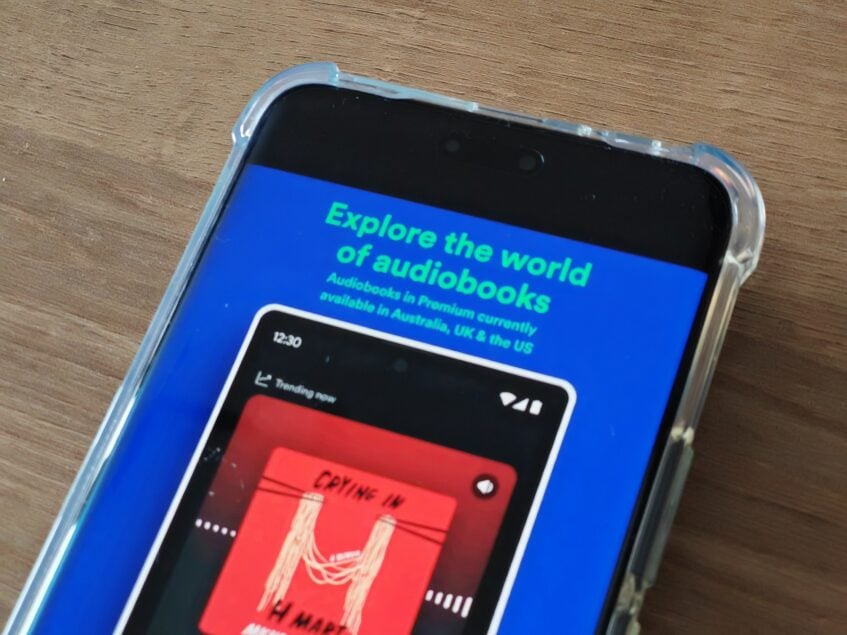
Your child gets their own account with their own playlists, recommendations, and Spotify Wrapped, while parents can block explicit music, restrict certain artists, and keep features like video content, messaging, Canvas visuals, and Jam turned off.
The catch is that kids on these free managed accounts will still hear ads as the streaming service earns money through ads, collects listening data, builds personalized recommendations, and creates long-term user habits from a younger age.
To check whether Spotify has enabled it for your account, open Spotify on your phone, tap your profile picture in the top corner. Then go into Settings and privacy. Scroll until you see Parental controls.
Look for Premium Family. If you see Add a listener aged under 13 or Create managed account, tap it. Set your PIN. Then enter the child’s name and birth date. Choose your preferred content restrictions.