


“Bigger is better” is a motto guiding most tablet releases in recent years, especially as brands lean into productivity and multitasking. Companies are gravitating toward larger displays reaching up to 13 inches.
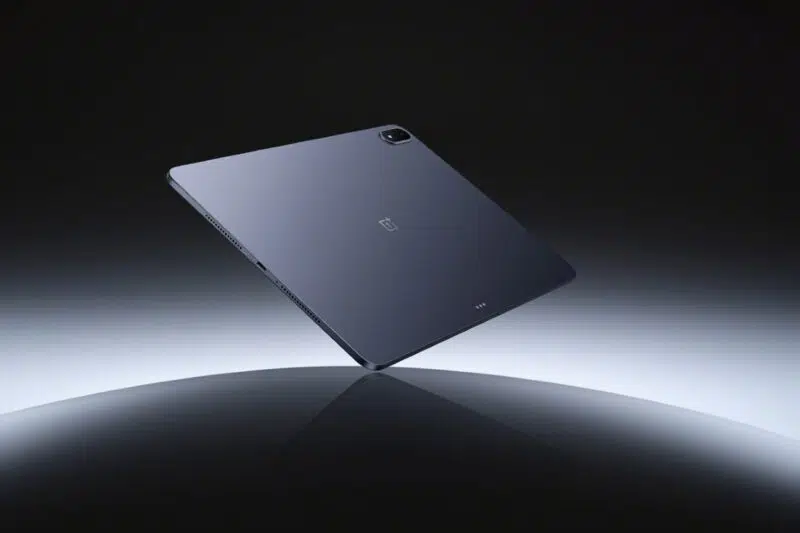
Case in point, OnePlus’ upcoming Pad 3 Pro, which is rumored to feature a massive 13.2-inch display. Smaller tablets are also making a comeback as another 8-inch tablet is on the way.
Not one but two tablets are on the way
Earlier reports pointed toward OnePlus working on a single 12-inch tablet powered by the Snapdragon 8 Gen 5, which many assumed would be the OnePlus Pad 4 launching around June.
Turns out the predictions were wrong as newer leaks now suggest OnePlus is expanding in two directions at once. The upcoming ambitious tablet is in fact the 13.2-inch Pad 3 Pro, and another smaller 8.8-inch tablet that is yet to be named. The leak comes from Digital Chat Station on Chinese social media Weibo.
OnePlus is expected to launch the big tablet first, which will have 16GB of RAM with 512GB of UFS 4.1 storage, then follow up with the smaller one. There's mention of a “custom” screen on the larger device, which suggests OnePlus may be tuning the display for better quality rather than using a standard panel.
Manufacturers like BOE, or TCL make displays with baseline specs around the resolution, brightness range, refresh rate, and more. Brands may want to adjust color accuracy, contrast, and more so the display looks a certain way out of the box.

The smaller tablet uses soft-light technology, pointing to its design being easy on the eyes, especially over long periods. It could reduce glare and harsh reflections or tune brightness and contrast so whites aren’t too harsh and dark areas don’t feel overly intense.
Pad 3 remains a glorious monster tablet
Last year’s OnePlus Pad 3 was already very close to what this new leak is describing, just without the Pro branding. It came with the same 13.2-inch display. It had a 3.4K resolution with 144Hz refresh rate and up to 900 nits brightness.
It uses an IPS LCD panel instead of OLED, but still supports Dolby Vision, which is unusual. Normally, Dolby Vision is meant to show deep blacks and bright highlights simultaneously to make scenes realistic.
OLED screens can do it easily because they turn off individual pixels completely. So black is always truly black, and the contrast is high.

An IPS LCD screen can’t do that. It has a backlight that’s always on, so even when something is supposed to be black, it looks more like dark grey.
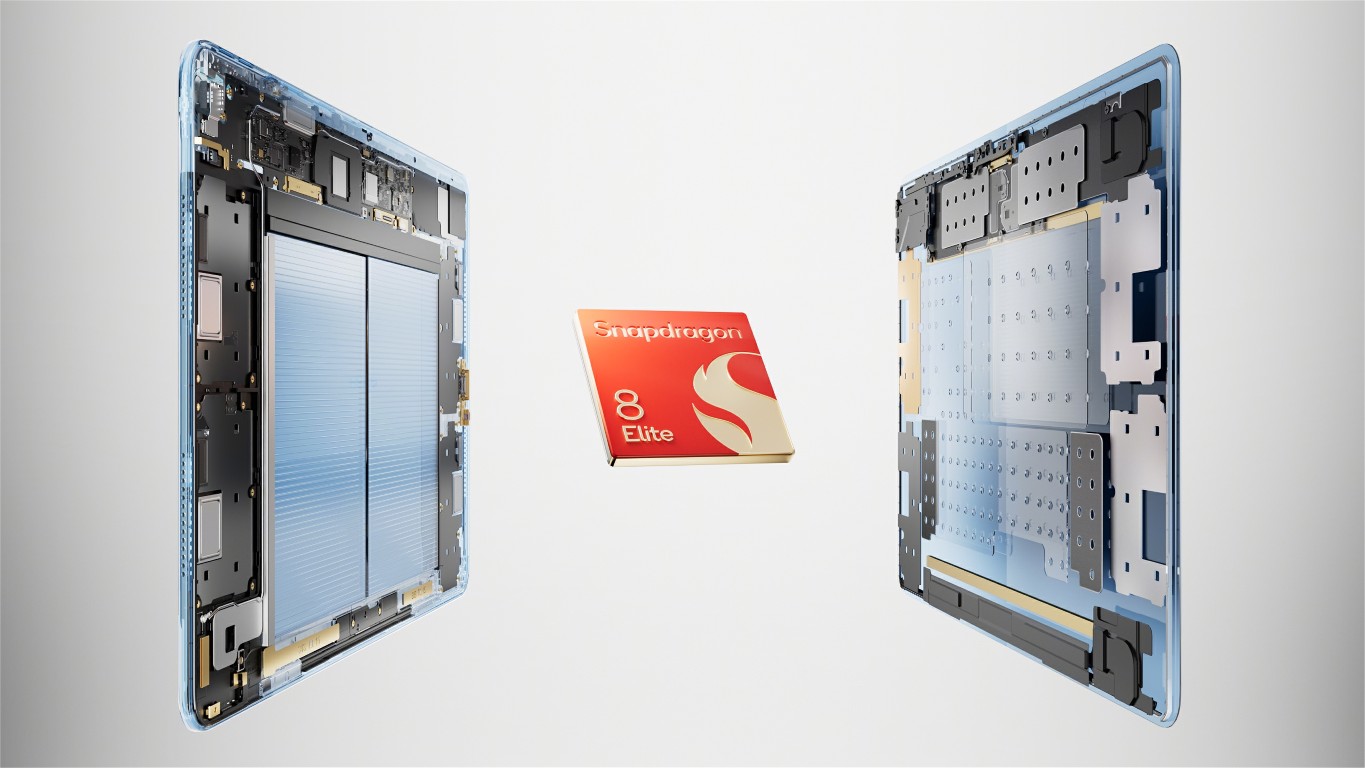
That aside, the tablet uses the Snapdragon 8 Elite, paired with either 12GB or 16GB of RAM and 256GB or 512GB of storage. The battery is 12,140mAh with 80W fast charging support and a hefty 675g weight. It also has eight speakers, along with stylus support with ColorOS 15 based on Android 15 running as the software. Price is $700 for the base model.