


Phones that focus on blockchain features have attracted attention, mostly because they promise stronger privacy, secure on-device wallets, and new ways to manage digital identity. Yet for most Android users, the real question is simple. Can these devices replace the phone you rely on every day, or are they better understood as niche tools for those already exploring Web3? Android phones still dominate because they deliver what mainstream users expect. People value reliable apps, strong cameras, smooth performance, and access to familiar services. A blockchain-focused device enters that world with a very different set of priorities.
What Exactly Is a Crypto Smartphone?
A crypto smartphone is built around blockchain features such as secure private key storage and support for decentralised apps. The goal is to give users more control over their identities, privacy, and digital asset management. These ideas matter to a specific audience, but they are not the primary factors most people consider when choosing a phone. This type of device is not trying to reinvent mobile hardware. Instead, it is reshaping how your phone interacts with online services.
Most Blockchain Phones Still Rely on Android
Almost all of these devices run on modified versions of Android. The familiar interface remains in place, although some Google services may be restricted or replaced. This shows how deeply Android is embedded in global smartphone use and how even experimental devices depend on it for core functionality. For Android fans, this mix of familiarity and limitation can feel unusual. You gain new privacy features but may lose some of the polish that comes with major Android brands.
How Blockchain Focused Phones Differ From Standard Android Devices
The main difference is the emphasis on privacy and secure asset storage rather than photography, entertainment, or productivity. These devices often include custom app stores that focus on decentralised apps. A standard Android phone focuses on broad usability, integration with Google tools, and easy access to mainstream apps.
App Compatibility Remains a Challenge
Blockchain-centric phones sometimes promote alternative app stores, but most users depend on Google Play, Google Wallet, and banking apps that require Google frameworks. Without steady access to these services, the experience can feel limited compared with the one Android users already enjoy. This is a significant reason these devices remain interesting but impractical for daily use.
Who These Devices Are Made For
These phones appeal mainly to a narrow audience that already engages with blockchain technology. This includes developers, privacy enthusiasts, and investors who value self-custody. Manufacturers often present them as secondary devices rather than complete replacements for your primary smartphone. Adoption remains niche because most people choose convenience and familiarity over decentralised tools.
Are They More Secure
In the proper context, yes. Secure enclaves for private keys can reduce risk for those who manage digital assets. However, these devices also introduce new responsibilities, such as managing recovery phrases and avoiding vulnerabilities within decentralised apps. Many users remain cautious due to regulation, market volatility, and the learning curve of decentralised systems.
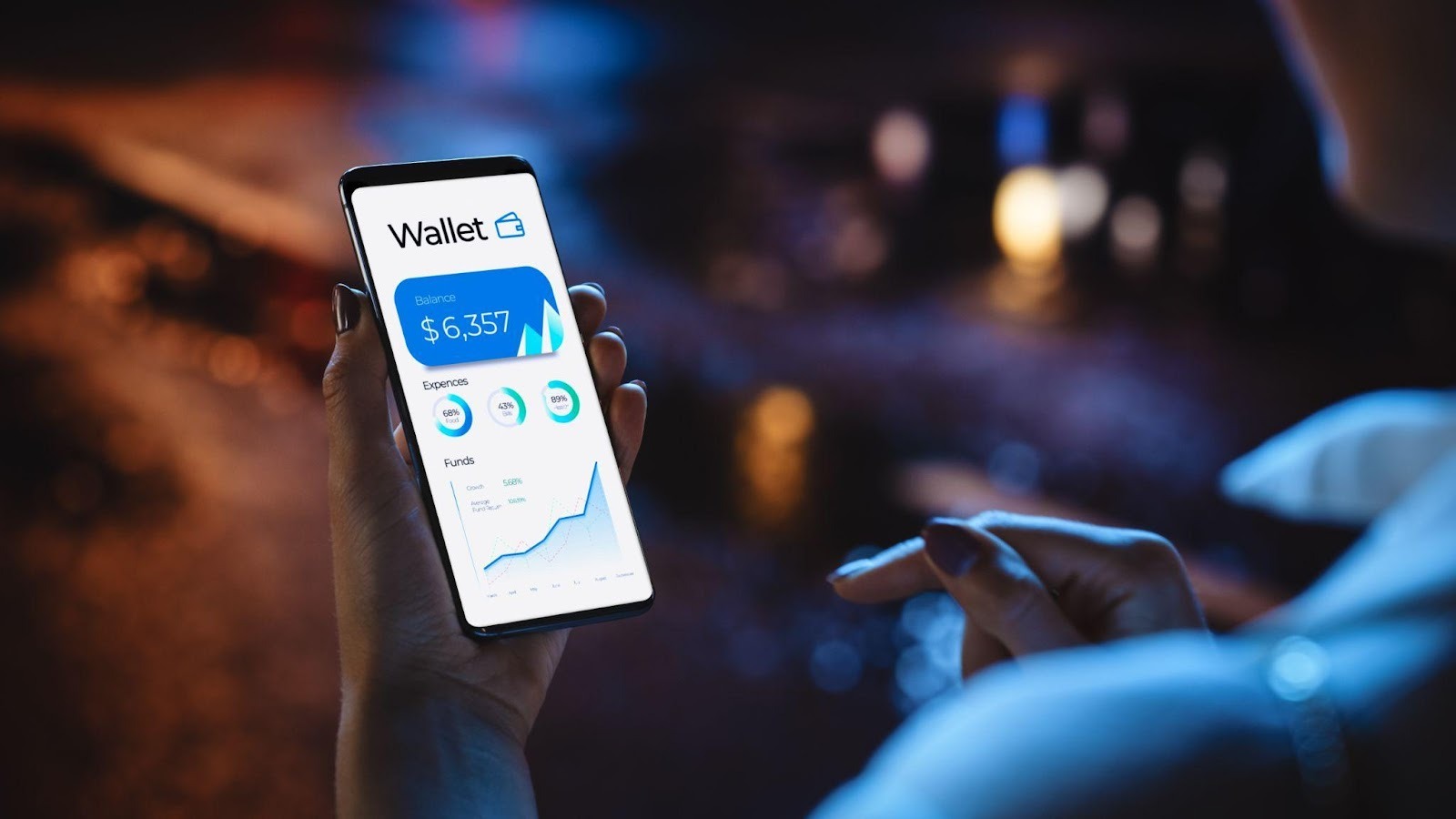
This is also where a crypto trading platform becomes relevant. Users who already manage assets through a trading platform sometimes appreciate a phone that provides an extra layer of security when viewing balances or approving transactions.
Can You Use One As Your Main Phone
They can function as everyday devices, but the experience is not always as complete as a traditional Android phone. Camera quality, app support, long-term updates, and seamless access to Google services are often areas where they fall behind. For many people, these trade-offs outweigh the benefits of added privacy or on-device asset tools.
Beyond those core differences, there are practical, day-to-day considerations that highlight the gap even more clearly. Navigation apps may work, but losing full compatibility with location-based services or payment systems can be frustrating. Some Web3-focused devices also lack the camera processing power, AI enhancements, or video stabilization features found in leading Android flagships, which can matter when capturing social content or work footage. Gaming performance can vary as well, especially if the manufacturer prioritised security hardware over graphical power. Battery life may vary, as specific background security processes can place additional demand on the device.
All of these factors shape how comfortable the phone feels in regular use. While a decentralised smartphone can certainly replace an Android device for a tiny group of users, most people will notice compromises the moment they try to use it as their primary device.
Why Android Remains the Dominant Choice
Android offers a wide range of devices, reliable carrier support, competitive pricing, and deep app availability. Blockchain-focused phones enter that world with a narrow feature set that appeals mainly to enthusiasts. Their adoption is slowed by consumer scepticism, regulation, smaller developer communities, and the reality that most people value convenience over decentralisation.
Where These Devices Fit Today
At this stage, blockchain-focused phones operate more like specialised additions to the Android ecosystem rather than direct competitors. They extend Android with features aimed at a small group rather than challenging the broad appeal of mainstream phones. Their strongest qualities revolve around privacy and digital ownership, but these areas are not yet priorities for most users.
These devices may evolve as privacy expectations shift or as decentralised identity becomes easier to use. If manufacturers improve hardware quality, expand app support, and streamline onboarding, the audience could grow. However, they must also demonstrate clear advantages over standard Android flagships rather than relying on features that only appeal to a small part of the tech community. Broader adoption likely depends on smoother integration with familiar apps and more consistent update policies that match what Android users already expect.
Final Thoughts
Phones built for decentralised tools introduce fresh ideas about identity and privacy. However, they do not yet match the balanced performance, versatile apps, or everyday convenience of mainstream Android phones. These devices are most valuable for users already invested in Web3. For everyone else, Android remains the more complete and practical option.