


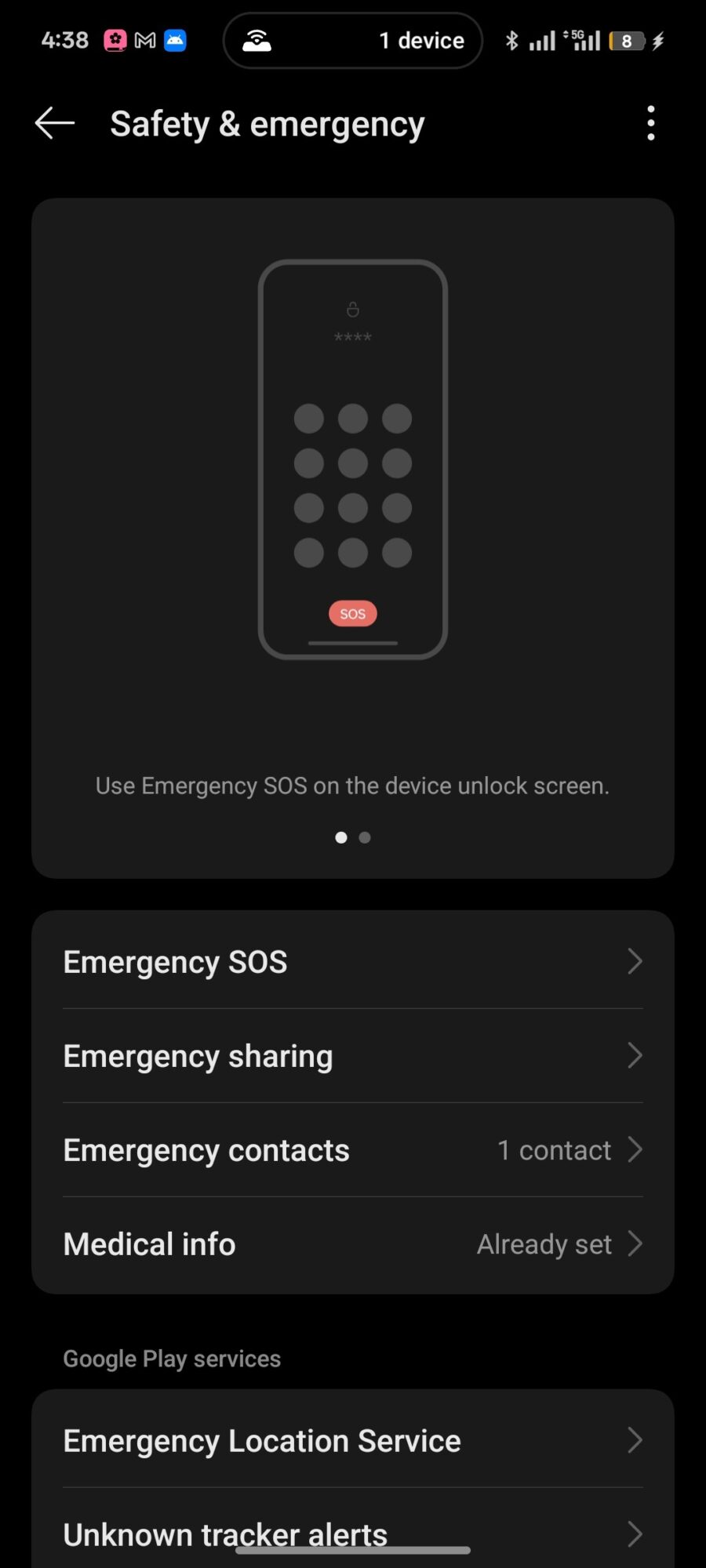
It is worth visiting the Emergency SOS section in your phone's settings every now and then. Already, you have the ability to contact first responders and your favourite contact. Google is now adding a new option that lets you share a live video feed with services while you’re on the call.
Dispatchers can see what’s happening in real time and send the right help faster. The feature might roll out to other Android devices later. For now, it’s another powerful addition to the Pixel’s growing list of safety tools.
Now, help can see you clearly
As discovered by Android Authority, live video sharing is part of the November 2025 Google Play Services update. It's currently limited to Pixel devices, but there is a broader release plan that should get it to more phones soon.
The feature is an expansion of the existing video recording tool embedded in the Emergency SOS menu in settings. It enables you to make an emergency call to a local emergency number. The responder may send a secure request through Google’s safety system asking to access your phone’s camera.
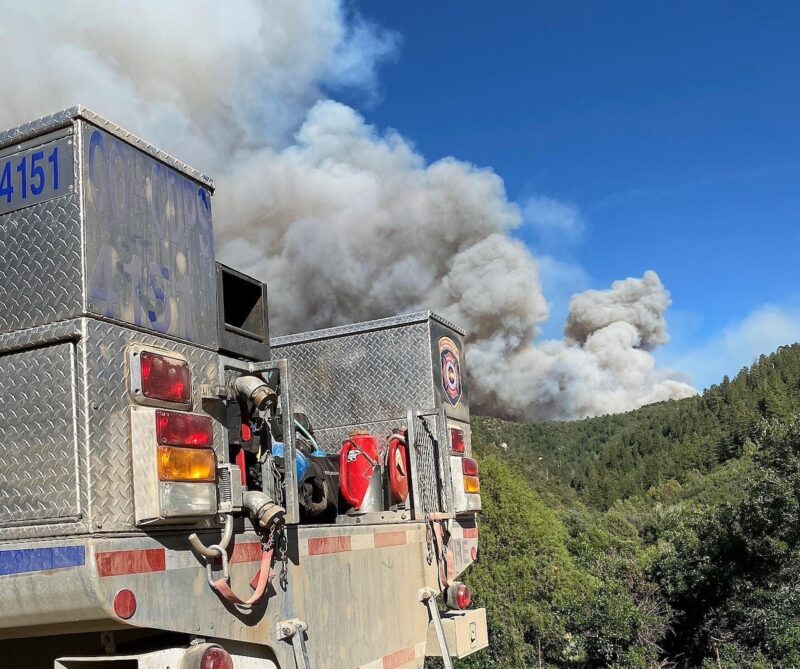
You will get a clear on-screen prompt asking if you want to share live video. Once you accept, your phone begins securely streaming video to the dispatcher in real time. They'll see what your phone’s camera captures, and get a better sense of what's happened around you.
Google says the stream will not be stored on your device. But local emergency services may save a copy under their regulations, much like recorded emergency audio calls. So, it’s definitely not something you want your kids testing with prank-calls.

It’s not far-fetched to imagine that any false emergency call could now come with a literal record of your surroundings as evidence. You may be fined or face worse punishments, depending on your region.
Your safety is in the palm of your hands
The new feature is highly useful. Paired with satellite communication, the use cases could stretch even wider and cover situations where you have no signal and way to get help fast.
Satellite communication itself is the use of orbiting satellites to transmit data, voice, or video between two or more points on Earth instead of cell towers or fiber networks.
Several big names are leading the technology, with SpaceX’s Starlink being the most well-known. They already have a vast LEO satellite constellation offering broadband internet access almost anywhere on Earth. They're now partnering with T-Mobile and other wireless carriers to move beyond text to both voice and video calling.

Even without these capabilities ready globally, non-Pixel phones still have a solid foundation baked into Android. When you press the Power button five times in quick succession, it triggers the Emergency SOS shortcut and prepares your device to contact help.
Depending on your phone’s brand and region, it automatically dials the local emergency number after a short countdown. Go to Settings > Safety & emergency > Emergency SOS to access these features.

