


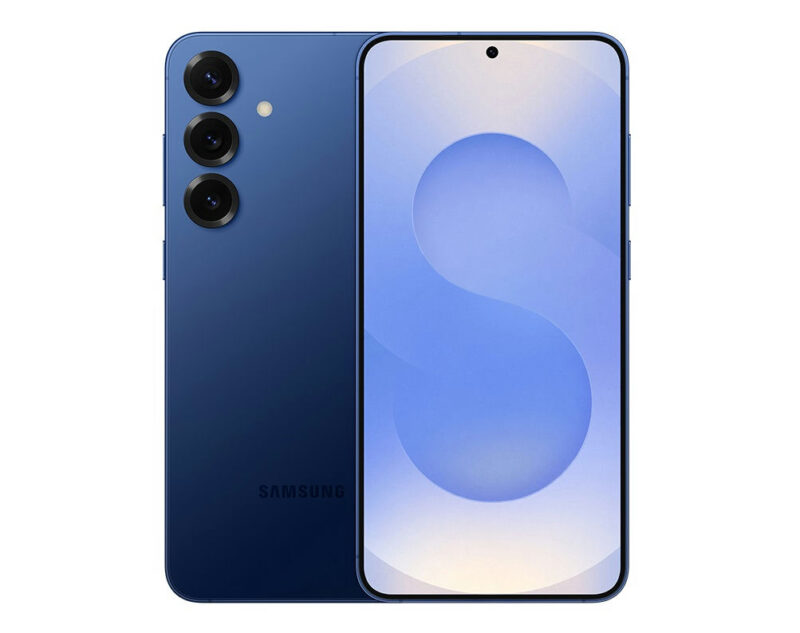
Samsung Galaxy phones and watches may soon detect Alzheimer's disease before symptoms appear. The tech giant is deploying artificial intelligence and digital biomarkers through pilot programs across Spain and global research partnerships. Everyday devices are transforming into powerful cognitive health monitors, capable of identifying subtle changes in behavior patterns that could signal early-stage dementia. This breakthrough leverages existing smartphone and smartwatch technology to provide proactive screening outside traditional clinical settings.
Revolutionary Early Detection Through Digital Biomarkers
Samsung's Galaxy devices continuously track sleep quality, movement patterns, speech characteristics, and typing speed through built-in sensors. These digital biomarkers reveal cognitive changes months before traditional medical evaluations would detect them.
The technology operates passively in the background. Users don't need special apps or tests. Their normal device usage generates the data needed for analysis.
On-device AI processing ensures privacy while delivering real-time insights about cognitive health patterns.
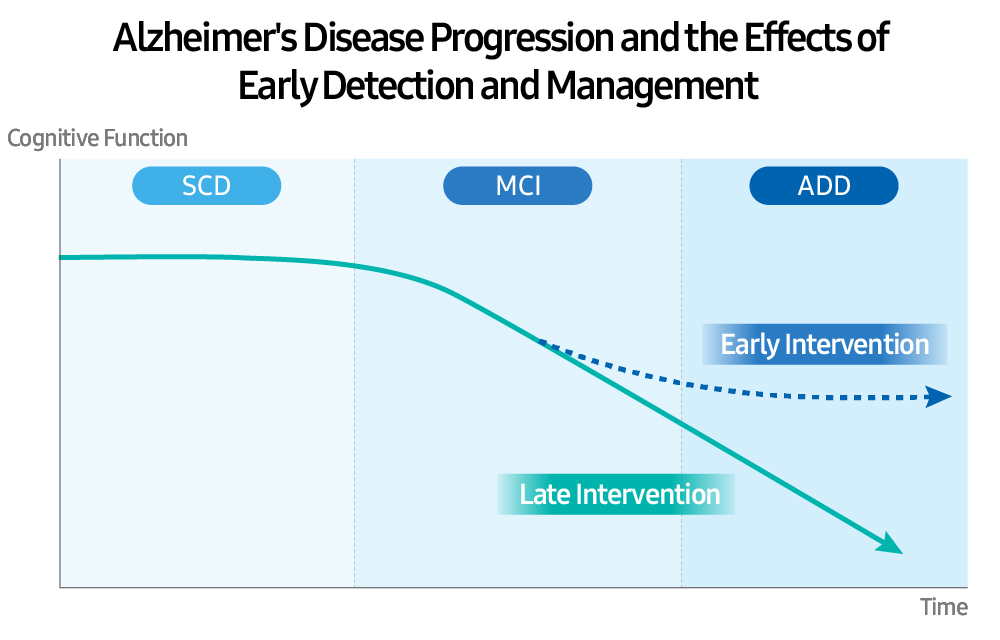
AI Models Decode Complex Behavioral Patterns
Advanced machine learning algorithms analyze keyboard dynamics, voice cues, mobility metrics, and daily activity levels to create individualized risk profiles. The system fuses multiple data streams, identifying emerging risk signals through sophisticated pattern recognition.
This constant, non-invasive screening detects subtle changes over weeks or months that human observation might miss. The technology complements traditional medical assessments rather than replacing them, offering a new layer of early warning capability.
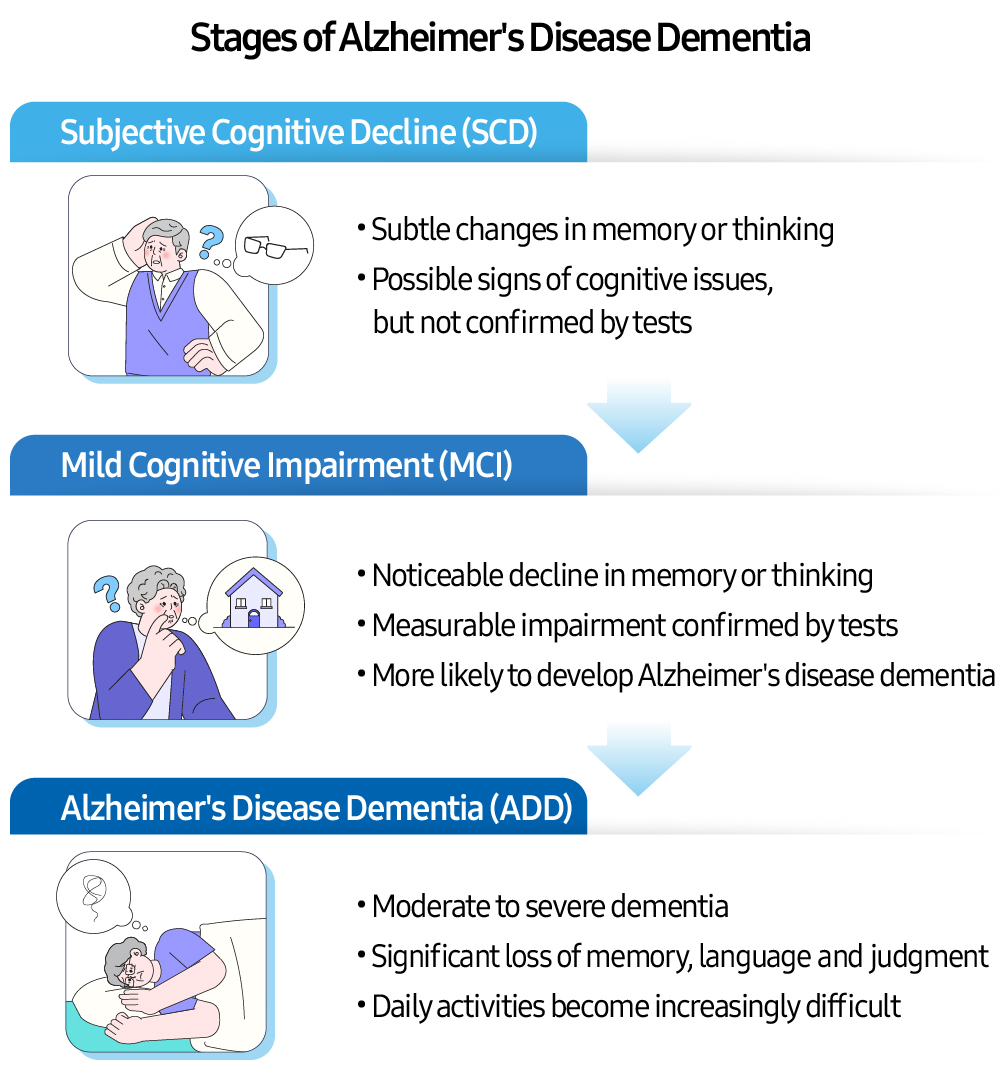
Spain Pilot Program Leads Global Innovation
Samsung launched the Mind Guardian pilot in Spain during 2024, collaborating with universities and research centers as part of its “Technology with Purpose” program. The mobile app uses Galaxy devices to assess memory and cognitive skills through interactive games.
Leading Spanish neurological associations support the project. Real-world trials among older adults are currently underway, generating valuable data about the technology's effectiveness in diverse populations.
Beyond mobile apps, Samsung's research investments extend to blood-based diagnostics and partnerships with international health organizations, advancing Alzheimer's innovation across multiple scientific fronts.

Privacy Safeguards Address User Concerns
Sensitive health data collection raises significant privacy questions. Samsung has implemented Knox security measures, but users remain cautious about how their cognitive health information is gathered and shared.
Transparency remains crucial. Users need clear control over their data and understanding of how it's used.
Ongoing challenges include keeping pace with evolving regulations and ensuring consent protocols meet ethical standards. Industry experts advocate for stronger user feedback systems to balance effectiveness with privacy protection.
Samsung's integration of AI-powered cognitive monitoring into everyday Galaxy devices represents a paradigm shift in Alzheimer's detection. As international collaborations expand and privacy frameworks strengthen, these ubiquitous technologies could democratize early screening for millions of users worldwide. The potential for earlier intervention through accessible, continuous monitoring offers unprecedented hope in the fight against cognitive decline.