





Three major wireless carriers simultaneously failed across Kansas City this week. T-Mobile, Verizon and AT&T users lost all service for nearly seven days, creating an unprecedented communications blackout that crippled thousands of residents and businesses throughout the metropolitan region.
Massive Carrier Outage Paralyzes Kansas City
The crisis began early last week with sporadic dropped calls. Within hours, it escalated into complete signal loss for countless users across all three networks. Restaurants couldn't process credit card payments. Retailers watched transactions fail repeatedly. Service providers struggled without reliable internet connectivity, amplifying disruption throughout the business community as the outage stretched from hours into days, then an entire week of communication chaos.

Users and Businesses Voice Escalating Frustration
Online forums exploded with desperate reports. Calls failed instantly outside 5G coverage areas. Small businesses watched revenue streams dry up as payment systems crashed. Schools lost contact with parents. Families couldn't reach emergency services reliably. Workers found themselves suddenly isolated from colleagues and clients, creating a mounting wave of confusion, anger and genuine fear as Kansas City's digital lifelines vanished without warning or explanation from carriers.
Carriers Respond With Silence as Outage Persists
T-Mobile and AT&T denied any known regional outages existed. Verizon provided no public comment whatsoever. The silence proved deafening. As user frustration reached boiling point, the complete lack of official acknowledgment or estimated restoration timeline deepened public mistrust and skepticism about carrier transparency, forcing desperate customers to rely solely on Wi-Fi connections and messaging apps for any remaining connectivity.
What Could Be Behind the Unprecedented Disruption?
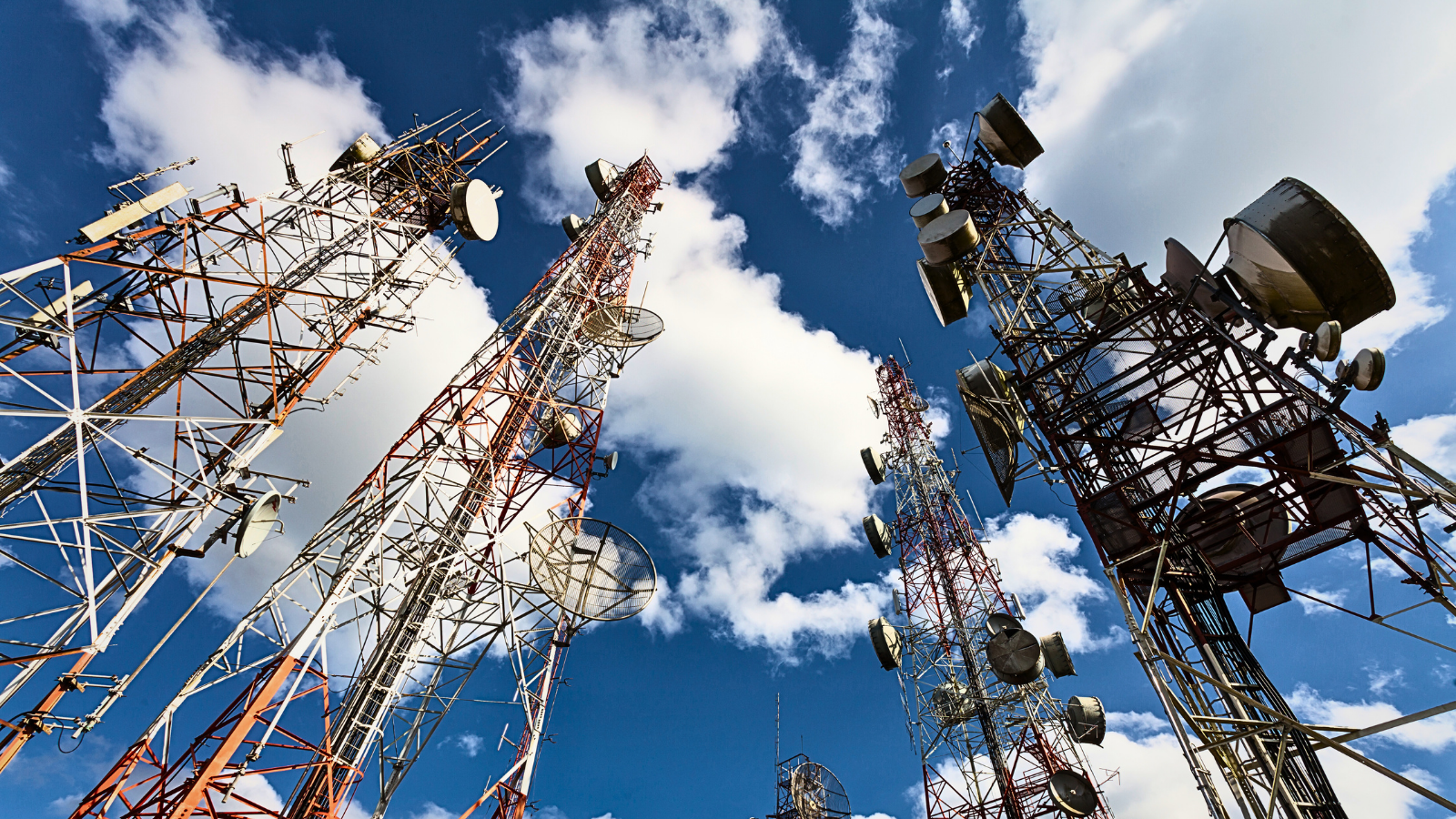
Simultaneous failure across all three major carriers suggests catastrophic infrastructure damage. Unlike routine tower maintenance or isolated network incidents, this widespread disruption points toward backbone-level problems affecting shared infrastructure components. Possible causes include compromised fiber optic lines or failure at central switching hubs serving multiple carrier networks. No official explanation has emerged, leaving technical experts and frustrated customers to speculate about the true origins of Kansas City's communication nightmare.
Lessons and Risks for Mobile Connectivity Nationwide
This crisis exposes critical vulnerabilities in America's wireless infrastructure. The rare scale of multi-carrier failure raises uncomfortable questions. Do networks have adequate redundancy? Is oversight sufficient? Trust between users and providers faces serious damage as communities nationwide watch Kansas City's ordeal unfold, prompting urgent calls for improved transparency, better contingency planning, and stronger regulatory oversight to prevent similar disasters from crippling other metropolitan areas across the United States.
Kansas City's week-long communications blackout reveals America's dangerous dependence on wireless connectivity and how quickly modern life collapses without it. With explanations still absent and user trust shattered, this incident will inevitably spark national debates about network reliability, carrier accountability, and the urgent need for more resilient mobile infrastructure capable of withstanding future crises.

