



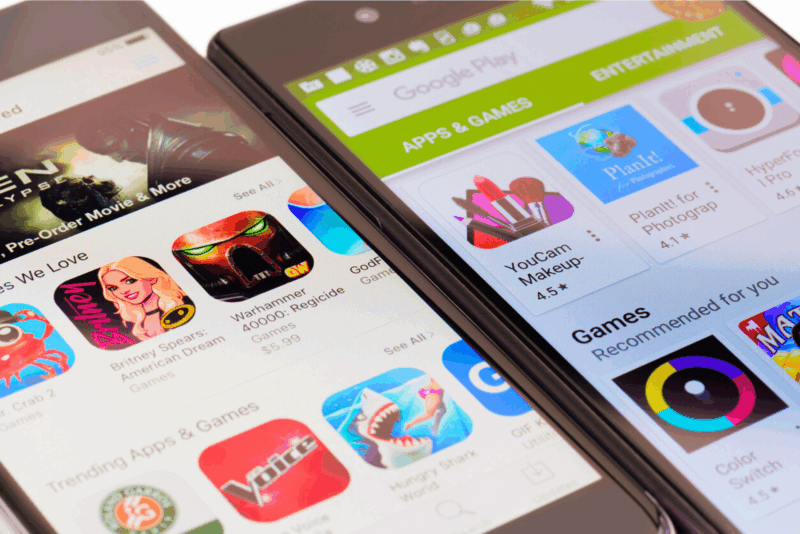
Google is shutting down its Play Store's instant apps feature in December 2025. This technology, launched in 2016, allowed Android users to access applications without downloading them. After nearly a decade, this once-innovative solution has failed to gain widespread adoption among both developers and users.
The era of Google's instant apps is coming to an end. Designed to provide users with streamlined access to applications without the commitment of a full download, this feature will be discontinued in December 2025. This decision reflects significant shifts in how we interact with mobile applications and highlights how technological advancements have rendered some innovations obsolete. The shutdown marks another addition to Google's growing list of discontinued products and services.
The rise and fall of instant apps technology
At its I/O developer conference in 2016, Google introduced instant apps, positioning the feature as a revolutionary approach to mobile application usage. The concept was elegantly simple: provide users with immediate access to app functionality through a lightweight version without requiring storage space or lengthy download times.
The technology emerged when smartphone storage was considerably more limited than today's devices. Many popular phones offered just 32GB of internal storage, making users particularly cautious about which apps they downloaded. Similarly, mobile data plans were more restrictive, often providing only a few gigabytes of high-speed data each month.
Instant apps were designed to solve multiple problems simultaneously: reducing storage requirements, minimizing data usage, and eliminating the friction between discovering and using an application. They represented Google's vision for a more fluid, seamless mobile experience.
However, despite these advantages, instant apps never achieved mainstream adoption. Several factors contributed to their limited success:
- Extra development effort required from app creators
- Limited awareness among average Android users
- Improvements in smartphone storage capacity
- Faster mobile networks are making downloads quicker
- Better mobile website experiences reduce the need for app-specific features
How instant apps functioned on Android devices
Understanding the technology behind instant apps helps explain their innovative nature and ultimate downfall. When a user clicks on a compatible link, Android checks if an installed application can handle that link. If not, the system typically opens the link in a web browser.
With instant apps enabled, the system offered a third option: launching a streamlined version of the relevant application without installation. This lightweight version provided core functionality while bypassing the traditional download and installation process.
The user experience was designed to be seamless, with many people not even realizing they were using an instant app rather than a mobile website. The system maintained a record of previously accessed instant apps, allowing users to manage their preferences through a dedicated settings menu.
From a technical perspective, developers needed to modularize their applications, separating core functionality into smaller components that could be delivered on demand. This modular approach represented a significant architectural challenge and required additional development resources that many teams ultimately found difficult to justify.
| Aspect | Traditional Apps | Instant Apps |
| Installation Required | Yes | No |
| Storage Space | Full size | Minimal |
| Feature Access | Complete | Limited |
| Development Complexity | Standard | Higher |
Why Google is discontinuing the feature
Google's decision to shut down instant apps reflects broader technological and market shifts over the past decade. The announcement came quietly through a note in the latest Android Studio development kit, signaling an unceremonious end to what was once considered a potential game-changer.
Several key factors contributed to Google's decision:
- Technological evolution has largely eliminated the problems instant apps were designed to solve
- Developer adoption remained limited due to the additional work required
- User awareness and engagement with the feature never reached critical mass
- Mobile websites have significantly improved, offering comparable experiences
- Google's strategic priorities have shifted toward other technologies
The landscape of mobile technology has transformed dramatically since 2016. Today's smartphones routinely offer 128GB or more of storage, while 5G networks enable rapid downloads even for larger applications. These advancements have diminished the primary advantages that instant apps initially offered.
Similarly, web technologies have evolved substantially, with progressive web apps (PWAs) providing app-like experiences directly through browsers. This evolution has blurred the lines between websites and applications, further reducing the distinctive value of instant apps.
Impact on Android ecosystem and future alternatives
The discontinuation of instant apps in December 2025 will likely have minimal impact on most Android users, given the feature's limited adoption. However, it represents an interesting case study in how technology solutions can become obsolete as the problems they address evolve or disappear.
Google isn't abandoning the concept of lightweight, accessible applications entirely. The company continues to invest in progressive web apps and other technologies that reduce friction between discovery and usage. These alternatives leverage standard web technologies rather than requiring specialized development approaches.
For developers who have invested in instant apps, Google will provide migration pathways to alternative technologies. The December 2025 deadline gives teams ample time to adapt their strategies and transition to other solutions.
This shutdown also highlights Google's willingness to discontinue products that don't achieve widespread adoption, regardless of their technical merits. For the Android ecosystem, this represents a streamlining of options that may ultimately benefit both developers and users by reducing complexity.
As smartphone capabilities continue to advance and network speeds increase, the line between installed applications and instantly accessible experiences will likely continue to blur. While instant apps may be disappearing, their core objective of reducing friction in digital experiences remains a priority across the mobile ecosystem.