



AI-generated art is reshaping advertising. Brands now use AI to create visuals faster, cheaper, and at scale. Studies show 73% of marketers already use AI tools. The global AI marketing industry is expected to surpass $100 billion by 2028.
AI-generated visuals outperform traditional content in engagement. Over 75% of Gen Z and Millennials find AI-created ads appealing. With better personalization and reduced costs, AI art generator tools are a key part of modern advertising strategies.
The Rise of AI Art in Advertising
Transforming Creative Strategies
AI helps brands create and test multiple ad versions instantly. Marketers can now tailor visuals to different audiences without expensive photo shoots. AI-generated ads save companies millions in production costs.
Boosting Engagement
AI visuals capture attention. Research shows AI-powered ads outperform traditional campaigns in 6 out of 9 cases. AI art allows brands to experiment with bold, unique imagery, making campaigns more memorable.
AI Art Generators Driving Change
Midjourney
Midjourney produces high-quality, artistic AI-generated images. IT platform Atera saved $1 million by replacing traditional video shoots with Midjourney-generated visuals.
DALL·E 2
OpenAI’s tool allows users to create realistic AI-generated images. Heinz used it to generate ketchup bottle images, proving the brand's dominance. The campaign went viral, reinforcing brand identity without human design.
Stable Diffusion
This open-source AI generator gives brands control over their visuals. Lexus used Stable Diffusion to let auto show visitors generate custom AI car art. The campaign boosted customer engagement and brand recall.
ImagineArt
AI Shots: AI-Powered UGC Reels
ImagineArt is advancing AI-generated content. Its AI Shots feature turns static photos into dynamic AI-generated videos. Brands can animate customer images, transforming them into engaging short-form content.
Enhancing UGC for Better Engagement
User-generated content (UGC) increases trust and engagement. Ads featuring UGC have 5× higher click-through rates. AI Shots allows brands to scale UGC campaigns without costly production.
AI in Social Media and Influencer Marketing
Virtual Influencers
Brands now use AI-generated virtual influencers for marketing. KFC’s CGI Colonel Sanders persona posts on Instagram, maintaining brand voice and driving high engagement.
Viral AI-Powered Campaigns
Coca-Cola used an AI Video creator to create a viral marketing video blending AI-generated animation and classic advertising. Balmain’s AI-only fashion campaign generated 300+ news articles, boosting brand awareness.
Challenges and Ethical Concerns
Authenticity and Trust Issues
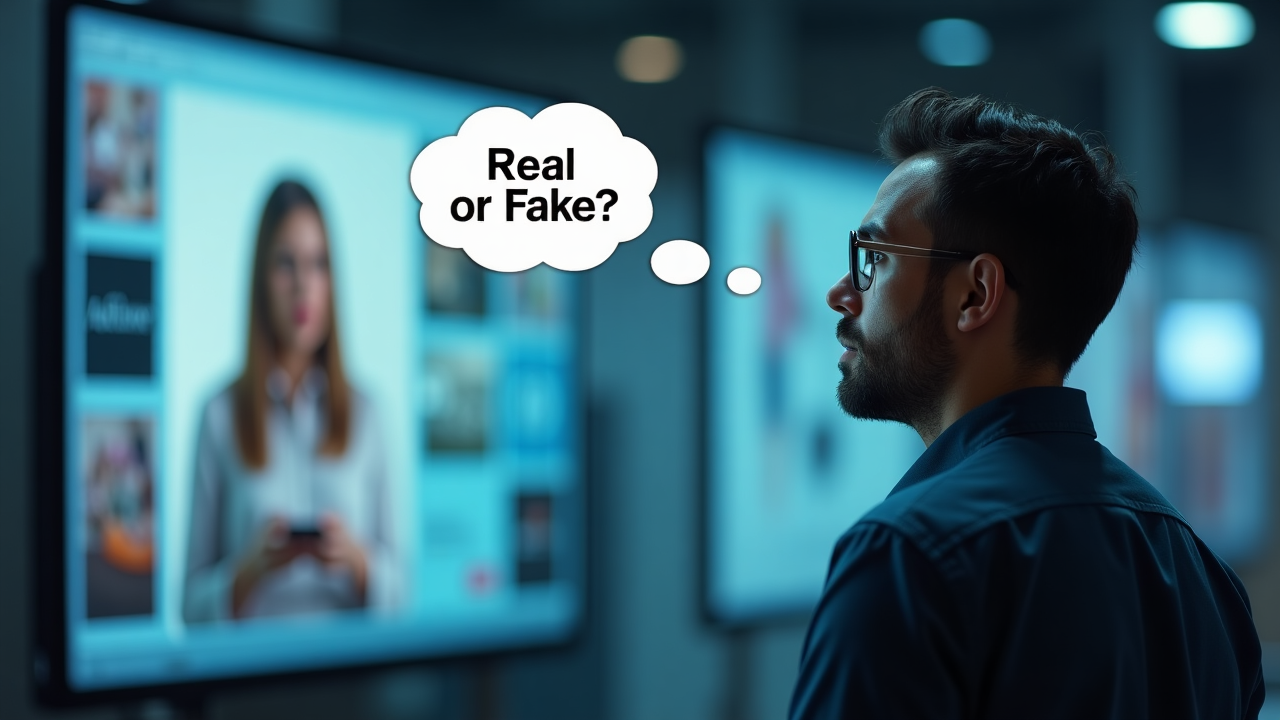
Consumers are skeptical of AI-created ads. While 80% of marketers think AI ads are well-received, less than 50% of Gen Z and Millennials feel positive about them. Brands must ensure transparency to maintain trust.
Copyright and Legal Risks
AI art raises copyright concerns. Getty Images is suing Stability AI for allegedly using 12 million images without permission. Brands must verify AI-generated visuals to avoid legal risks.
The Future of AI in Advertising
Hyper-Personalization
AI will create custom ads for each consumer. Coca-Cola is already using AI to personalize marketing content for 100+ markets. Personalized AI ads boost engagement and conversion rates.
Real-Time Content Generation
AI-driven advertising will adjust content dynamically. AI will modify ads on-the-fly, based on real-time engagement data, optimizing marketing effectiveness.
Immersive AI-Powered Campaigns
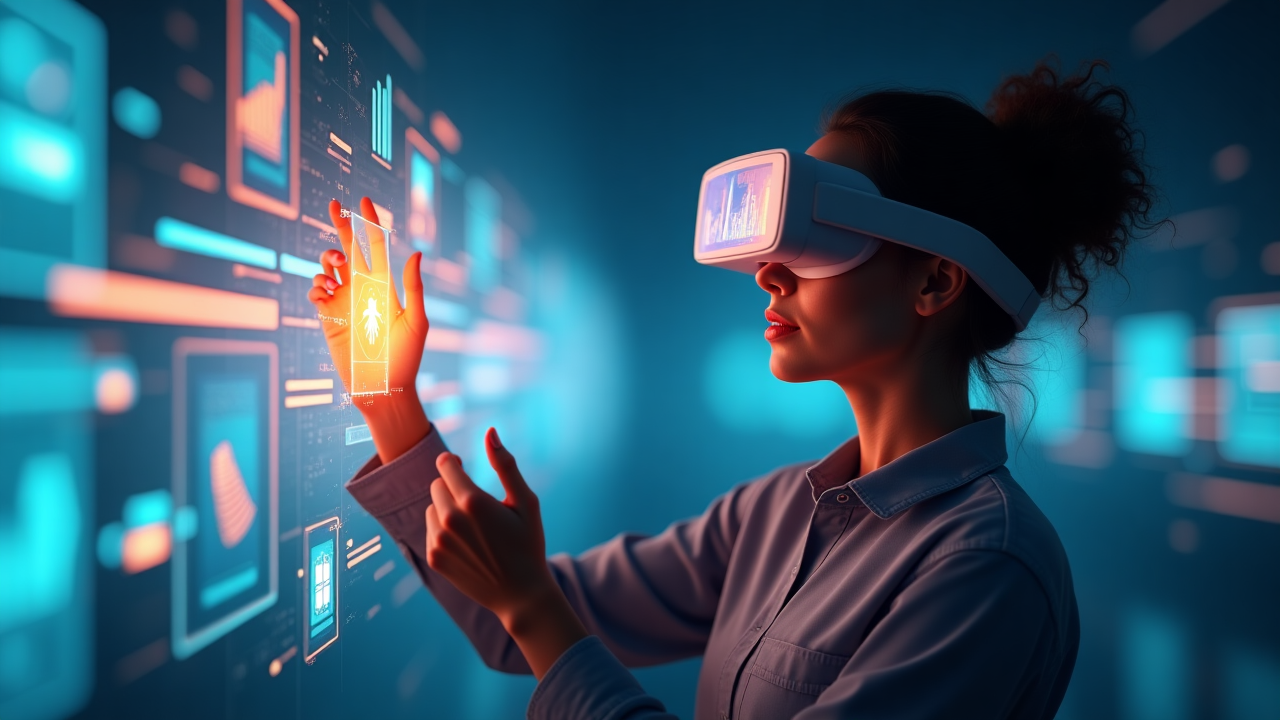
AI will create 3D visuals and interactive AR/VR ad experiences. WPP and NVIDIA are already developing AI tools that generate real-time 3D ad visuals. AI will make ads more interactive and engaging.
Conclusion
AI-generated art is transforming advertising. It enables rapid, cost-effective content creation, improves engagement, and enhances personalization. Marketers embracing AI art will gain a competitive edge. As AI advances, it will continue shaping the future of digital advertising.

