


The chip market is a very complicated one, and it's hardly the kind of market that anyone can get into without a lot of capital to throw around. It's why it has always been one of those market segments where you hardly ever see “new” players. For instance, it has been Intel and AMD in PCs for the longest time.
However, Qualcomm has added itself to the list, and unfortunately for the other two, it is showing how ARM chips might be the future of computers. Qualcomm is taking a piece of Intel's pie, but Intel once had the chance to cement itself as a smartphone chip maker, so why did they abandon the market (and the chance to perfect their ARM tech?)
Intel Was Making Smartphone Chips From Very Early On; And ARM Ones At That
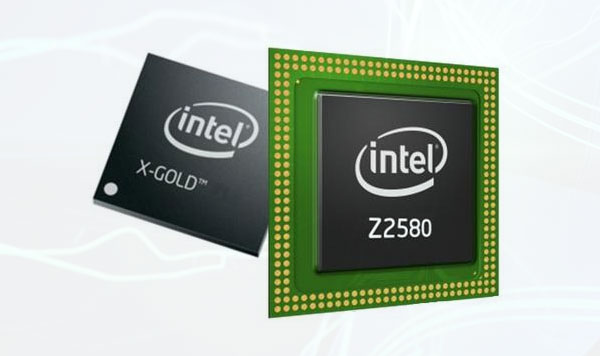
Don't consider Intel to be an absolute novice when it comes to the smartphone industry because that couldn't be farther from the truth. Earlier on, Intel was a surprisingly common choice for some manufacturers when looking for chips to power their products.
Over 10 years ago, the company was putting out Intel Atom chips which ran on an x86 architecture (one kind Intel uses for your computer chips). I remember that the Asus Zenfone 2 had an Intel Atom (because I wanted one so bad). In fact, a lot of the earlier Zenfones did. As far back as 2012, with the Motorola Razr i, there were Intel chips running in smartphones.
However, it seems the death knell came when ARM-based Qualcomm chips provided much better battery efficiency and multi-core performance than Intel could with x86 chips. After some time, they eventually just disappeared as an option.
That's rather sad too, especially as Intel isn't a complete stranger to ARM. Back in the days when they were making the chips that powered PDAs, they were built on ARM instruction sets. They must have placed their bets on x86 though, and left the future behind.
Even Nvidia Once Had A Place In Smartphones
We all know Nvidia best for powering computers for those of us who are in love with gaming. But did you know that they were once in the business of making SoCs for smartphones and tablets? Yep, those were the Nvidia Tegra days.
Tegra chipsets were popular in Android devices before Intel's Atom even had the chance to fully take off, and the Nvidia Tegra 2 actually gave us the very first dual-core smartphone, in the form of the LG Optimus 2X. It was no slouch either. Driven by that first milestone, the Nvidia Tegra 3 came out as the first quad-core chip in a phone; the HTC One X.
However, by that point, Snapdragons were in full swing and were doing well at defeating Nvidia. At a point, just like Intel, Nvidia seemed to realize it wasn't worth the struggle anymore. However, that doesn't mean that the concept of Tegra is dead. The Nintendo Switch runs on an Nvidia Tegra chip, so while they're still around, they just aren't for the smartphone market anymore.
ARM Is The Future Of Processing, And Intel Might Be Ready To Jump Back In
The Snapdragon X Elite wowed me, and likely many others, with the kind of performance and power efficiency it was able to bring into a Windows laptop. This is the major perk of the ARM architecture, and as much as it is relatively foreign to Windows these days, Qualcomm took the plunge and it paid off.
If things continue the way they are, Intel and AMD are both bound to lose out years from now. That's likely why it isn't a surprise that Intel jumped into a “multigeneration collaboration” with ARM back in April.
While this majorly provides Intel's foundries as an option for chip manufacturers, it could also open the possibility of Intel more easily making ARM chips for laptops, or potentially even walking back into the smartphone scene.