



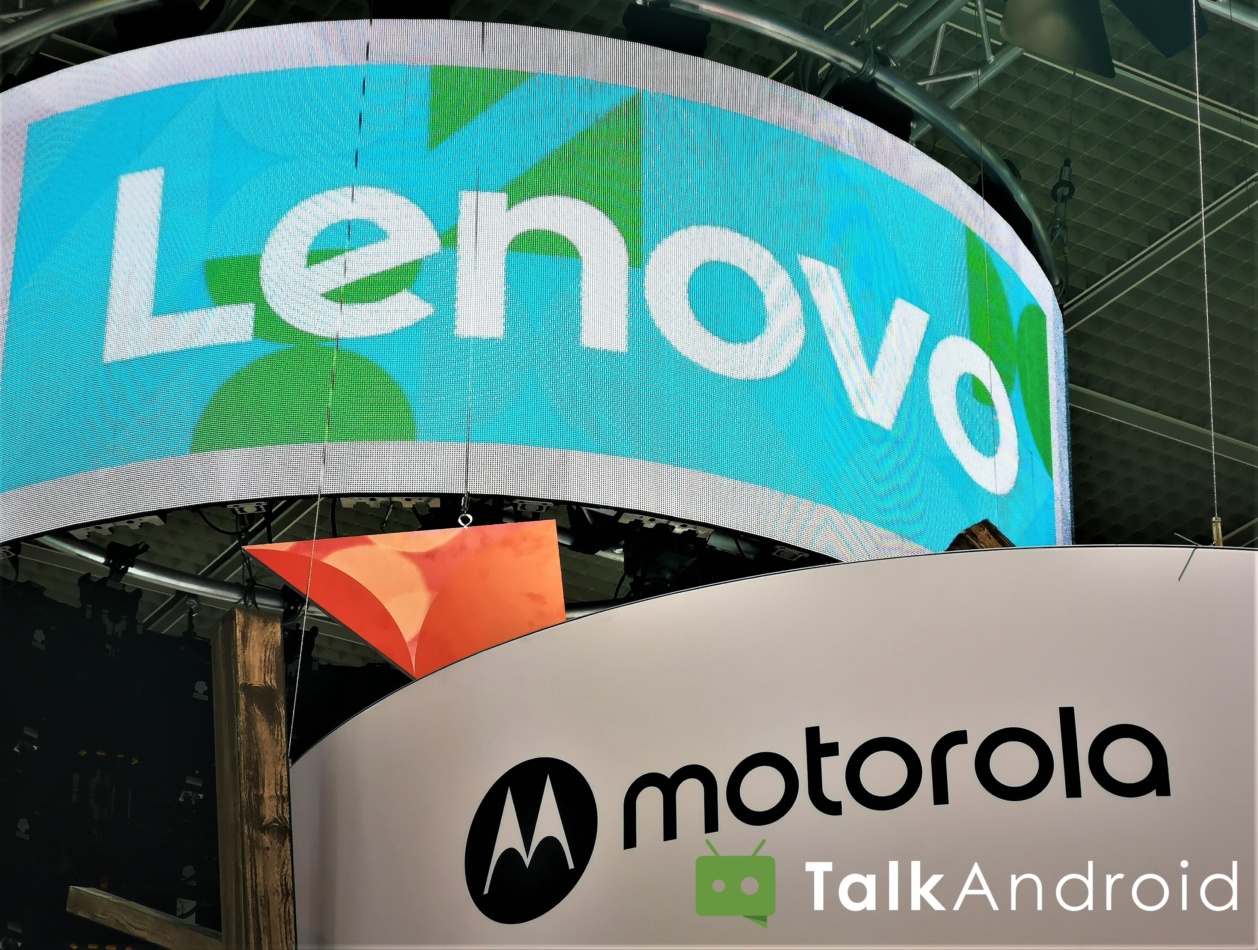
In late 2014, Lenovo, a company best known for computer hardware (and partly for smartphones and tablets), purchased Motorola. Since then, Motorola has been the smartphone face of the company, while Lenovo handles the tablets and computers.
One thing that many of these devices have in common (including some laptops) is the ability to connect to wireless wide area networks (WWAN), or in basic terms, a cellular network. Unfortunately for Lenovo and Motorola, a patent dispute over WWAN hardware means that all cellular-enabled devices from the companies cannot be sold in Germany right now.
Updated With Motorola's Statement
Motorola has shared a statement with TalkAndroid about the ban in Germany and why it's come about, as reads below:
“As a global technology leader Lenovo respects the effort and investment that drive innovation, and we are both a licensor and a willing licensee of intellectual property. Regarding the Interdigital (IDC) case, we respect the Munich Court’s decision but do not agree with it given our belief that IDC has violated its own legal obligations to license its technology on Fair, Reasonable and Non-Discriminatory (FRAND) terms to either Lenovo or our third-party suppliers.“
“Access to standardized technology on FRAND terms is critical to the future of the global tech industry; we will continue to fight for transparency in licensing negotiations and against companies seeking excessive rates for their patent portfolios. Innovation must be both accessible and affordable, and IDC’s unreasonable global patent licensing behaviours and fees disadvantage German customers, especially consumers by reducing access to the latest technologies and driving up prices for tech products. We look forward to the next stage of the proceedings and our appeal.“
Basically, this appears similar to what happened between Nokia and the BKK stable of brands (Oppo, Realme, OnePlus, Vivo) which eventually saw them relinquish their share of the European market before finally settling the issue with Nokia. In this case, Motorola and Lenovo are taking issue with the IDC (Interdigital) over the cost of licensing its technology, calling the fees ‘unreasonable'.
While a Munich court has upheld Interdigital's case, Lenovo/Motorola will appeal the ruling. Hopefully, calm heads can prevail to ensure that this doesn't spread through the rest of Europe and that an agreement can be negotiated without further recourse in the courts.
Lenovo Isn't Holding Up Its End Of The Deal In Regards To WWAN Patents
Things are getting heated for both Lenovo and Motorola over in Germany. A smartphone can barely be called a smartphone if it can't connect to cellular networks (AKA, a WWAN), and to do that, it needs to have a piece of hardware inside that's called a WWAN module. These WWAN modules weren't originally designed by the same companies making the phones, and are instead, made using patents from third parties. A lot of mobile technology is like this.
In Lenovo and Motorola‘s cases, the source of its WWAN modules is an American company called InterDigital, which owns the patent. The WWAN tech being used in several of the products from the two companies, including the Edge 50 family that recently launched, utilizes InterDigital patents and Lenovo is meant to pay this company an agreed licensing fee. That's the way patent business works (otherwise, you've got to go out and make your own entirely unique implementation, which isn't worth it for most).

Well, apparently, the entire dispute is simply around the fact that Lenovo and InterDigital have failed to agree on a licensing fee for the latter's technology. Apparently, Lenovo has paid something, but InterDigital doesn't see the price paid as being reasonable. Lenovo says essentially the same about the amount InterDigital is requesting.
Lenovo And Motorola Get Hit With A Heavy Sales Ban In Germany As A Result
Well, this entire saga was taken to the Munich I District Court in Germany, and this month, the court ruled in favor of InterDigital (though of course, Lenovo plans to appeal the judgment). The result of the judgment? An immediate German sales ban of all Lenovo, and by extension, Motorola, products that are WWAN-enabled. As long as a phone can take in a SIM card and use a mobile network, it can't be sold in the country. This means a lot of phones, many tablets, and a few laptops here and there.

To comply, both companies have removed affected products from their online storefronts. Sure, there are still some of these products left on shelves and they can continue to be sold, but once the current stock is sold out, retailers won't be allowed to restock.
Pending an appeal, Lenovo choosing to settle with InterDigital and pay them an acceptable fee for licensing seems like the easiest way to open the German market back up. Otherwise, German consumers shouldn't expect to find any Lenovo or Motorola devices on sale.

