




Gaming smartphones have distinctive controls, hardware, and settings that set them apart from your regular phones. Some provide triggers that give you a tactile advantage and console-like gaming experience. Others use vibration mechanisms to make you feel like you're in the game world.
You'll even find phones with cooling systems, but these features are usually signs that you've reached the expensive side. If you want them, or just a decently priced powerhouse, here are the top five gaming phones to buy.
What you need in a gaming phone
The following features are important for hardcore gaming. They directly affect how enjoyable and seamless your experience will be.
Processor & Graphics processing unit (GPU)
Your phone's processor is in charge of executing instructions, making calculations, managing data flow, and coordinating components. In gaming, these activities translate to interpreting your input and responding quickly, calculating character positions and movements, as well as applying textures and lighting effects.
Phone processors are rated by speed in Gigahertz (GHz) and core count. The general rule of thumb is that the higher the GHz, the faster the processing. Likewise, more cores allow for better multitasking.
On the other hand, your phone's GPU is a special type of processor that's in charge of displaying images, animations, and videos. Unlike the CPU, its attention is dedicated to every repetitive calculation the device needs for image processing.

To identify a good GPU, always check for the manufacturer and generation number. I unconsciously check for Qualcomm processors and GPU whenever buying an Android phone. They're just that good (definitely not a sponsored comment).
If you were looking for their Adreno line of processors, you would check the higher numbers. 680 indicates a newer generation and potentially better performance compared to older generations like Adreno 640.
When I've spotted the requirements I need, I hunt for reviews on Google that discuss the GPUs in-depth. Particularly, those that test the devices in gameplay and check factors like overheating or how fast the battery runs out.
High refresh rate & display resolution
Your phone's refresh rate is how many times its display refreshes an image, and it's expressed in Hertz (Hz). If your phone has a 60Hz refresh rate, it means it updates images as fast as 60 times in a second. It helps if you imagine it as a flip book with drawings.
Now, see yourself whipping through the pages. When you've done this little exercise, it's self-explanatory why high refresh rates are important. The larger those numbers, the smoother the visuals, less motion blur, and input lag.
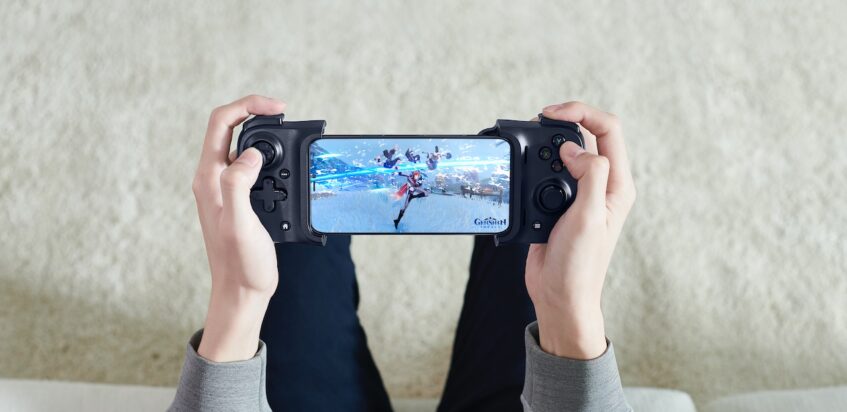
Meanwhile, your screen's resolution is the number of picture elements (pixels) on the display. A higher resolution means more pixels, resulting in sharper visuals with finer details in games. Full HD (1080p) resolution offers a good balance between sharp visuals and smooth performance on gaming phones. Flagship gaming phones may give you up to 1440p) with stunning visuals.
High battery capacity
High refresh rates, resolution, as well as strong processors and GPUs are great to have. But they will take a toll on your battery. 4,500mAh is a decent capacity for gameplay. But if you can afford to go higher, then target 5,000mAh. Some phones even offer 6500mAh. But they will feel weighty because of the battery size.
Expandable storage

Modern mobile games, especially those designed to mimic open worlds, tend to be heavy in size. The initial installation may be small, but over time, in-game downloads and assets accumulate. Call of Duty Mobile alone is taking a whopping 15GB of my storage space.
If you have multiple large files like that, you'll be glad to have invested in a memory card slot when the storage space runs out. It's a great phone perk if you have security concerns with cloud storage, want a faster way to switch data from one device to another and have a fail-safe plan if your phone just dies someday.
A quick glance at the best gaming phones
- Best overall phone: Asus ROG Phone 8 Pro.
- Best value phone: RedMagic 9 Pro.
- Best controls: Black Shark 5 Pro.
- Best non-gaming gaming phone: Samsung Galaxy S24 Ultra.
- Best budget: Poco X6 Pro.
Asus ROG Phone 8 Pro
Pros
- IP68 resistance rating.
- Large battery capacity.
- Sharp display with high refresh rate.
- Strong processor & GPU.
Cons
- Expensive.
- Short OS support. Receives only two years of updates.
- More prone to accidental touches (thanks to the thin bezels).
| Component | Specifications |
|---|---|
| Processor & GPU | Qualcomm Snapdragon 8 Gen 3, Qualcomm Adreno 750 |
| Display & refresh rate | 6.7-inches AMOLED, 165Hz |
| Resolution & brightness | FHD+ (2400 x 1080 pixels), 2,500 nits peak |
| OS | Android 14 with ROG UI |
| RAM & storage | 12GB + 256GB, 16GB + 512GB |
| Cameras | 32MP wide (selfie), 50MP wide, 32MP telephoto, 13MP ultrawide |
| Battery | 5,500mAh |
| Earphone jack | 3.5mm |
| Price | $1,550 |
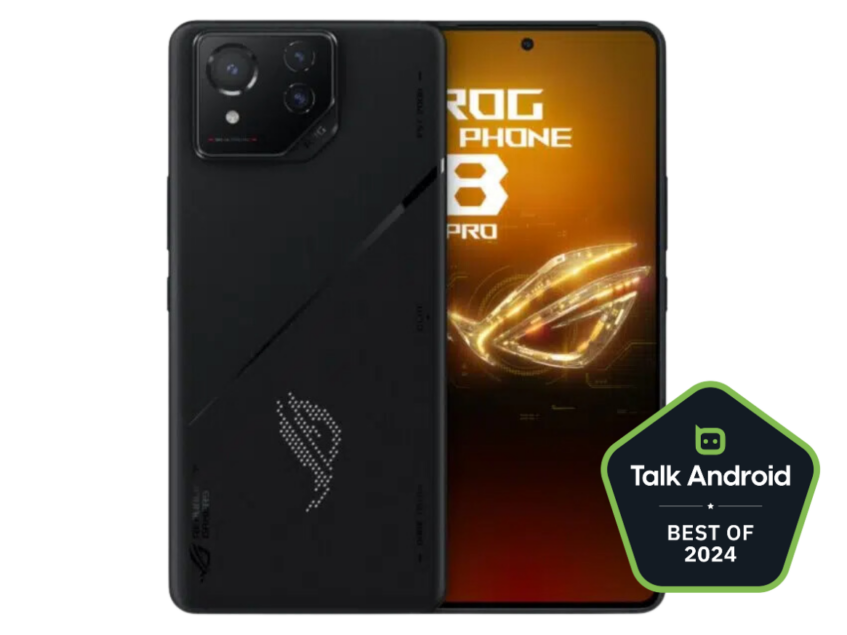
Asus has redesigned the ROG Phone 8 Pro to be more compact than previous models. The weight has dropped from the hefty 239 grams on the ROG Phone 7 to 225 grams. It sports the same aluminum frame, but the first version of Gorilla Glass back instead of the third generation.
The gamer-centric features are my favorite part. I love the physical AirTrigger buttons which give any gamer more control and precision compared to tapping or swiping on the screen. I prefer a pad-like feel for many reasons, especially in fast-paced games. Tactile buttons are usually more comfortable and reduce accidental touches.
The phone also has a GameCool 8 cooling system that keeps your phone from running hot during extended gameplay. Asus has added AniMe Vision technology to the rear, this time around. It has 341 tiny light-emitting diodes (LEDs) that you can program to show off different animations. The 6.7-inch AMOLED display offers 1080p resolution with a massive 165Hz refresh rate and high brightness that peaks at 2500 nits.
The phone uses Qualcomm's Snapdragon 8 Gen 3 processor, which is still the latest processor until the Gen 4 model comes out in October. With 24GB RAM and UFS 4.0 storage, the phone is a powerhouse that breezes through any mobile game you can think of.
RedMagic 9 Pro

Pros
- Powerful processor & GPU.
- High battery capacity & fast charging support.
- Decent pricing.
- Large display with a high refresh rate.
Cons
- No IP rating.
- The camera setup isn't the best.
- Clunky UI.
| Component | Specifications |
|---|---|
| Processor & GPU | Qualcomm Snapdragon 8 Gen 3, Qualcomm Adreno 750 |
| Display & refresh rate | 6.8-inches AMOLED, 120Hz |
| Resolution & brightness | FHD+ (2480 x 1116), 1,600 nits peak |
| OS | RedMagic OS 9 (based on Android 14) |
| RAM & storage | 12GB + 256GB, 16GB + 512GB |
| Cameras | 16MP wide (selfie), 50MP wide, 50MP ultrawide, 2MP macro |
| Battery | 6,500mAh |
| Earphone jack | 3.5mm |
| Price | $649 |
The RedMagic 9 Pro brings a competitive starting price. It comes in Snowfall, Cyclone, and Sleet colors. Cyclone is my favorite as it adds a touch of gold to the black. It doesn't look as bland as Sleet. The frame is aluminum, and the Gorilla Glass 5 material complements it. It has way better drop and scratch resistance than the original glass on the ROG Phone 8 Pro.
It uses the Snapdragon 8 Gen 3 processor, and the lowest RAM size you can find on it is 12GB with 256GB storage space. There are larger variations in 12GB and 16GB RAM, as well as 512GB storage space. The display quality is a couple of steps down from Asus’ phone, but a 120Hz refresh rate with 1600 brightness and FHD+ resolution isn't a bad deal. Plus, it has a larger screen-to-body, which means thick distracting bezels won't get in the way of your sight — but you will struggle with accidental touches.
The battery life leaves nothing to be desired at 6,500mAh. You can expect your phone to last for up to 56 hours and juice up at a fast 80W charging speed. The ICE 13.0 Magic Cooling System has vapor chamber plates that use liquid to spread heat more evenly around the system and reduce CPU temperature significantly.
Surprisingly, the phone has no IP rating. You may not plan to go deep water diving with friends or trek the Sahara desert. But knowing your phone is dust and water-resistant gives you peace of mind.
Black Shark 5 Pro
Pros
- Sharp 144Hz OLED display with 10-bit color.
- Powerful processor.
- Retractable side triggers.
- Decent battery capacity with fast charging support.
Cons
- Runs hot.
- No headphone jack.
| Component | Specifications |
|---|---|
| Processor & GPU | Qualcomm Snapdragon 8 Gen 1, Qualcomm Adreno 730 |
| Display & refresh rate | 6.6-inches OLED, 144Hz |
| Resolution & brightness | 1080 x 400, 1,300 nits peak |
| OS | JoyUI 13 (based on Android 12) |
| RAM & storage | 8GB + 128GB, 12GB + 256GB |
| Cameras | 16MP wide (selfie), 108MP wide, 13MP ultrawide, 5MP telephoto macro |
| Battery | 4,650mAh |
| Earphone jack | USB Type-C |
| Price | $900 |
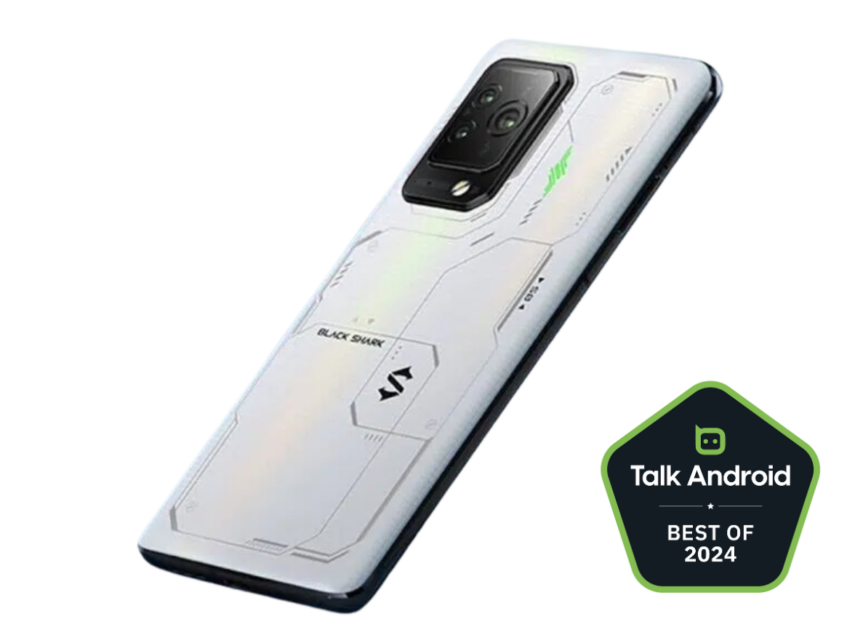
The Black Shark 5 Pro is among Xiaomi's best phone releases. It's a high-performance gaming phone with an octa-core Snapdragon 8 Gen 1 processor and RAM options ranging from 8GB to 16GB and storage options ranging from 128GB to 256GB. Also, it uses the Adreno 730 GPU.
Its AMOLED screen has a 144Hz refresh rate and 1300 brightness. The phone also has trigger buttons on the side. Many people love the clicky sound of the tactile feedback, and they're not limited to game functions. You can customize each of the buttons to open any app or perform other tasks.
The Snapdragon 870 chipset powers the phone. It's nowhere near the Snapdragon 8 Gen 3, but it's a top performer in mid-range phones. In terms of heat dissipation, it has two dual VC plates that make for a cooler phone — literally and figuratively.
Samsung Galaxy S24 Ultra

Pros
- Powerful processor & GPU.
- Large storage options.
- Impressive camera setup.
- AI features.
Cons
- Noticeably heavyweight.
- Expensive.
- Limited RAM options.
| Component | Specifications |
|---|---|
| Processor & GPU | Qualcomm Snapdragon 8 Gen 3, Qualcomm Adreno 750 |
| Display & refresh rate | 6.8-inches AMOLED, 120Hz |
| Resolution & brightness | Quad HD+ (3120 x 1440), 1,300 nits peak |
| OS | Android 14 with One UI 6 |
| RAM | 12GB |
| Storage size | 256GB, 512GB, 1TB |
| Cameras | 12MP wide (selfie), 200MP wide, 10MP telephoto, 50MP periscope telephoto, 12MP ultrawide |
| Battery | 5,000mAh |
| Earphone jack | USB Type-C |
| Price | $1300 |
Samsung didn't design the S24 Ultra to be a gaming phone, but it sure can pass as one. The phone even contends strongly with the ROG Phone 8 Pro, although it falls behind on many features and comes with a steep price tag.
Technical specifications aside, global availability is one reason for it to be on your consideration list. You want a phone you can travel anywhere with and access customer support with repair services. Dedicated gaming phone manufacturers often limit products to markets where they have a stronger presence, which may be to your disadvantage.
Software support is another reason as it'll get seven years of major updates. That's longer than most phones usually get. Plus, gaming phones are prime targets for hackers because of the sensitive data they hold. For example, the payment method you use for in-game purchases, your accounts, and browsing data. Regular updates will safeguard your device against malware, and bring you the latest features.
Poco X6 Pro
Pros
- Large battery capacity with fast charging support.
- Revamped & cleaner HyperOS over MIUI.
- Water & dust resistant.
- Decent performance & price.
cons
- IP54 rating.
- Not the best camera setup.
- Bloatware.
| Component | Specifications |
|---|---|
| Processor & GPU | Mediatek Dimensity 8300-Ultra, ARM Mali-G615 |
| Display & refresh rate | 6.6-inches AMOLED, 120Hz |
| Resolution & brightness | 2712 × 1220, 1,800 nits peak |
| OS | HyperOS (based on Android 14) |
| RAM | 8GB, 12GB |
| Storage size | 256GB, 512GB |
| Cameras | 16MP wide (selfie), 64MP wide, 8MP ultrawide, 2MP macro |
| Battery | 5,000mAh |
| Earphone jack | USB Type-C |
| Price | $375 |
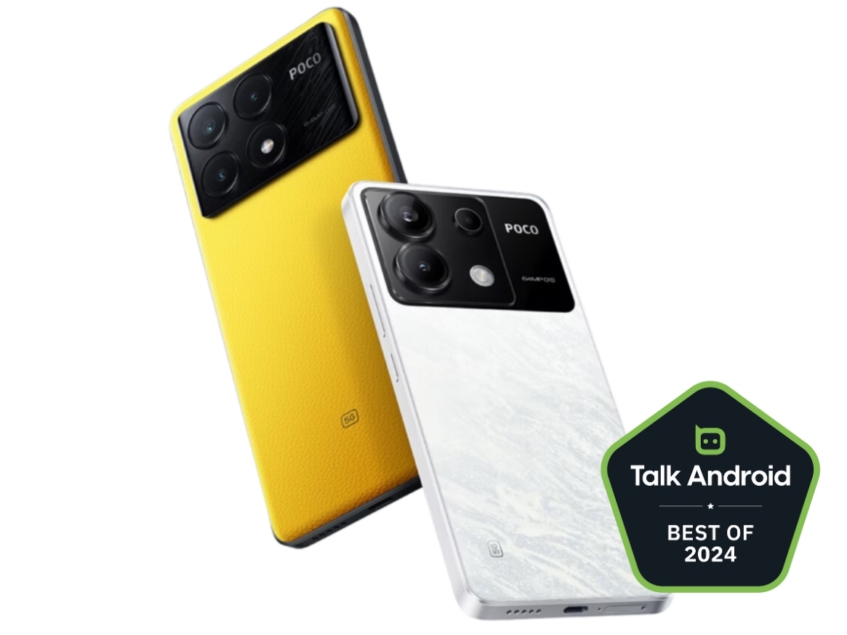
The Poco X6 Pro doesn't bring anything mind-blowing to the table. But it will save you from flagship costs while providing close to high-end specs. Its AMOLED screen provides deep blacks and accurate colors with DCI-P3 support. It smoothly transitions between 60-120Hz for fluid visuals and conserves battery when it drops to 60Hz on static screens.
One unique feature you'll find handy is the voice changer. It alters your voice in real time and keeps you anonymous during online interactions.
Pro mobile gaming isn't cheap
Agreed, the phones on this list are pricey. But a budget range of $600 to $1300 should get you a good device with a powerful processor and graphics chip, high refresh rate display, lots of RAM, and other features any serious gamer needs for a smooth experience. But if you're a more casual gamer, you can get by with regular phone specs. Samsung's phones are a good place to start. They have various price ranges, including the budget A, F, and M series.

