




Soul Knight Prequel is the second installment in the hit mobile dungeon crawler series—Soul Knight. It features the IP’s signature pixelated art style and rogue-like combat, but also new gameplay mechanics such as dedicated multiplayer and RPG-focused elements.
Unlike the previous game, Soul Knight Prequel follows a linear storyline that can be replayed in higher difficulties. You’ll also be able to create up to eight different characters and fully customize their stats, skills, equipment, and even appearance.
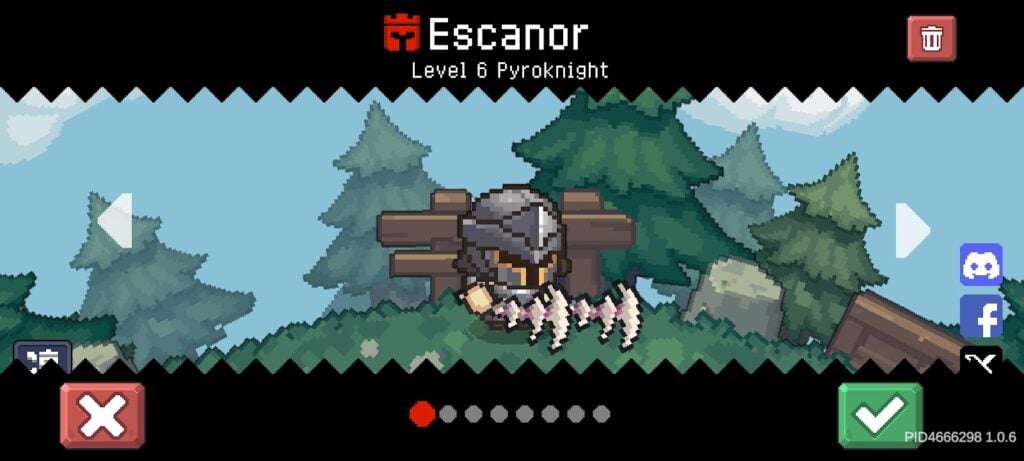
This guide will show you every gameplay feature and mechanic you need to know, as well as some tips that’ll help you progress and get strong faster in Soul Knight Prequel.
Soul Knight Prequel: Gameplay Mechanics & Features
In this section, we will go through all the basic gameplay mechanics and features that you can explore in Soul Knight Prequel.
Story
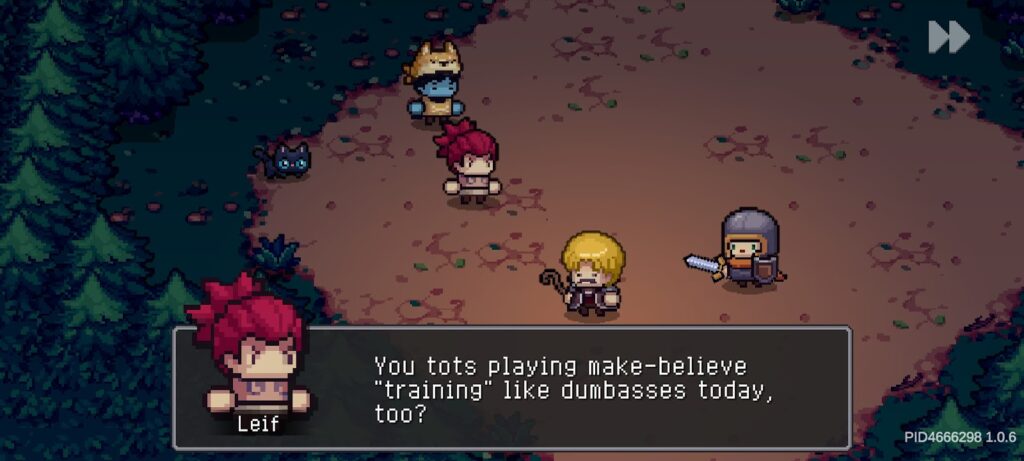
Soul Knight Prequel features a linear storyline that sees your created character collecting fragments of an ancient relic called the Sophoract to save the world from utter destruction.
Throughout your journey, you can create your very own knight order, explore various dungeons, slay monsters, loot countless powerful equipment, and meet a variety of fun, unique characters along the way.
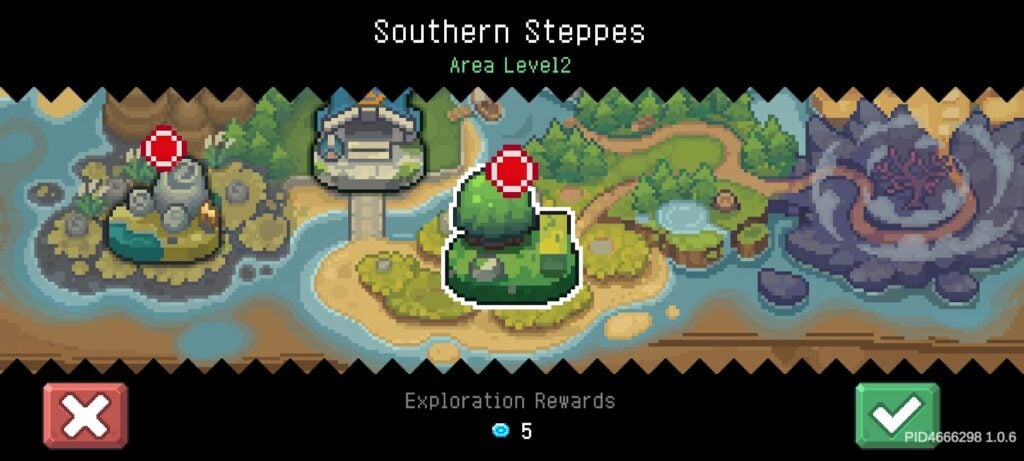
Soul Knight Prequel’s story mode is something that its predecessor game, Soul Knight, lacks. This feature adds a lot of character and replayability to the game in addition to the title’s classic roguelike gameplay.
Speaking of replayability, you can take on three difficulty levels once you’ve completed the game’s story:
- Normal
- Challenging
- Extreme
Higher difficulties will feature tougher mobs and harder boss fights in exchange for better loot.
Multiplayer

You join the multiplayer mode by either selecting “Multiplayer” in the title screen or finding the Partyfinder’s Bulletin in your character’s hometown and interacting with it.
In multiplayer mode, you can team up with a bunch of other players to clear instances

A multiplayer party can only have up to four members. Additionally, a player can create or join a multiplayer party via the following features:
| Multiplayer Features | Description |
| Quickmatch | Matches you with random players to clear a dungeon instance. |
| Join Room | Allows you to join a created dungeon instance through an invite code or a LAN connection. |
| Create Room | Allows you to create a dungeon instance that requires an invite code or a LAN connection for other players to join |
NOTE: Buffs gathered in multiplayer instances are shared among the party members, so you don’t have to worry about tripping over yourselves trying to get to a buff statue first!
Combat
The combat gameplay in Soul Knight Prequel mimics the straightforward hack-and-slash, dungeon crawler style we’ve come to know from most other roguelike games.
Here we have the primary controls and indicators you’ll see during combat:
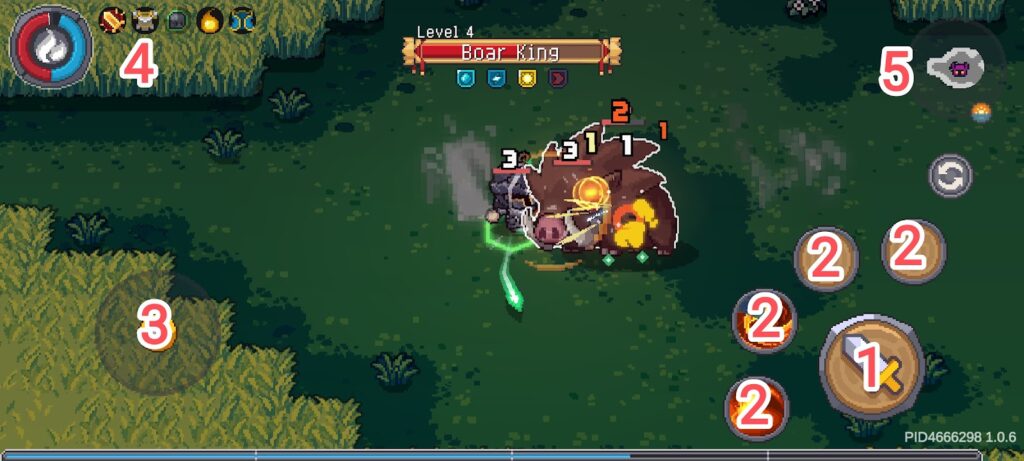
| Legend | Name | Description |
| 1 | Basic Attack | Allows you to execute basic attacks based on the weapon you have equipped. Holding this button also allows you to charge up your attack, which allows you to add more damage or range to it. |
| 2 | Skills | Allows you to cast the skills you have learned depending on your class. Swiping up or down allows you to switch between two weapon slots, which gives you the ability to use up to eight different skills or items and swap between two weapons during combat. |
| 3 | Movement Joystick | Allows you to move in any direction you want. |
| 4 | Menu Button (left) & Status Effects (up) | Allows you to open your character Menu (left) and see status effects that are currently active on your character (up). |
| 5 | Minimap | Allows you to see the map of the location you’re currently in. If you’re in a dungeon, unexplored areas will be grayed out until they are explored. Clicking on it allows you to enlarge or minimize the minimap. |
Classes

There are seven different Starter Classes in Soul Knight Prequel. Here’s a brief rundown of what each of them can do:
| Starting Character Class | Class Description |
| Warrior | A veteran hardened by countless battles and a master of melee weapons. |
| Archer | A sharpshooter with uncanny precision and a master of ranged weapons. |
| Tempest Mage | Devoted to harnessing the primal forces of tempest and a master of elemental ice and lightning. |
| Animancer | A special class that can summon a variety of dangerous creatures to do battle for them. They can only be unlocked through the Gold Medallion |
| Aegis | Steadfast as a bulwark of iron, Aegises excel in their defensive capabilities. |
| Thief | A silent shadow that waylays foes with devastating bursts of damage. |
| Pyromancer | An adept seeking the secrets of elemental fire and a consummate wielder of fire magic. |
Upon reaching Level 5, you can choose a Secondary Class which will give you access to another Starting Class's exclusive skills.
Choose your Secondary Class carefully, as they will determine your Prestige Class in combination with your Starting Class!

Your Prestige Class can be unlocked at Level 8. Your Prestige Class is the combination of your Starting Class and Secondary Class, and choosing one gives you access to another array of class-exclusive skills.
| Available Prestige Classes | Required Class #1 | Required Class #2 |
| Assassin | Warrior | Thief |
| Artillerist | Archer | Pyromancer |
| Bastion | Aegis | Archer |
| Elementalist | Pyromancer | Tempest Mage |
| Heretic | Pyromancer | Animancer |
| Stormblade | Thief | Tempest Mage |
| Stormwarden | Aegis | Tempest Mage |
| Pyroknight | Pyromancer | Warrior |
| Ranger | Archer | Thief |
| Warliege | Aegis | Warrior |
| Shinobi | Thief | Animancer |
| Soul Keeper | Aegis | Animancer |
Stats
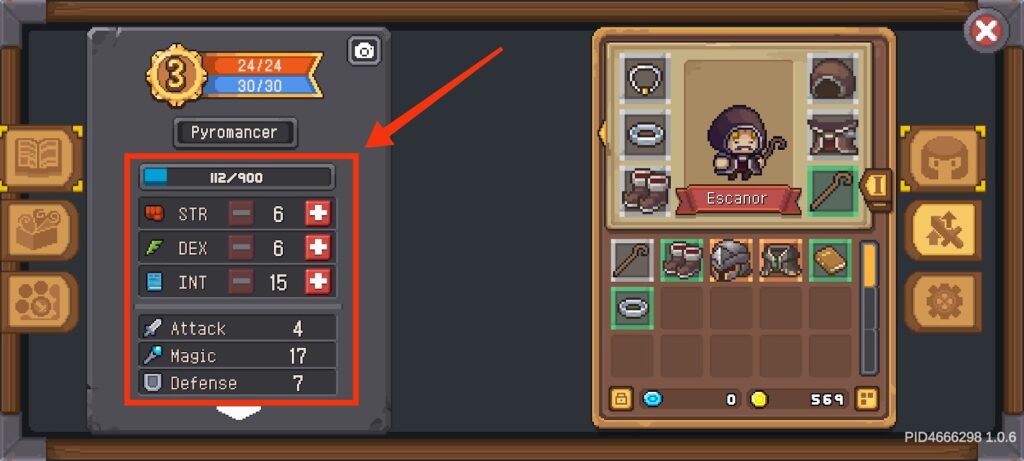
By leveling up, you can collect Stat Points which you can allocate between three different stat types in the character menu:
- Strength (STR) affects your HP and attack power.
- Dexterity (DEX) affects your movement speed and evasion rate.
- Intelligence (INT) affects your mana regeneration and magic power.
NOTE: In addition to stat allocation after leveling up, you can also gain bonus stats for STR, DEX, and INT from equipment.
Skills

You are also given Skill Points whenever you level up, which you can spend to acquire or upgrade exclusive class skills depending on which Starting Class, Secondary Class, and Prestige Class you’ve picked.
Upgrading a skill improves its overall effects but at the cost of consuming more Skill Points every time you upgrade them.
Keep in mind that there are two skill types that you can unlock in the game:
- Passive Skills are skills that provide you buffs and stat bonuses. They are permanently in effect and cannot be used during combat.
- Active Skills are skills that either deal damage or support you during combat. They have cooldowns, cost mana to activate, and can only be used once they have been set up in your Weapon Slots.
Equipment
All Equipment pieces in Soul Knight Prequel have Stats, Fatebound Effects, and Modifiers—as shown in the image below:
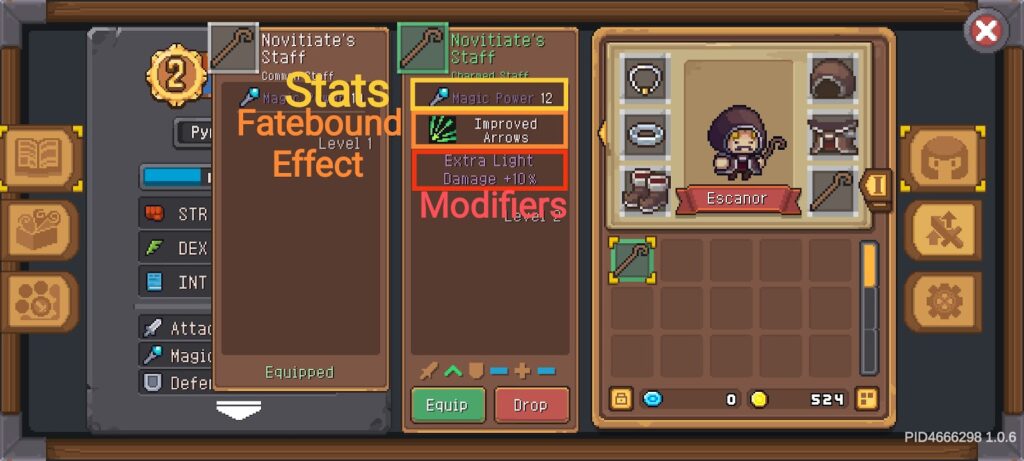
- Stats determine which specific stat they increase in your character. They can either be attack power, magic power, defense, or defense depending on what type of equipment piece you’re wearing.
- Fatebound Effects determine the type of Fatebound Node/s an Equipment Piece belongs to. If two or more pieces of equipment with the same Fatebound Effects are equipped, the effect will be automatically activated.
- Modifiers provide you with additional buffs to either your stats or skills. Similar weapons can provide you with different modifiers depending on RNG.
Equipment can also be further divided according to their rarities. Generally, the higher the rarity, the better the equipment piece performs during combat:
| Equipment Rarities | Color |
| Insane (Highest) | Red |
| Legendary | Gold |
| Epic | Purple |
| Rare | Blue |
| Charmed | Green |
| Common (Lowest) | White |
Soul Knight Prequel: How To Progress & Get Stronger
In this section, we’ll tackle all the different methods you can use to strengthen yourself in Soul Knight Prequel.
Method #1: Get Better Equipment & Enhance Them
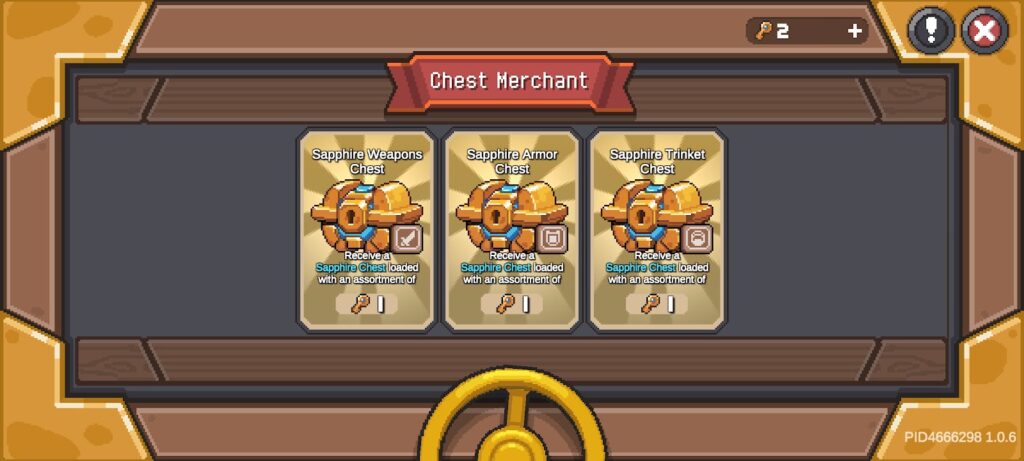
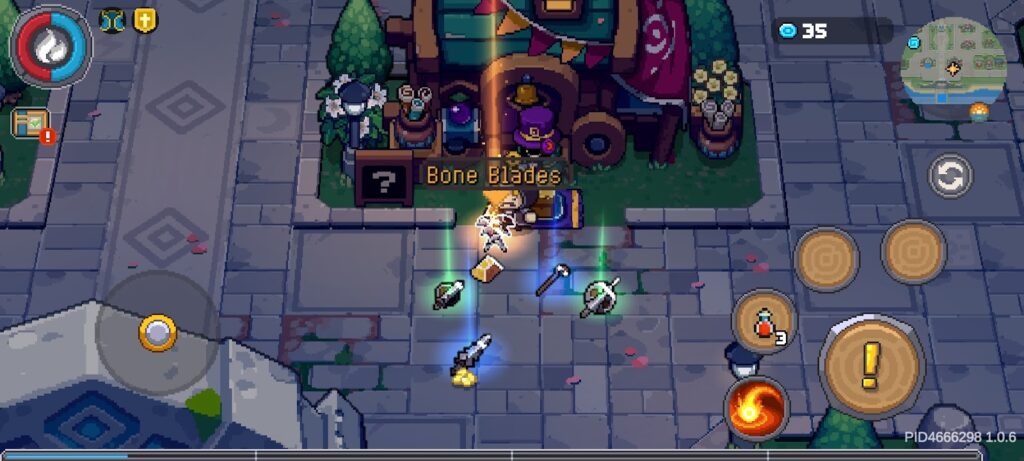
Just like in Soul Knight, the name of the game in Soul Knight Prequel is continuously grinding for new equipment with better stats and modifiers.
There are two main ways that you can get equipment—opening chests in the Chest Merchant’s shop or looting them from instanced areas/dungeons.
In the Chest Merchant’ shop, you have a 9.8% chance of acquiring Legendary pieces of equipment whenever you open a chest, and you are guaranteed a Legendary every 10 opened chests.
You then have a 90.2% chance of getting either non-legendary gear, equipment-enhancing materials such as Hephaestite and Lydite, or Bullions.

Once you’ve gathered the equipment you want from the Chest Merchant’s shop or dungeon loots, don’t forget to enhance them to increase their stats and give them additional modifiers!
TIP: Getting the right modifiers to go with high-level and high-rarity gear is the key to becoming OP—especially in the late game where your skills can scale tremendously off of modifiers.
Method #2: Optimize Your Stat Point & Skill Point Distribution
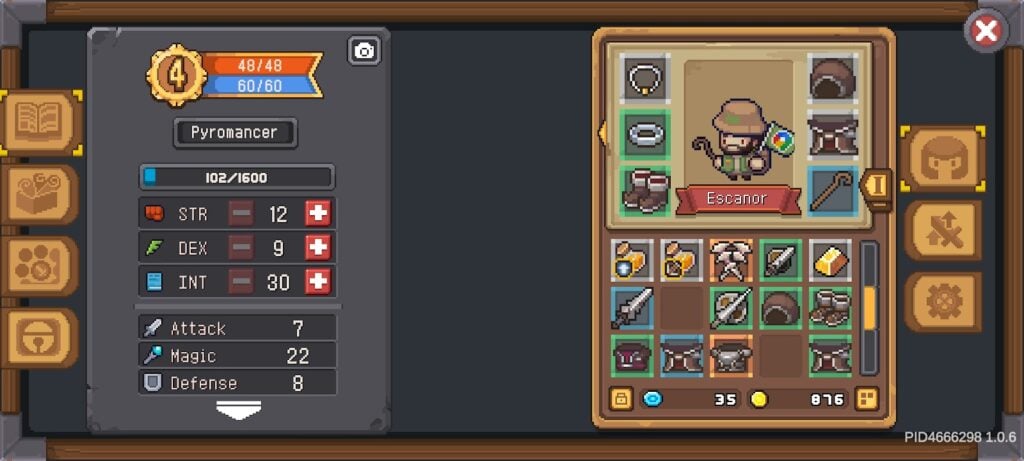
Choosing the correct stat to invest most of your Stat Points in is also very important if you want to maximize the performance of your character.
Generally, you’d want to invest more in the stat that your skills scale off of. For example, a Pyromancer or a Tempest Mage uses skills that are reliant on Magic Power, so it would be wise to invest in the INT stat.
An Aegis or Warrior, on the other hand, performs better with higher HP and Attack Power, so investing most of their Stat Points in STR instead would be ideal.
Method #3: Keep An Eye On Your Fatebound Nodes
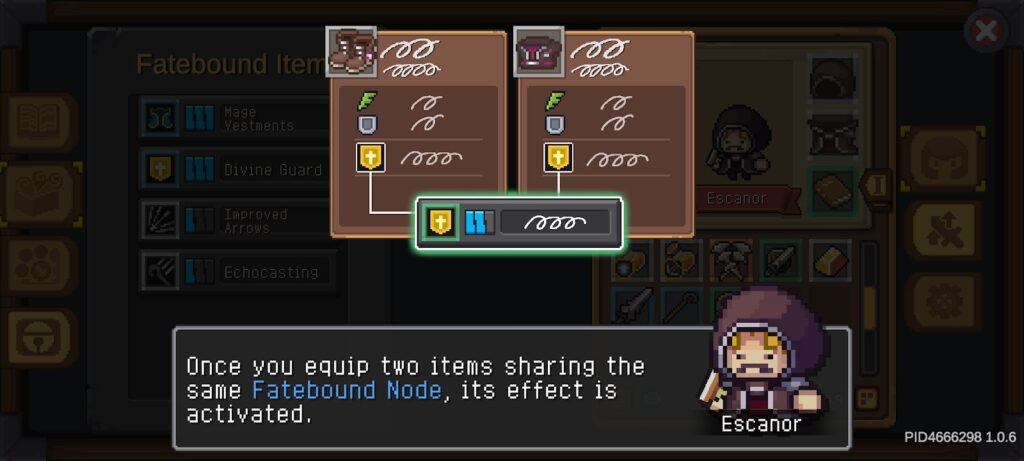
Your Fatebound Effects can be considered as active “set effects”, and a Fatebound Node will only be activated whenever two or more pieces of equipment that have the same Fatebound Effects are equipped.
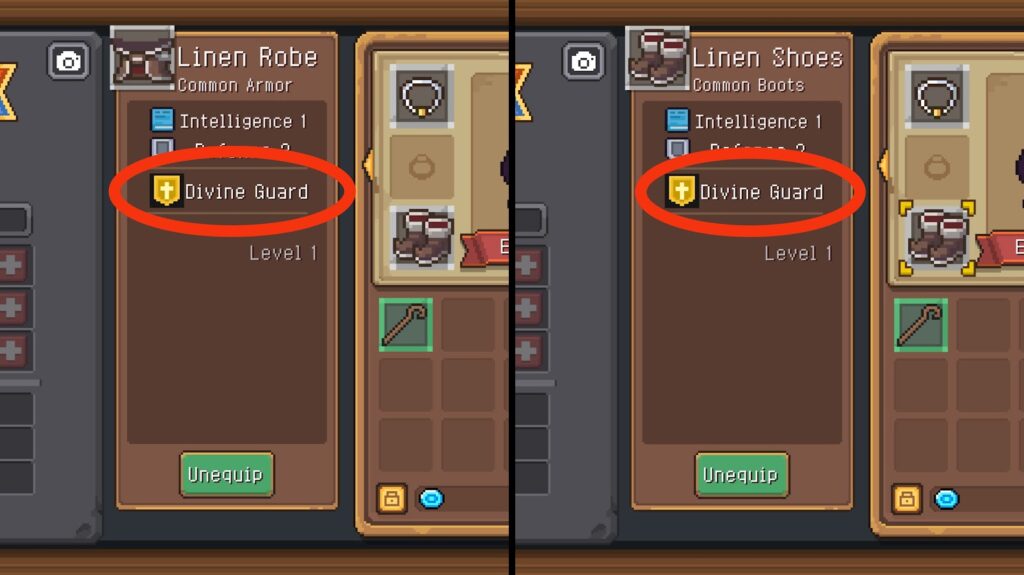
For example, the Linen Robe and the Linen Shoes shown in the image above both have Divine Guard as their Fatebound Effect.
When equipped together, they will add two nodes of Divine Guard to your Fatebound Nodes, which automatically activates the effects of Divine Guard.
Equipping an additional piece of gear that has Divine Guard will then increase its Fatebound Node to 3, which fully upgrades the effect.
Soul Knight Prequel: Top Five Gameplay Tips
Listed below are five of the best gameplay tips that you should follow if you want to progress smoothly in Soul Knight Prequel.
Tip #1: Always Do Your Daily Quests
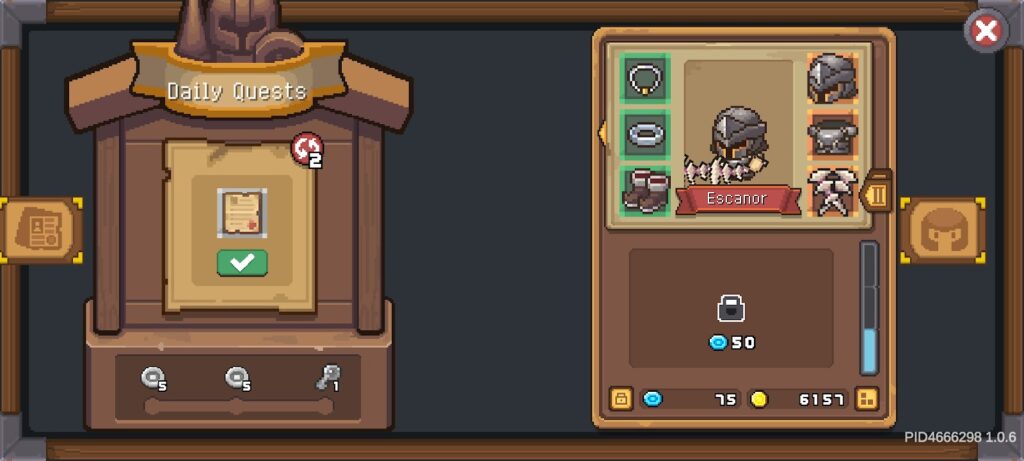
Daily Quests can be taken from an NPC called “Sherriff” who's located in the guild center.
After accepting these quests, you’ll be given a piece of paper in your inventory that explains the details of your quests, like the location you need to go to, enemies you need to kill, or which items you need to collect.
You must accept these quests whenever they’re available, as they are a possible source of Gems and Chest Keys—two of the most important items in the game.
Tip #2: Switch Between Weapon Slots Often
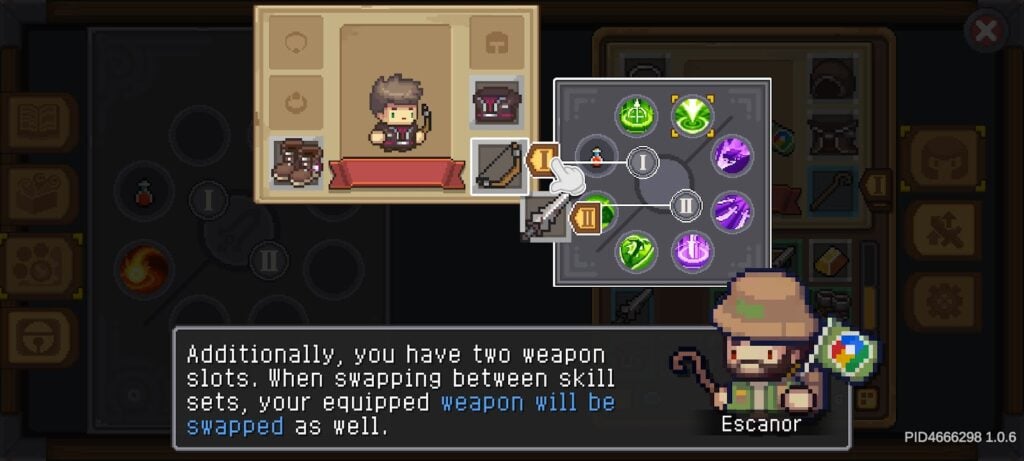
If you find yourself running out of slots to put your skills in, remember that you can just swap between two weapon slots. This will allow you to use up to eight skills, with four skills dedicated for each weapon slot.
This feature comes especially in handy if you find yourself in a situation where one damage type (Magic or Attack) isn’t effective against the enemies you're currently facing.
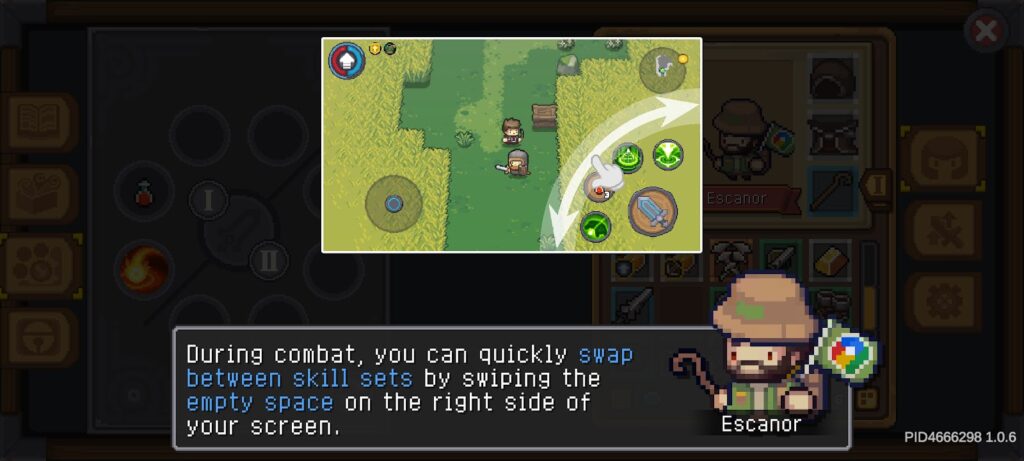
Thus, we highly recommend using two different types of weapons—one with high Magic Power and one with high Attack Power depending on your class or build, and preferably with different modifiers and stats to go with it.
Tip #3: Don’t Drop Useless Items
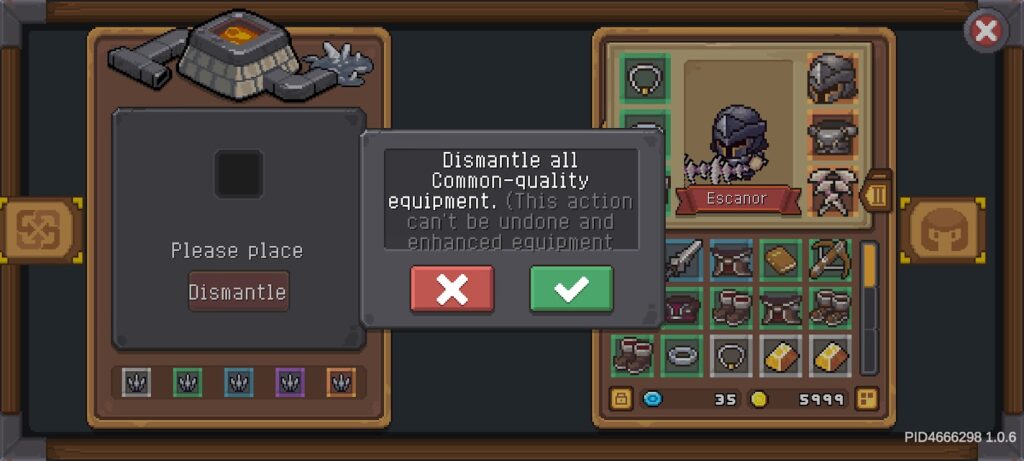
If you find yourself running out of inventory space because of equipment you won't use, don’t just drop them and leave them on the road!
Instead, we recommend either selling them or dismantling them in shops. This way, you’ll gain either Gold or equipment enhancement materials in exchange for items you don’t find any use for, which is better than nothing.
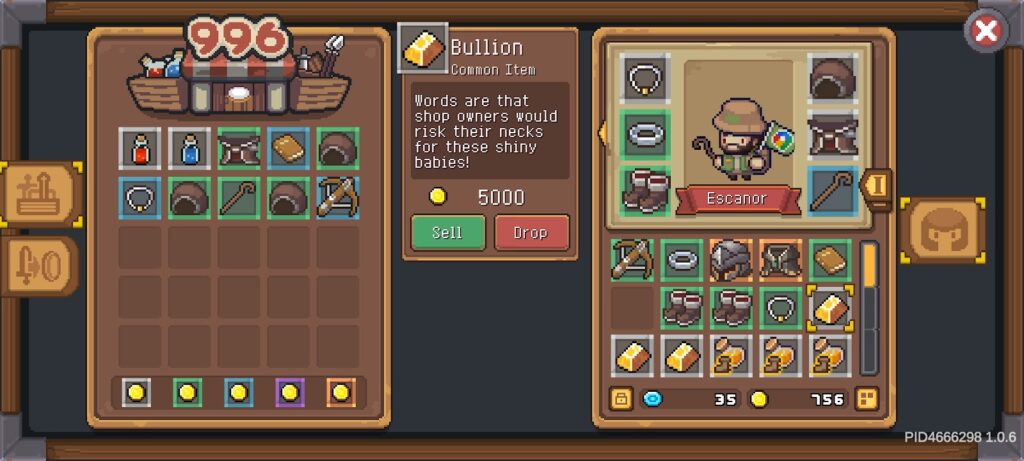
Even while you’re out exploring a dungeon, you can still visit a shop or a dismantling forge at a campsite that usually appears in the middle of your expeditions.
Loot everything you can on the map, then sell or dismantle all the useless stuff in the campsite!
Tip #4: Explore Dungeons To The Fullest
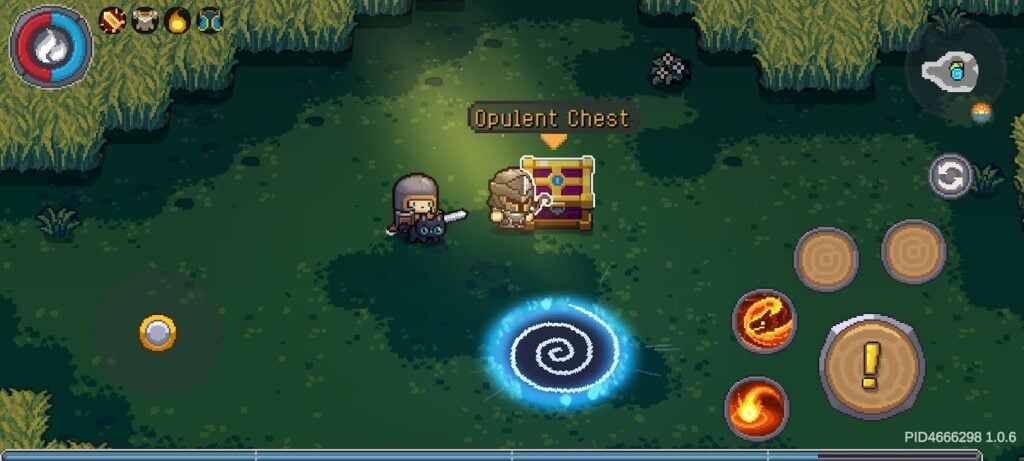
If you want to get the most out of each dungeon, then we highly recommend exploring their maps fully—leaving no area in the minimap grayed out or unexplored.
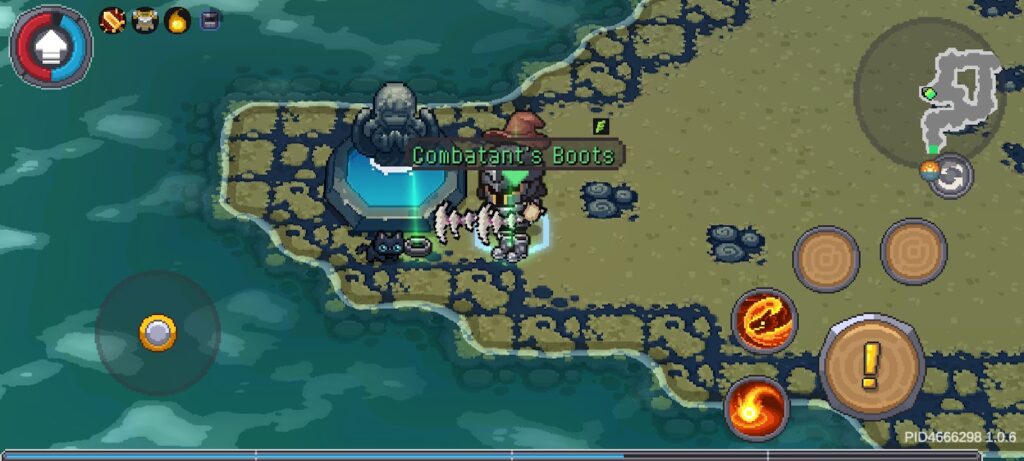
This doesn’t just mean wandering to all areas but also smashing breakable objects, opening chests, and even finding special loot sites like the Wishing pool shown in the image below:
Tip #5: Go On Multiplayer To Clear Instances Or Farm Gear Easier
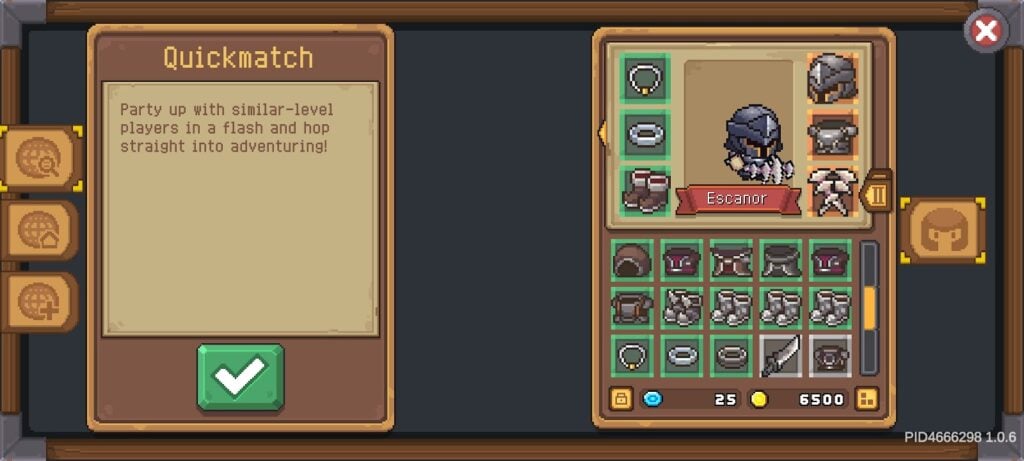
If you’re having trouble clearing a dungeon stage, feel free to use the Multiplayer feature and get other players to help you out.
You should also do this if you want to farm specific pieces of equipment faster, as creating or joining a farming party can make your farming runs go much faster compared to if you were to just do it solo.
Conclusion
Despite being a newcomer to the genre, Soul Knight Prequel is most definitely one of the best RPG/rogue-like hybrid titles in the mobile gaming scene already.
The overall gameplay of Soul Knight Prequel is quite simple, as it follows the same grind-upgrade-grind playstyle of Soul Knight, albeit with a more cohesive storyline, multiplayer, and casual side content.
If you’d like to play more rogue-like games like Soul Knight, feel free to visit our articles about Vanpire Survivors and 6 Mobile Games Like Vampire Survivors!