





Social media platform Twitter distinguished itself early on when it imposed a limit of 140 characters on the messages – tweets – posted by users. This resulted in much creativity on the part of users and help spur a drive for brevity when posting messages. Over time that limit turned into a bit of a two-edged sword for Twitter as the fan base grew leading to ever more complaints about the seemingly arbitrary limit. In their latest attempt to address the 140 character limitations, Twitter announced they have started tests to allow 280 character posts.
The move to expand the limit on characters used in tweets follows other tweaks the platform has instituted over the years. For instance, Twitter stopped counting URL links and some tags against the 140 character limit in the past. In the direct message function they pushed the character limit up to 10,000 characters. Although any change to Twitter seems to trigger some segment of users, changing the tweet character limit would not be the first time Twitter has made changes to how things work.
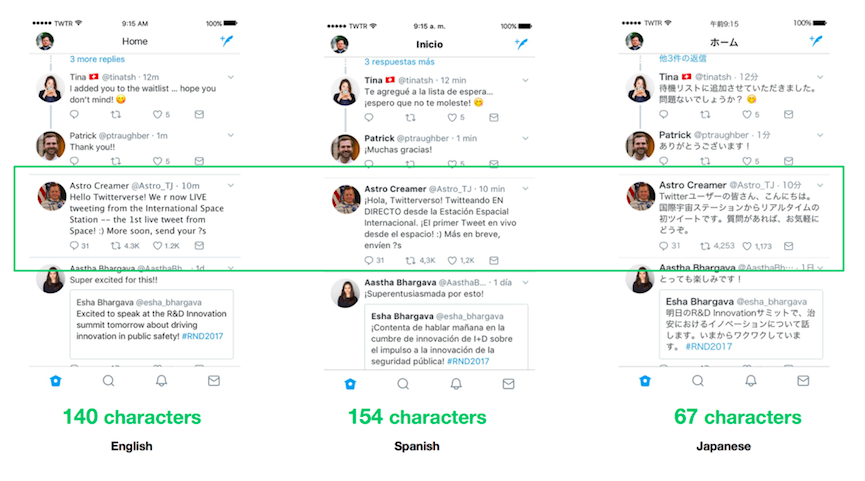
According to Aliza Rosen, Project Manager for Twitter, part of the impetus for the change was the realization that several languages, including English, are not as efficient with the transmission of thoughts and ideas as other languages. In particular, she points to Asian languages like Japanese, Chinese and Korean which can convey twice the amount of information per character as many other languages. Rosen calls this impact “cramming” an the company is applying the new 280 character limit only to users employing a language that suffers from cramming. To support the decision, Rosen shared some stats comparing the percentage of tweets that consume the entire 140 character limit. The bottom line for Twitter is that usrs are more likely to post when they don't have to deal with cramming.
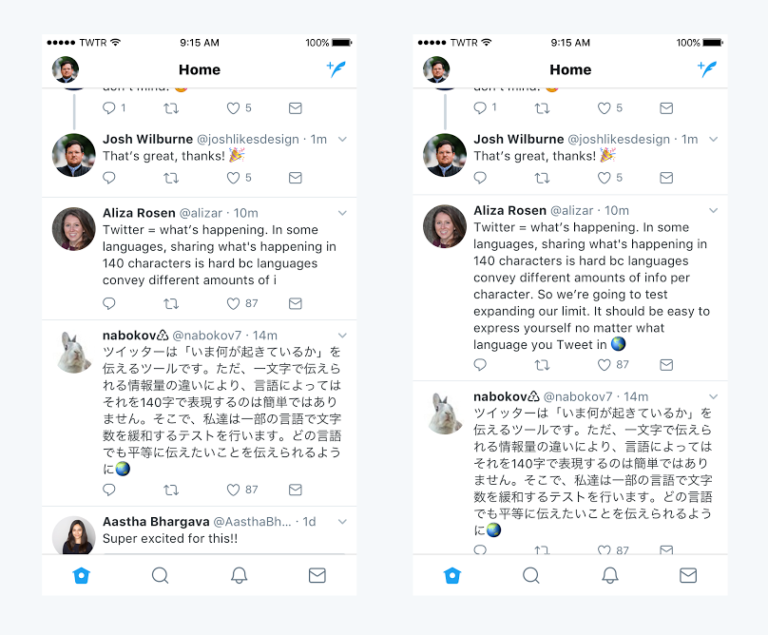
For now, Twitter is just testing the new limit with select users. The company will be gathering data and feedback with an eye toward a platform-wide change. As expected, reactions have been mixed so far among Twitter users. What do you think of this change?
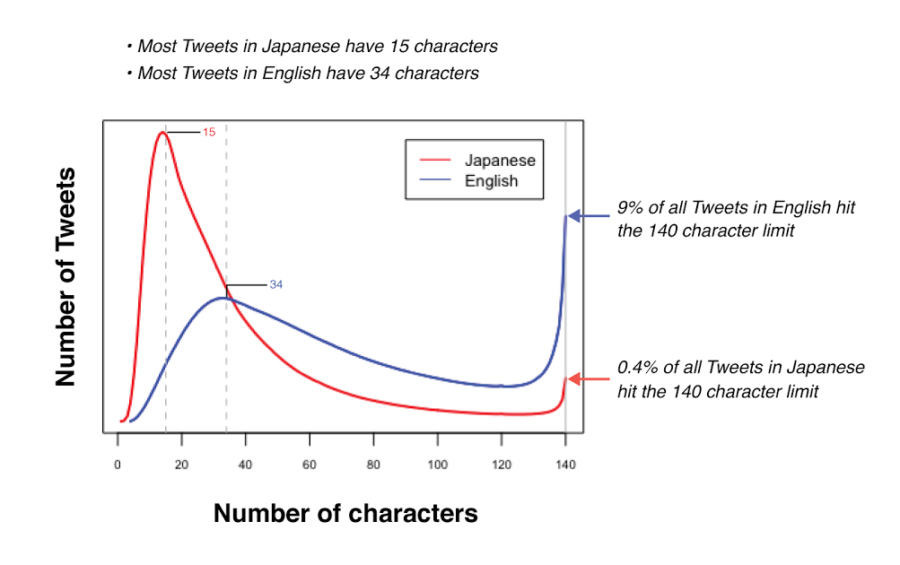
source: Twitter
