




There's no doubt about the impact of gaming in our society today. Much of pop culture and our social lives are impacted by gaming to a certain extent. Angry Birds went from being a small app to a pop culture reference in the form of mentions from celebrities and clothes with Angry Bird characters being sold in designer stores now as noteworthy examples. We see celebrities and famous figures discuss how they play Modern Warfare or Grand Theft Auto and the impact it's had on their lives', which in turn affects our lives. Let's face it, we play games on our Android devices. What once was an afterthought because of our Sony PSPs, Nintendo DS systems, Xboxes— is now very much status quo and the norm to even the average and simplistic Android user.
The continuous advancements from the development of games allows for users to have respectable Android gaming experience at the very least. One significant thing about the Android platform is the significance of the choice of apps that users want to use: paid apps or free apps. This is especially relevant with gaming on Android. The Android platform caters to two main categories of Android gamers: the recreational gamer and the hardcore gamer. The recreational gamer (and even Hardcore gamers to a certain extent) can enjoy popular gaming series such as Angry Birds, Words With Friends and Shoot The Apple, at no cost to them generally speaking. The hardcore gamer can enjoy such games as Modern Combat 3, Grand Theft Auto III, Madden '12 and Need For Speed just to name a few, for a premium price that is more than reasonable especially with the vast amount of content included in the various games. There's a consensus that both gamer types love seeing games that are free, especially when they are free games that look and play at a high level. Knowing that, there's a troubling trend growing among developers of Android games found in the Market— the “Freemium” model. Read on to find out why this is not only a bad practice among developers, but why it turns me as a gamer off to certain games, even if they look and feel great.
Let's start with a brief background of what a “freemium” game means. “Freemium” is an expression for the Free-To-Play business model a lot of developers use to entice gamers. Here's a basic depiction of how it works: you see a game in the Android Market, you download it and immediately begin to play it. “Freemium” games almost always include the opening level of a game which includes a very small number of enhancements, power-ups and customizations you can apply in the game. Think of this as a sample of food, a test-drive of a car or more specifically a playable demonstration of the game. When you complete your run in a particular level or section of that particular game, “freemium” game will then “encourage” you to make an in-game purchase in order to progress further in the game, otherwise you will not be able to progress any further. Many of the features are completely grayed out and unavailable— that is unless, you pay for them. To sum everything up– a “freemium” game means that a game is free to start off with and play, but if you want to continue to play, you need to pay.
Many of these developers continue to develop these “freemium” games, but there are a few who are against it too. Take for example, video game giant Namco Bandai. Industry Gamer reported Namco Bandai believes the practice of developing these types of games diminish the overall quality of games moving forward. Here's Senior VP for Europe Oliver Comte and his thoughts on this trend:
“Free-to-play games can’t be high quality. We need to put certain value on certain work. When you’re a big company, you can’t take risks too quickly, you can’t make a change just because there’s a fashion for a couple of years; you want to be there in 20 or 30 years”.
Comte is a bit extreme in his argument, but you can look at the bigger picture. I disagree with his idea that “freemium” games can't be high quality. In fact, many of the games are as good, if not better than the regular paid games. This is especially true as Namco Bandai hasn't really had a noteworthy or solid game for Android. Yet, you can also argue that “freemium” games could potentially become stagnant in quality especially if those games skimp on important key features.
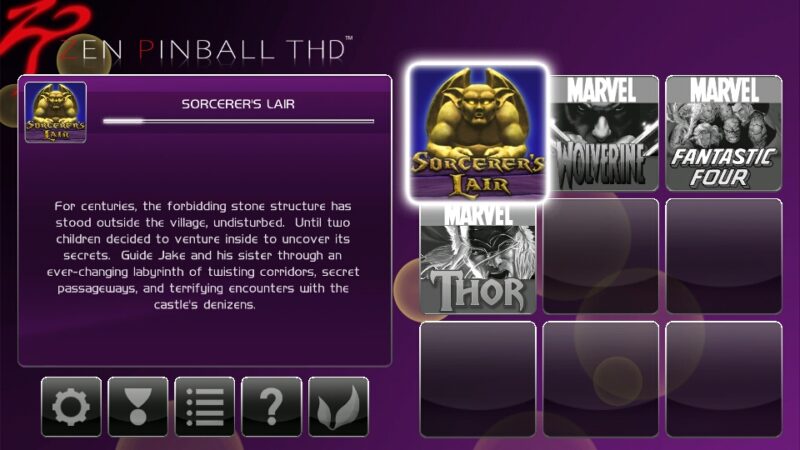
Now the significance of “freemium” games is apparent. Many games allows you to purchase game-changing or even necessary upgrades, power-ups and other enhancements which takes games to another level— for the better of course. This is especially true when you play great games like the great Dungeon Defenders series. Then there is the other side of the picture where you see a “free” game essentially require you to make an in-game purchase in order to move forward— case in point: a great pinball game called Zen Pinball THD or sadly even the Dungeon Defenders series. These games include some great content that leave you yearning for more. So why do developers choose not to present these “freemium” games as a demo instead of a whole game. It's terribly misleading to users of the Android apps and games. After all, most of these fremium games not only include just one level, but they lack many of the enhancements found in the latter part or “full” versions of the games.
If you're going to offer just one level of a game, why not just market it as a demo instead of a “free” game that really includes only one level?
Gaming companies should look at the bigger picture: gamers are willing to pay to play— just don't mislead us. Considering the gaming on Android represents a pretty significant chunk of the mobile platform pie as a whole, there should be no reason why game developers think it's necessary to mislead gamers into thinking they are getting a free game, but really being deceived more or less. There's no shame in marketing a particular game as a demo. If anything, it would perhaps give more incentive for gamers to seek more out of the game and pay more money to see more content. We as gamers understand that developers need to make their money through in-game advertisements or in-game purchases. Let's be clear: I personally have no problem with paying for more content in a game. I like seeing further aspects of a game. I do however, have a problem with games that are marketed as “free” but they're really not. This misleading can turn many gamers off and in essence, push them away from spending more money, receiving more content and enhancing the overall experience of our games.
In closing, the point of this opinion piece is just to point out developers' continued stances of offering “freemium” games and a humble gamer's objection to the whole practice. If you're going to offer just one level of a “freemium” game, stop offering the game as a free premium game when it's really a glorified demo. Most gamers are willing to pay for content— just look at how Android gaming continues to dominate the overall video game share. However, developers need to be weary though of the power of communication among gamers— both recreational and hardcore. Gamers who feel mislead by the practice of free-to-play games will take to the streets, message boards and social mediums in order to discourage other fellow gamers from buying future games from those such developers. Perhaps developers may want to develop both a “freemium” version and an actual full version of a game. Many gamers are more than willing to pay a premium price or a standard monthly subscription to play certain games similar to how it's done with the Xbox Live service. Just some food for thought.
[Namco story is via Phandroid by Industry Gamers]

Well put Chris. I am also an indie game developer and it is next to impossible to get noticed and even more difficult to get a professional reviewer to look at your app for little or no money. That means very limited avenues for advertising.
The first game I developed had a free (lite) version and paid version. I pledged not to put ads in the free version because it was a demo and I thought it detracted from the users experience. 20,000 people downloaded the free version and only 200 downloaded the paid version. Both were a lot of work, and a 1% conversion rate is…well….shit. I put 6 months into the game and would gladly have put more time in if I was able to make enough money to justify the work. It seems Android users and smartphone users in general expect everything to be free. My paid version was only $1.49. Hardly a bank buster and that brought double the number of levels compared to the free version and some other great features and options. The truth is, developing games is hard work and takes time, so developers deserve a little compensation. Imagine if all 20,000 had paid $1.49. After Google’s cut, I could justify 6 months of work for $20,000 and continue to build ever better games as my skill increased. For $200, I can’t even justify a weeks work. Gamers get what they pay for and since they aren’t willing to pay, they get freemium. Soon everything on Android will be freemium just to survive.
As an indie game developer and have strongly considered using the freemium model. Without a big marketing budget it’s difficult to get a large number of people to download your app (I estimate it takes thousands of downloads per day just to make it to the top new apps list at any position which will be noticed), so it’s important to ensure you don’t turn off users before they have a chance to play and find value in your game. I agree apps shouldn’t say “Free” when they really aren’t in any promotional material, but charging a flat rate can turn away users before you have a chance to gain popularity, causing it to slowly sink to the bottom of the pile of 500K apps.
In addition, there are 2 strong reasons to use the freemium model. First of all it’s better for users, because if they’ve been play the demo they probably don’t want to start over when they move to the pay model. There are ways around it, but they’re either a hack (ex. the demo reports the progress to the paid version if they’re both installed, or the content is stored permanently in a place where both apps have access – but this can leave residual data on your device if you delete the apps without cleaning it) or costly (ex. storing the data on a server you pay to maintain). The other reason is that app ratings and market position can’t be shared between a demo and paid app. You could have the most popular demo app every, but it only a few people download or rate the pay app it can hurt overall downloads of the pay version.
Sure, in some cases it may seem like a dirty trick to get you hooked on a game and then let you know that if you want to continue to enjoy it you’ll need to pay, but if it’s a good enough game it will bring more purchases than it will frustrated users. Developers could be up front and tell users that once they reach a certain point they’ll need to pay, but if you saw that at the top of a description, wouldn’t you just move on to one of the many high quality fully free apps instead (usually ad supported, because users churn on them for tons of hours, like Angry Birds, which doesn’t work as well for level based games)? Maybe you wouldn’t, but average users tend to, especially if they aren’t gamers (I do it too), and even just a small percentage of users lost can be the difference between a hit and an app that never gets noticed. Just remember the next time you play a free game without ads, if it looks too good to be free it probably is, but in that case don’t developers deserve to get paid, even just for what you’ve already enjoyed playing?