


Samsung Display has agreed to buy a 9.1% stake in ams OSRAM, the Austrian optical semiconductor company, for about €210 million. The deal makes it ams OSRAM's largest single shareholder. The two companies will also work together on ultra-small Micro LED technology. That could eventually give Samsung a screen option beyond OLED for phones, smartwatches and headsets.
Samsung Display announced the deal on November 25, 2026. It's expected to close in early 2027 once the required approvals are in place.
What the deal involves

Samsung Display isn't buying existing shares. It's subscribing to 9,984,439 newly issued ams OSRAM shares, and that purchase brings its holding to 9.1%. At roughly €210 million, the deal puts Samsung's display arm ahead of every other single investor in the company.
The share purchase comes with a separate development agreement. Under it, Samsung Display will test how well ams OSRAM's very small LEDs perform. It will also work out the manufacturing processes needed to turn those LEDs into Micro LED displays at scale. The companies say the goal is better, more efficient Micro LED technology that costs less to produce.
Samsung Display CEO Chung Yi described the investment as part of the company's plan to get ready for coming shifts in display technology and to find new areas of business. The partnership is meant to widen Samsung Display's business beyond OLED, where it's already a leading supplier, and to strengthen its position in the display market.
ams OSRAM brings deep LED experience. The company was formed in 2020 when ams AG and OSRAM merged, and the OSRAM side goes back to its founding in Berlin in 1919. Today it makes high-power and miniaturized LEDs, including Micro LEDs, as well as laser diodes, automotive and general lighting, and sensors for heart rate, infrared, spectral imaging and LiDAR. It also knows how to make LEDs smaller and produce them in high volume. That's the expertise Samsung Display needs.
Why Micro LED matters for phones and watches
Most Android flagships, Samsung's Galaxy phones included, use OLED panels today. OLED offers perfect blacks, very high contrast and wide viewing angles. But its organic materials wear over time, which can lead to burn-in and limits how long a panel lasts.
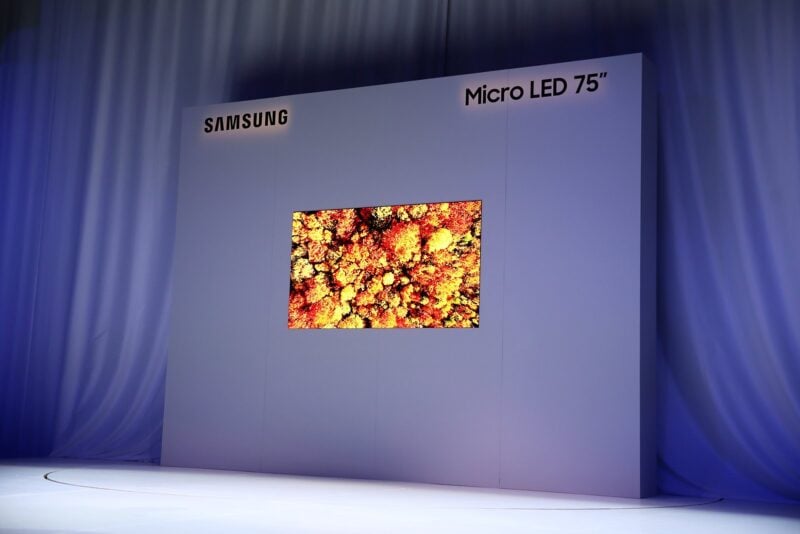
Micro LED is built from tiny inorganic LEDs that each give off their own light, so no backlight is needed. The technology promises image quality similar to OLED with much higher brightness, a longer lifespan, no burn-in and more freedom in design. On a phone, that could mean screens that are easier to read in direct sunlight. On a smartwatch, it could mean always-on faces that don't leave ghost images behind.
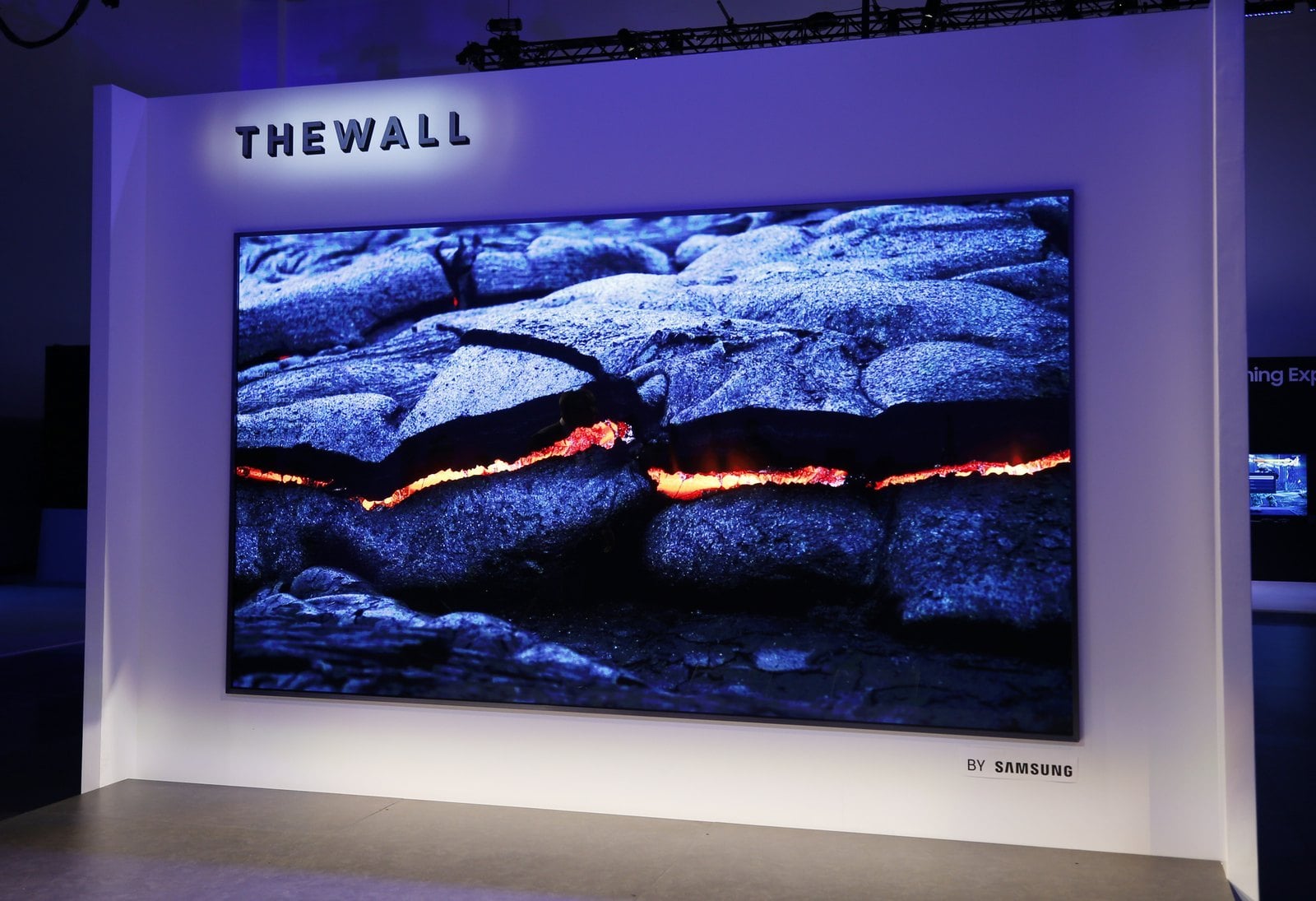
The catch is manufacturing. Micro LED panels are hard and expensive to make, and shrinking the LEDs enough for a small, high-resolution screen is especially difficult. That's why Micro LED TVs exist today only as very large and very expensive sets. As of November 25, 2026, Micro LED TVs are sold only in sizes of 76 inches and up.
Ultra-small LEDs and the processes to mass-produce them are exactly what this partnership targets. According to Samsung Display, likely uses for the resulting panels include:
- Smartphones
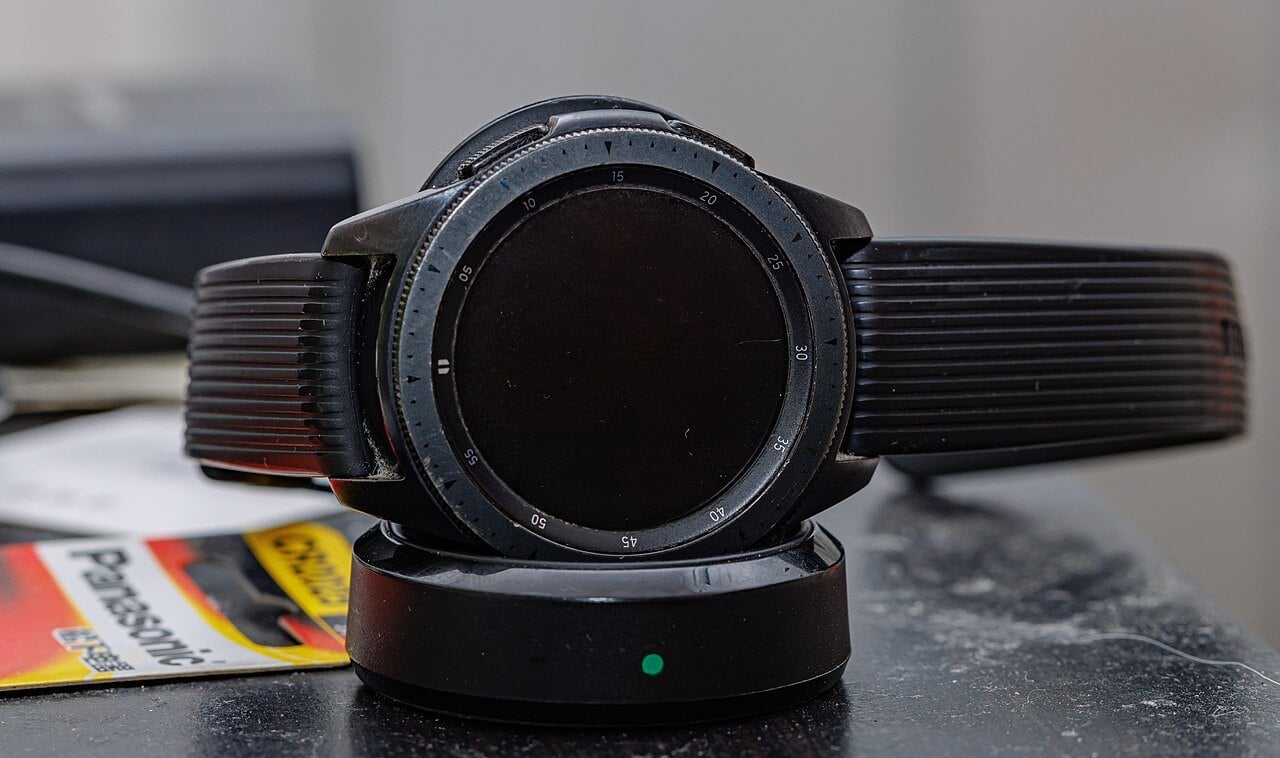
- Smartwatches
- AR, MR and VR headsets
- Automotive displays
- Smaller TVs and monitors than today's 76-inch-and-up Micro LED sets
What happens next
Don't expect Micro LED Galaxy phones soon. The announcement is about research and manufacturing, and neither company has named a product, a device category or a date for any commercial Micro LED panel to come out of the partnership.
Still, the deal shows where Samsung's display business is placing a long-term bet. Samsung Display supplies OLED panels to Samsung and other phone makers, so whatever it can mass-produce at small sizes is likely to show up across the Android world, not just in Galaxy devices.
The stake purchase still needs approvals before it closes in early 2027. After that, the next milestones to watch are Samsung Display's evaluation results for ams OSRAM's tiny LEDs and any sign of a pilot production line. Those will show whether Micro LED can move from giant TVs to the devices people carry every day.