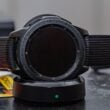

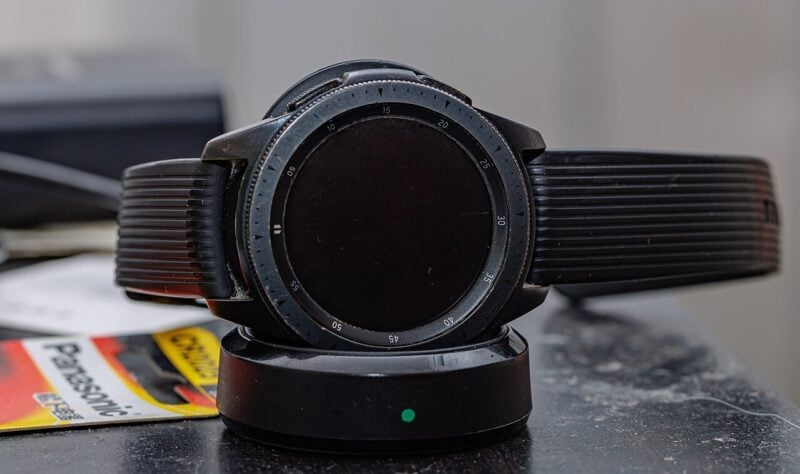
Samsung's first Galaxy Watch launched in 2018 running Tizen, and it can now run Google's Wear OS. An independent developer who goes by Depth118 has released an unofficial port of Wear OS 3.5 for the 46mm Bluetooth model, the SM-R800. Owners of the old watch can now get the Play Store, Google apps and Gemini on hardware that Samsung stopped updating years ago.
The developer published the project as an open-source GitHub repository, and posted the first build, version 1.0, on November 20. The software is based on Android 11 and uses the Pixel Watch system image RWDC.230905.003 from Google's first Pixel Watch. It does not use Samsung's One UI Watch interface. You get plain Wear OS as it shipped on Google's hardware, running on a custom Linux 4.19 kernel.
Treat this as an experiment. According to the developer, the port only works on the SM-R800 and has only been built and tested on one watch. Nobody else has confirmed it works on their unit yet.
What works on the port
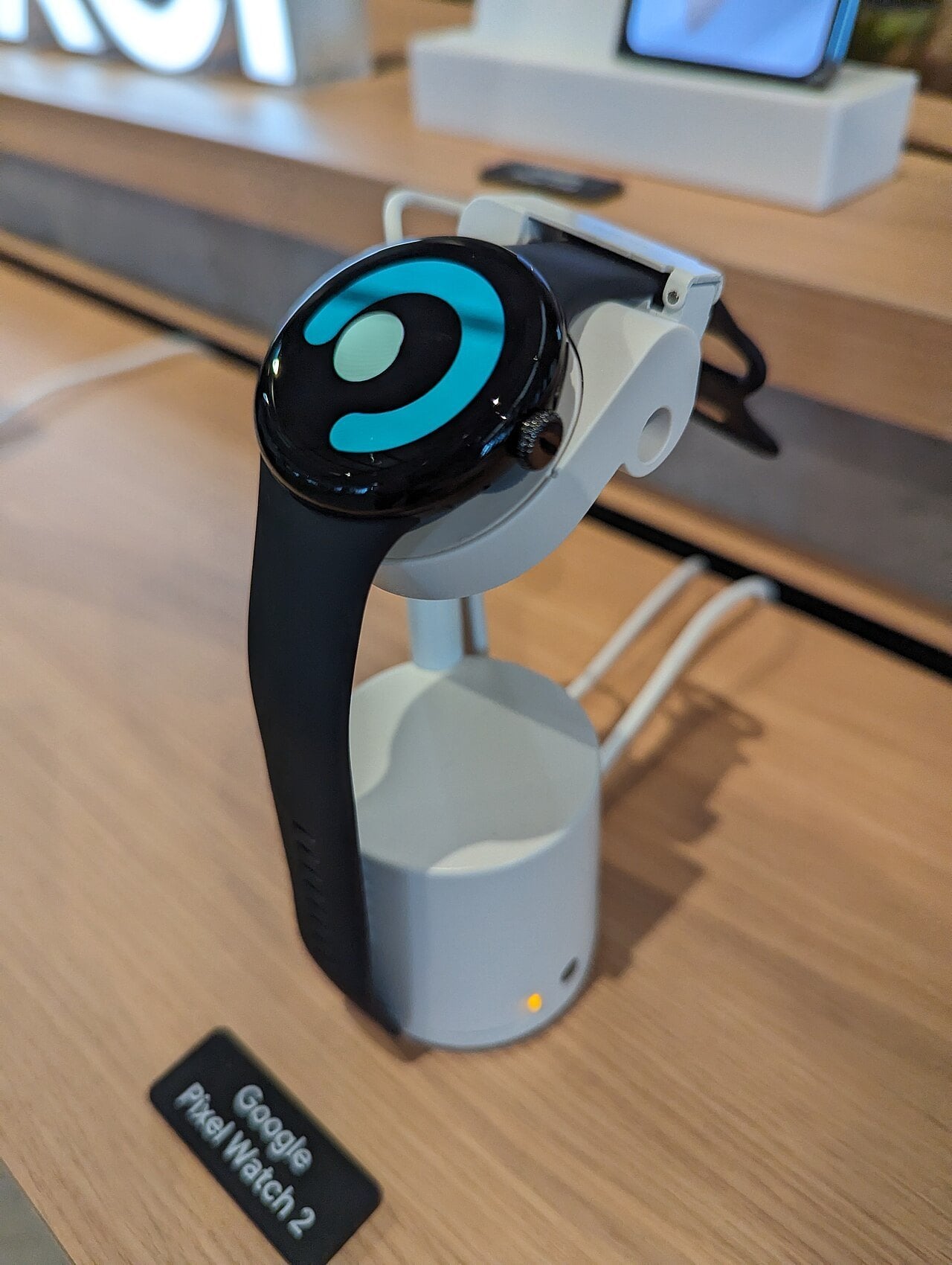
For a first release, the list of working hardware is long. According to the project's documentation, these features work:
- The display, touchscreen, both physical buttons and the rotating bezel
- Always-on display
- Wi-Fi and Bluetooth, using the watch's own factory addresses
- Pairing with a phone through the Wear OS app, with internet passed through from the phone
- The Play Store, Google apps and notifications
- Gemini, by saying “Hey Google” or double-pressing the bottom button
- The speaker and microphone
- Heart rate, step counting, the accelerometer, gyroscope, barometer and light sensor
- GPS
- Wireless charging on Samsung's charger, with a charging screen when the watch is off
- Installing updates over Wi-Fi
The developer lists one feature as only partly working: deep sleep. That's the low-power state a watch drops into when idle, so battery life could fall short of what the watch gets on Tizen.
The buttons have been remapped for Wear OS. On the watch face, a press of the top button goes back or turns the screen off. A press of the bottom button opens the home screen and app list. Double-pressing the bottom button calls up Gemini, and holding it opens the power menu.
Installing it isn't for beginners
The v1.0 release is a 684MB zip file that expands to a 2.3GB firmware package. You need a PC with Wi-Fi and Python 3, and the watch must be charged above 50%. No cable is needed. You put the watch into a wireless download mode, where it broadcasts its own open Wi-Fi network. The PC joins that network and pushes the firmware with a flashing script included in the repository.
The install deletes Tizen completely. In its place it writes Samsung's factory bootloader and partitions, taken from the company's internal “combination” firmware. According to the developer, the watch's factory data, which holds its Bluetooth and Wi-Fi addresses and sensor calibration, is not touched. The README also warns users never to flash a file called cm.bin from any firmware package, because it is tied to the watch's secure storage.
There's an important caveat. The developer says nobody has tested the install on a watch that still has Samsung's retail bootloader, which covers almost every watch still in use. If the flash fails after the bootloader step, the README tells you to put the watch back into download mode and run the same command again. To go back to Tizen, you flash Samsung's stock firmware with Odin, its PC flashing tool.
Samsung's own route to Wear OS
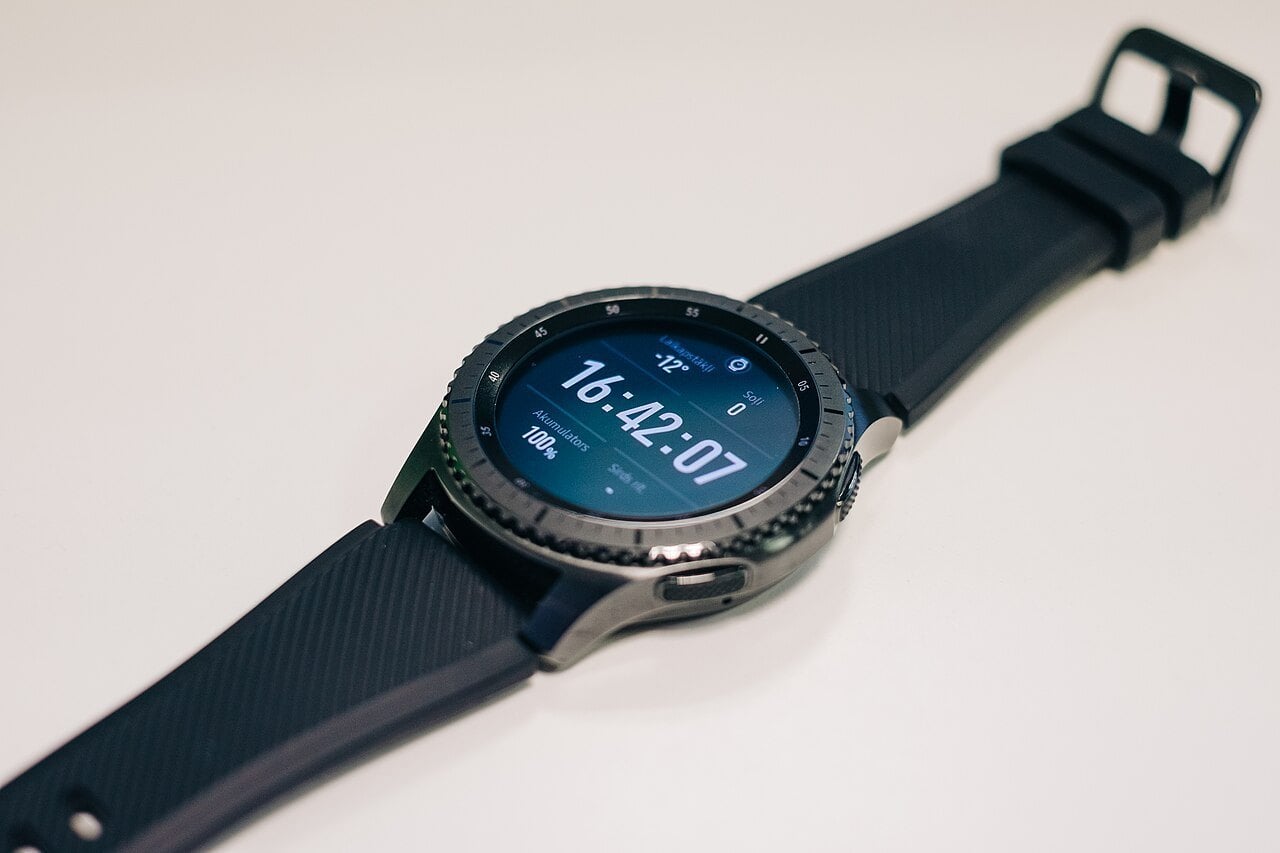
The port reverses a decision Samsung made in 2018. Before that year's Galaxy Watch launch, there were rumors that Samsung would return to Google's platform. Instead, it shipped the watch on Tizen OS 4.0, with Bixby built in, starting at $329.99. The SM-R800 was the larger 46mm version and had a 472mAh battery.
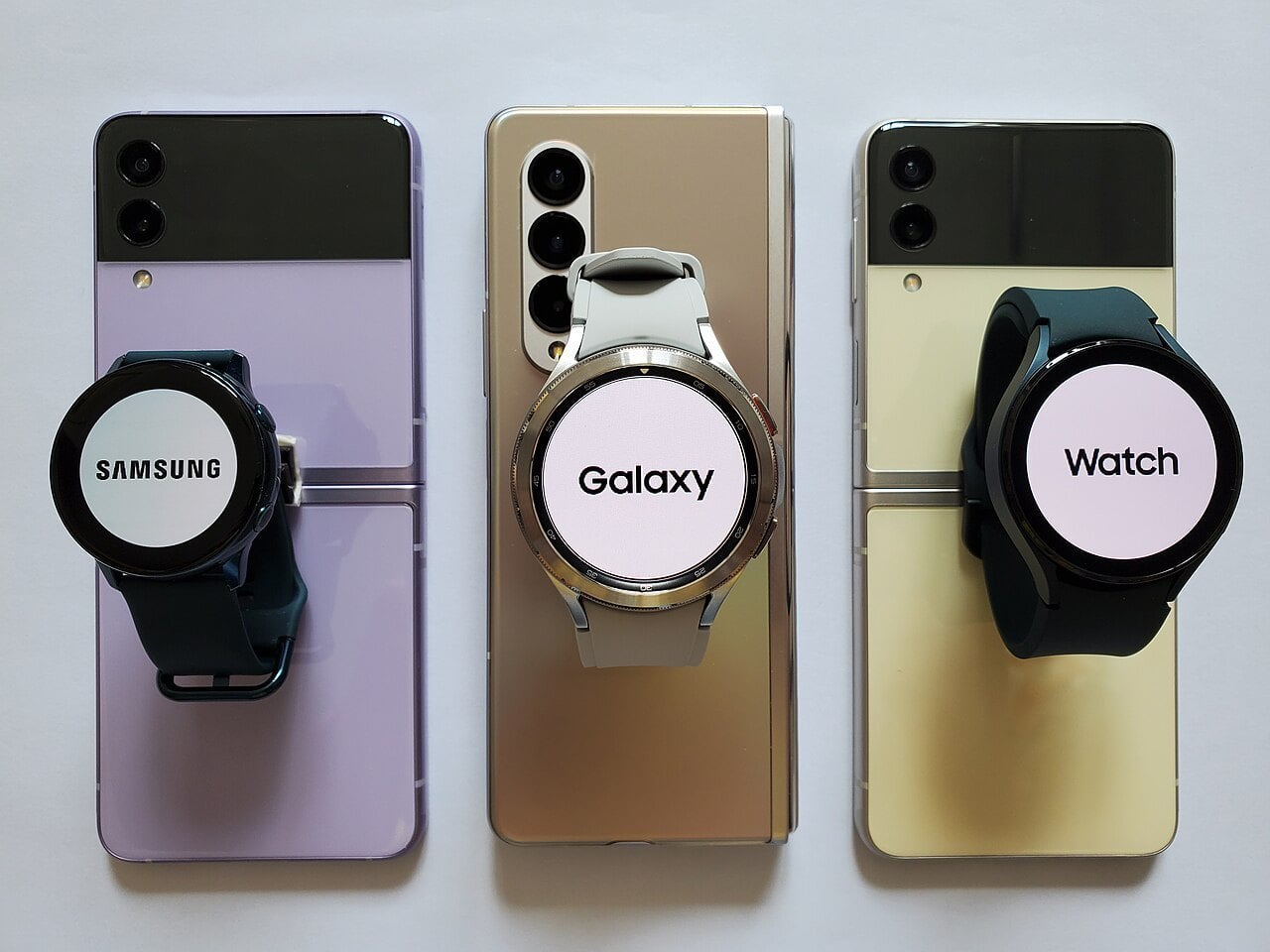
Samsung didn't move to Wear OS until 2021. That year, the Galaxy Watch4 series launched on a platform Samsung built with Google, called Wear OS Powered by Samsung, with One UI Watch on top. Every Galaxy Watch since has used it, through to the current Galaxy Watch 8 and Galaxy Watch Ultra 2. Tizen watches like the original Galaxy Watch never got that upgrade, and the SM-R800 hasn't had a firmware update since 2023.
Even with the port, the old watch won't get current software. Wear OS 3.5 is several versions behind what Samsung and Google ship on watches today, and the port lacks Samsung's own apps and features. Still, Play Store access and Gemini add a lot to a watch that was stuck with Tizen's shrinking app catalog.
Samsung and Google have not commented on the project, and neither supports it. As of November 24, 2026, version 1.0 is the only release. The developer has published the kernel patch, device tree and build scripts, so other developers can test it on more watches and help fix problems like deep sleep. Owners who don't want to risk their watch should wait for more reports from people who have installed it.