

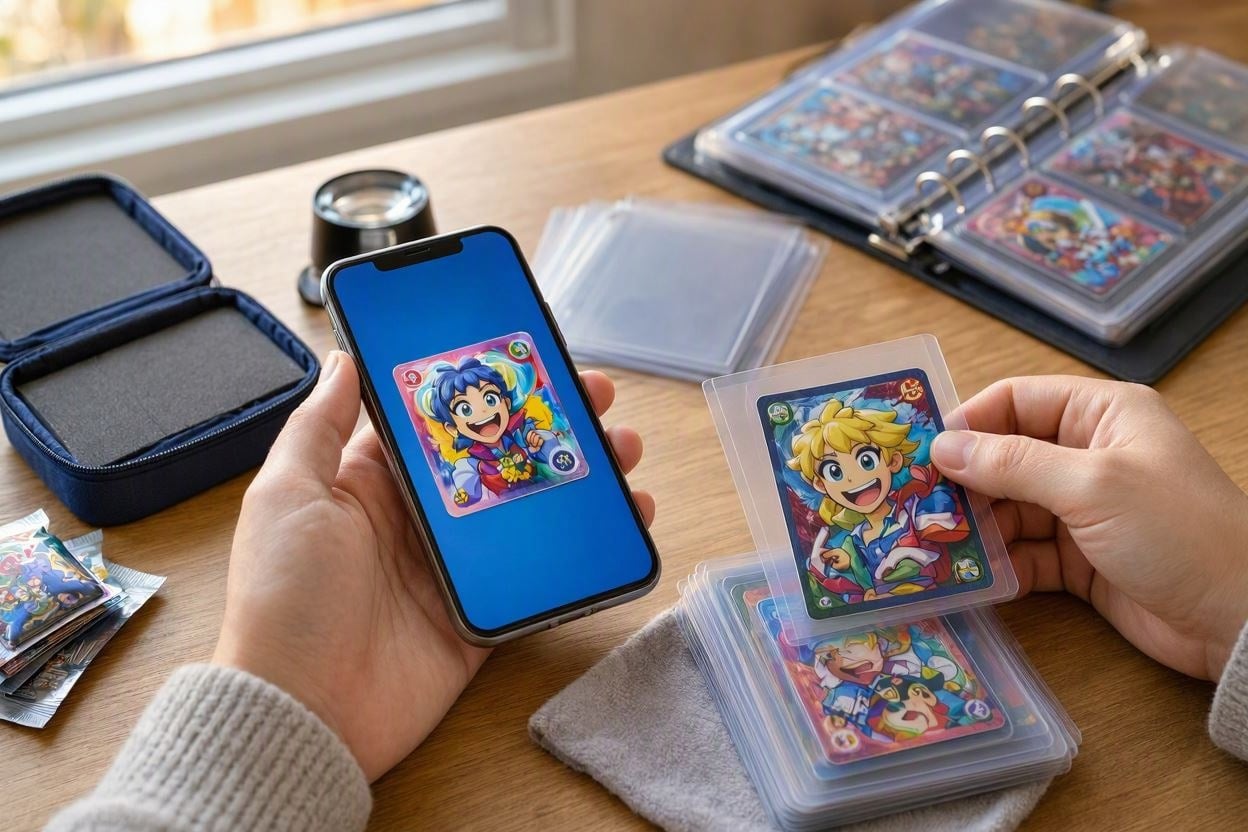
Pokémon TCG Pocket has pulled millions of new players into the world of Pokémon cards. The mobile app is free, fast, and easy to learn, which makes it a perfect starting point. For many players, though, it does not take long before the digital packs start to feel like a warm up for something bigger. That something is the physical card game, with real cards you can hold, sort, and trade.
If you have played Pocket and are curious about moving into physical cards, this guide will walk you through the basics. You do not need to know everything on day one. You just need a starting point.
Why Players Move from Pocket to Physical Cards
Pocket does a great job of teaching the basic idea behind Pokémon cards. You open packs, collect characters, and try to complete sets. That format is simple, and it is exactly why so many players enjoy it.
Physical cards add a few things the app cannot fully copy. There is the feel of a real card in your hand, the excitement of pulling a rare pack yourself, and the option to trade face to face with friends or at a local store. Physical cards also hold real value, since some can be resold or traded later, which gives the hobby a different kind of appeal than a purely digital collection.
Learn the Basics Before You Buy
Before spending money, it helps to understand a few simple terms. Cards fall into three main types. Pokémon cards show the creatures themselves. Trainer cards give special effects during play. Energy cards power your Pokémon's attacks.
Cards also come in different rarity levels, usually shown by a small symbol at the bottom of the card. Common cards use a circle, uncommon cards use a diamond, and rare cards use a star. Some rare cards also have a holofoil finish, which gives the image a shiny, reflective look. Knowing these basics will help you understand what you are opening or buying, whether that is a single pack or a full box.
Decide What Kind of Collector You Want to Be
Not every collector wants the same thing, so it helps to think about your goal early. Some players mainly want to build a working deck they can use in casual games with friends. Others focus on collecting, aiming to complete a set from a specific expansion or gather cards featuring one favourite character. A smaller group treats cards more like a long term hobby with resale value in mind.
Knowing which one fits you will guide almost every purchase you make.
Where to Start Buying Physical Cards
A good first purchase is usually a starter deck or an elite trainer box, since both come with a ready made set of cards plus extras like sleeves or dice. From there, booster packs let you build out your collection expansion by expansion.
Once you know which sets or characters you want, browsing physical Pokémon trading cards at a retailer that carries a wide range makes it easier to compare booster boxes, single packs, and individual cards side by side. Comparing options before you buy helps you avoid overpaying for a card you could find elsewhere for less.
Understand What Drives Card Value
New collectors often assume every card holds similar value, but that is far from true. A field study published in the journal PLOS One tracked the sale of 300 physical Pokémon cards over a full year and found that rare cards sold for a median price several times higher than common cards, and holofoil cards sold for roughly seven times more than plain matte cards on average. Rare and holofoil cards also sold much faster than common ones.
That pattern matches what most collectors already sense. Rarity and a shiny finish tend to matter more than how old a card is. The same research also noted that nostalgia plays a major role in the market, since many collectors first started as children and returned to the hobby years later, which helps explain why certain older, familiar characters still carry strong demand.
Protect Your Collection from the Start
Cards are surprisingly easy to damage, so good habits from day one will save you regret later. Use penny sleeves for everyday protection, and add a hard plastic top loader or a binder page for cards you especially want to keep in good shape.
Store your collection somewhere dry and out of direct sunlight, since fading and warping can lower both the look and the value of a card over time. If you plan to trade or resell cards later, condition matters, so handling them carefully from the start pays off.
Keep the Fun in Focus
It is easy to get caught up chasing the rarest pull or the most expensive card, but the hobby works best when it stays enjoyable. Trade with friends, play a few casual games, and take pride in whatever set or theme you choose to build.
Moving from Pokémon TCG Pocket to physical cards does not have to be complicated. Learn the basic card types and rarity symbols, decide what kind of collector you want to be, and start small with a starter deck or booster pack. Compare your options before buying, protect your cards once you have them, and let curiosity guide the rest. The digital app got you interested. The physical cards are where the hobby really opens up.