



The Surprising Value of Taking It Easy
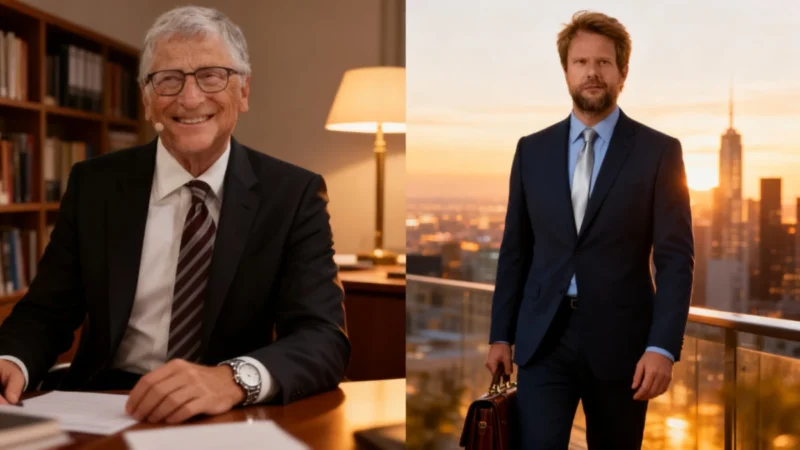
Bill Gates is known for expressing complex ideas in simple terms. One of his most quoted beliefs is that so-called ‘lazy' individuals are often the best at solving tough problems. While this idea clashes with our society’s fixation on busyness and non-stop productivity, according to Gates, the logic is simple: those who prefer to avoid needless effort are likely to find the most efficient solutions.
Today’s work environment, especially in tech, often glorifies pushing yourself to the brink—pulling all-nighters, running on caffeine, and believing that enduring stress is the price of success. Gates, however, has consistently approached tough challenges at Microsoft differently. Rather than assigning a difficult problem to his hardest worker, he preferred to give it to someone who might be less eager to grind away at it. The result? Laziness wasn’t a flaw, but sometimes a driver of smarter, more innovative work.
Shortcut Smarts
Gates' philosophy isn’t about encouraging slackers or office inaction. Rather, he focuses on our brains’ natural talent for sidestepping useless work. If there’s a clever shortcut, why not take it?
This hiring logic might sound strange when most companies still look for the most energetic candidates. Yet the concept has a long history.
Real-World Roots: From Factories to Job Sites
Back in 1947, Chrysler executive Clarence Bleicher voiced almost the exact same idea before a U.S. Congressional committee. He observed that slightly lazy engineers often invented the most practical, hassle-saving solutions—just to avoid wasting their own time.
Go further back, and the theory shows up again. In the 1920s, Frank B. Gilbreth, a pioneer in studying workplace productivity, spent hours watching bricklayers work. Contrary to the prevailing wisdom, Gilbreth noticed that workers labeled ‘less industrious' actually invented the smartest, most efficient methods. Their desire to conserve physical energy led them to work in ways that were much more intelligent than the efforts of their so-called tireless colleagues.
True efficiency often lies in recognizing when to simplify, automate, or trim a job down to its essentials. People who consciously minimize effort aren’t just choosing the easy way out—they’re often setting the standard for what’s possible with fewer resources and less stress.
Beyond Tech: Smarter Choices in the Arts
This mindset goes beyond tech or corporate offices. In the creative world, Brazilian actor and director Selton Mello has applied a similar philosophy to his own career choices. A major star in Brazil, Mello has openly described himself as lazy and explained how this quality shaped his decisions:
I’m very lazy, and cinema gives more agility. You can finish a movie in a month and a half. In a year, you can do three films and still take a vacation. On television, that's never possible, because series are such long projects.
His honesty helps break the myth that working longer always means working better. The so-called laziness Mello describes has nothing to do with lacking ambition or quality. Instead, it’s a protective measure against burnout—a refusal to get locked into endless projects that don’t suit his rhythm of life.
In the end, whether you’re coding software or filming a movie, the real trick is to pick your battles wisely. Sustainable productivity isn’t about constant motion, but about producing great work—while avoiding the traps of burnout and fatigue.