




AT&T's router suppliers have run out of certain hardware parts and are now facing difficulties building routers for which they already have approval.
Unfortunately, the US Federal Communications Commission’s (FCC) rules don't allow you to swap out parts in a certified device without going through the whole approval process again. AT&T didn't have time for that, so they have now asked for an exception.
The answer is yes, and the carrier now has until May 2027 to make limited hardware swaps without losing its certifications. The catch is that the new parts can't make the routers better or replace any US-made components with foreign ones.
Why the FCC made an exception for AT&T's routers
Back in March, the FCC enacted a sweeping ban on all foreign-made routers entering the country. The ruling was blunt: devices tied to adversarial governments pose unacceptable risks to American infrastructure and the people who rely on it.
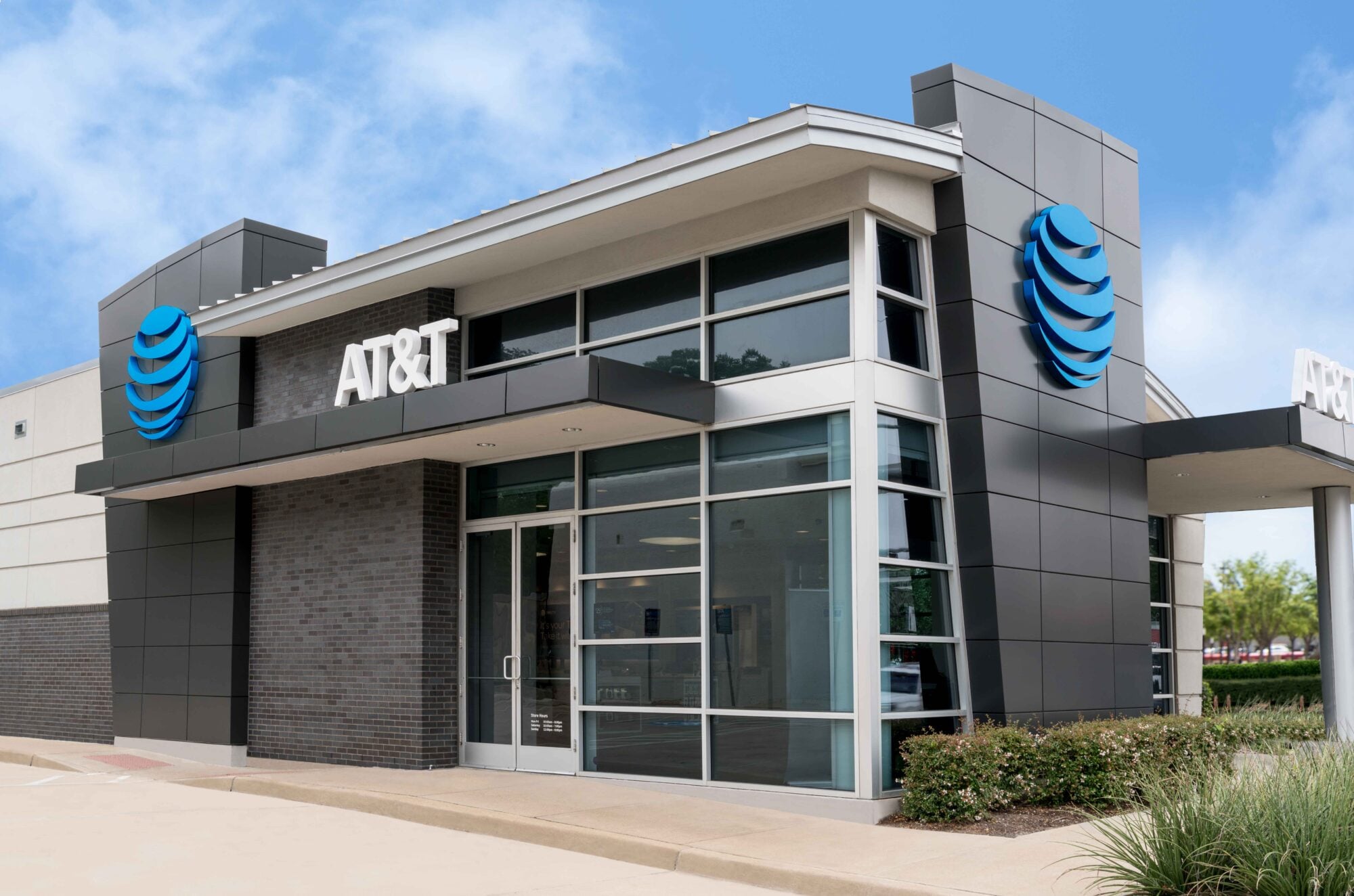
New foreign-made models were blocked from entering the market entirely. However, previously approved hardware was meant to carry on unaffected. Last week, AT&T submitted a formal filing to the FCC flagging a situation. The carrier identified two simultaneous supply chain problems.
The first problem is substrate material. Every chipset is built on a physical base layer called a substrate, and the specific type used in the chipsets of one of AT&T's approved routers is in short supply globally. The manufacturer that produces that router can no longer source the material in the quantities it needs. Hence, no substrate, no chipset.
The second problem is that a global memory shortage has been pushing suppliers across the industry to find alternative sources of memory components. AT&T's router suppliers are caught in the same bind, and without the ability to swap in replacement modules from new sources, production faces disruption from the same angle.
Without a waiver allowing limited hardware modifications, the carrier warned, the affected router models could be removed entirely from production lines. The FCC granted AT&T a one-year waiver, effective now and running through May 2027.

It allows the carrier to substitute substrate materials in its chipsets and swap out memory modules across its previously certified residential gateways. It gives them enough room to work around both supply chain problems without halting production.
There are firm conditions attached to AT&T’s waiver. Among them is the ruling that hardware changes cannot improve device performance beyond what was originally certified. More importantly, they can't replace a US-made component with a non-US-made one.
New travel eSIM to rival T-Mobile ahead of summer soccer season
While the carrier was sorting out its router supply chain situation with the FCC, AT&T had something to announce. They're launching a new short-term eSIM service called “eSIM by AT&T” for international tourists visiting the US, Mexico, and Canada this summer.
The plans come in 1-day, 7-day, 15-day, and 30-day options. US-only coverage starts at $4 for a single day, while the most expensive option, which is a 30-day North America-wide coverage, runs $60, including taxes. All plans include unlimited data and 5GB hotspot access. Unlimited talk and text is not available yet.

Travelers also have access to Turbo Live, AT&T's feature that prioritizes data usage in crowded venues. To use it, you download the AT&T Connect on Demand app, activate an eSIM on arrival, and pick a plan. The catch is you need an unlocked dual-SIM 5G phone and an international phone number to be eligible.
The launch comes just days after T-Mobile rolled out its own travel day passes for international visitors, starting at $25 for seven days and $50 for 30 days. AT&T's plans are cheaper at the lower end.