


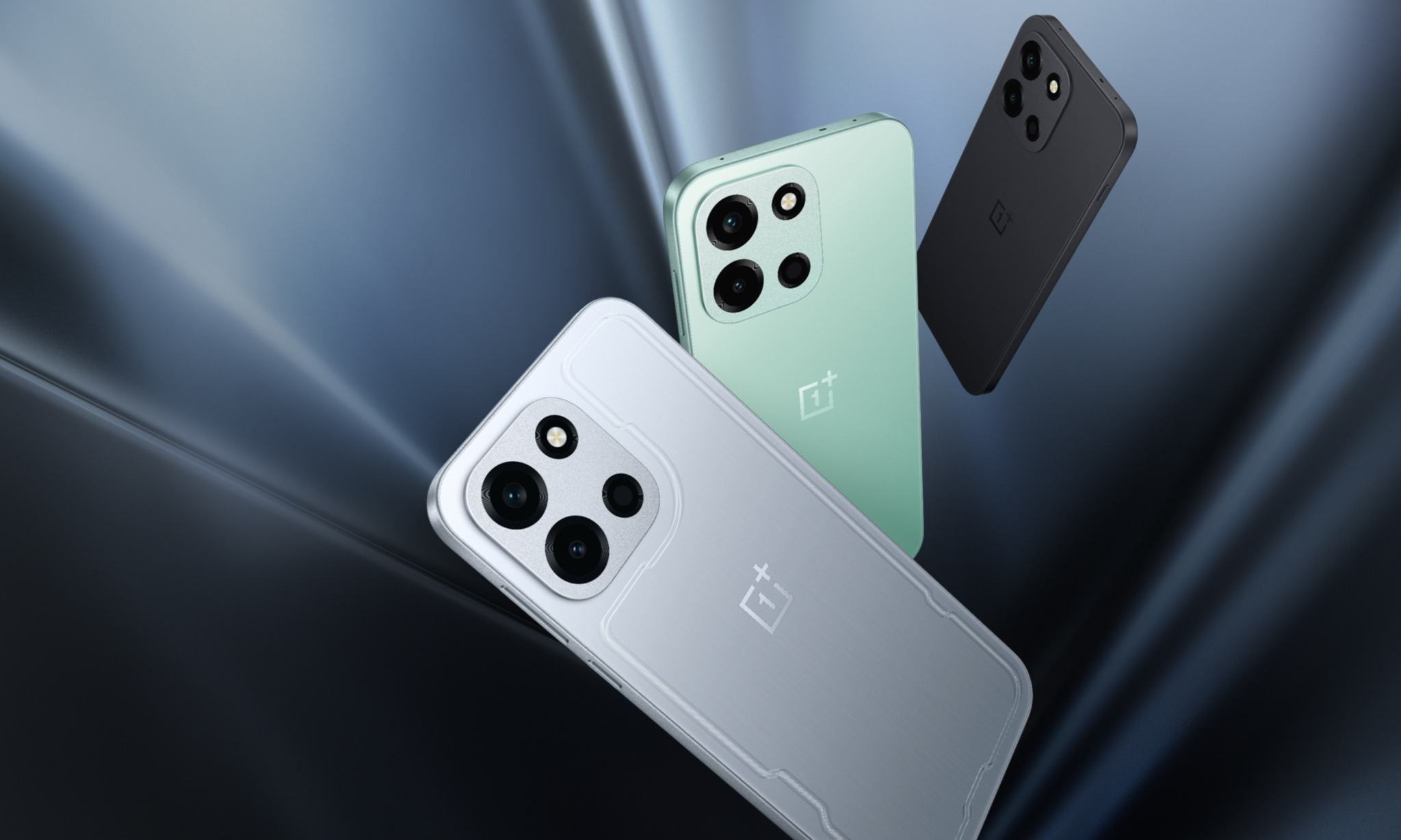


Walk into any home, office, or even a car in 2025, and you’ll see it: artificial intelligence humming quietly in the background. AI has slipped out of science fiction and into the fabric of everyday gadgets—changing not just how things work, but how we live, communicate, and solve problems. From smart fridges that plan meals to earbuds that translate languages in real-time, AI-driven devices have quickly become a staple of modern living.
But how did we get here? And what does it mean for our devices—and for us? Today, AI is more than just a buzzword; it’s powering the everyday tools we rely on, from voice assistants that predict our needs to home security systems that learn our routines. These smart gadgets promise more convenience, safety, and personalization than ever before. This article will explore how AI is transforming the most common gadgets in 2025, what trends are shaping the market, and what’s on the horizon for the years ahead.
A Brief Look Back: The AI Journey in Consumer Tech
A decade ago, smart devices offered simple automation like learning thermostat settings or suggesting apps by time. AI was basic, using rule-based responses and limited scheduling.
By 2025, AI drives nearly every device. Algorithms power adaptive headphones, vacuums that map homes, and fridges that suggest recipes and cut waste. Earbuds now offer real-time translation, while wearables analyze vitals and give wellness tips.
Cloud computing, edge processing, and affordable chipsets made this leap possible. These advances put sophisticated AI into everyday gadgets, making personalized, intelligent features standard for millions and reshaping how we interact with technology.
What Makes a Gadget “AI-Powered” in 2025?

In 2025, “AI-powered” is more than just marketing hype. “When a device is labeled as AI-powered, it means it can learn from your behaviors, adapt its actions, and operate with a degree of independence,” says Arvind Rongala, CEO of Edstellar. These devices often improve over time, becoming more useful the longer you interact with them. The core of this transformation is a blend of advanced technologies working together seamlessly.
Some key technologies behind AI-driven gadgets include:
- Natural Language Processing (NLP): Makes conversations with voice assistants and smart speakers feel natural and effortless.
- Computer Vision: Allows devices like smart cameras, vacuums, and refrigerators to “see” and interpret their surroundings.
- Predictive Analytics: Helps gadgets anticipate your needs, such as adjusting lighting or climate before you notice.
- On-Device Learning: Processes data locally, protecting your privacy and allowing devices to adapt to your habits quickly.
By combining these technologies, today’s AI gadgets are more intuitive, user-friendly, and secure than ever. They don’t just follow orders—they understand and adapt to your routines, making everyday tasks simpler and smarter.
AI at Home: Making Living Spaces Smarter

Smart Speakers and Voice Assistants
Perhaps the most familiar face of home AI is the smart speaker. In 2025, voice assistants have evolved far beyond just playing music or answering basic questions. They now serve as the control hub for connected living, managing a whole network of smart devices in your home. Today’s voice assistants handle complex, multi-step requests, such as “Set the thermostat to 70 degrees, dim the lights, and play my evening playlist”—with impressive context awareness. This means you can interact naturally, issue follow-up commands, and expect seamless, personalized responses that fit your lifestyle and routines.
Key advances:
- Contextual memory: Devices remember the flow of conversations, so you can ask follow-up questions naturally.
- Personalized responses: AI recognizes who’s speaking and tailors its actions accordingly.
- Local processing: Voice data is increasingly processed on-device for privacy.
Smart Appliances
AI refrigerators in 2025 do more than chill food. They suggest recipes, track expiration dates, and reorder groceries automatically. Over time, they learn your habits to cut waste and simplify meal planning.
Washing machines use AI to optimize water and energy while adapting to laundry routines. Ovens with built-in cameras recognize dishes and adjust settings for perfect results.
LG’s 2025 “Smart Pantry” fridge uses AI vision to catalog items, suggest meals with expiring food, and sync with health goals, making cooking and planning easier and more efficient.
Robot Vacuums and Home Cleaners
Modern cleaning robots now map homes in 3D, detect objects, and adjust to floor types and dirt levels. AI helps them avoid obstacles, clean precisely, and even alert you to new stains or missing items.
At Work and School: Productivity Gadgets Supercharged by AI
AI meeting assistants now transcribe, summarize, and suggest action items, with tools like Otter.ai offering translation and searchable archives.
Smart displays and tablets adjust settings, recommend content, and act as collaborative whiteboards, syncing notes and schedules.
For students, AI e-readers and apps give real-time feedback, personalize study plans, and detect struggles early, making learning more engaging and effective.
Entertainment and Creativity: New Ways to Create and Enjoy
Content Recommendation Engines
Streaming services—music, video, and news—use AI to curate playlists and shows tailored to each user’s tastes, mood, and even the weather. In 2025, these systems are far more transparent, often letting users tweak their preferences and see why certain content is recommended. Xinrun Han, Marketing Manager at Mailgo, explains, “Today’s recommendation engines put the user in the driver’s seat, showing exactly why you see what you see and letting you fine-tune the experience.”
AI-Powered Cameras and Drones
Whether it’s a family party or an outdoor adventure, AI-driven cameras can track subjects, stabilize shots, and automatically edit highlights into shareable reels. Drones with AI can avoid obstacles, follow you smoothly, and even adjust their filming style based on what you’re doing.
Creative Tools
From digital art to music composition, AI assists creators by offering style suggestions, completing unfinished work, or collaborating as a kind of digital partner. This democratizes creativity, allowing non-experts to produce polished, professional results with minimal effort.
Addressing the Concerns: Security, Bias, and Reliability
Security Challenges
As gadgets get smarter, they become more attractive targets for hackers. Manufacturers are investing heavily in AI-driven security—analyzing patterns for suspicious behavior, securing devices with biometrics, and pushing real-time updates to fix vulnerabilities.
Bias and Fairness
AI is only as good as the data it learns from. In 2025, there’s a growing focus on building fair, unbiased algorithms, especially for devices involved in health, finance, and security. Alex Vasylenko, Founder of Digital Business Card, explains, “Transparent AI isn’t just a buzzword. It means letting users understand and adjust how decisions are made, which is crucial for building trust.” Transparent AI—where users can see and tweak how decisions are made—is gaining traction.
Reliability and Support
Because AI-powered gadgets “learn” over time, users sometimes experience odd behavior as systems adapt. Manufacturers now offer more robust support, letting users reset devices or give feedback directly from the gadget.
The Environmental Impact: Can Smarter Gadgets Be Greener?
One concern is the energy consumption of AI chips and the potential for more electronic waste as devices get more complex. The industry is responding with:
- Low-power AI chips: New designs drastically reduce power consumption.
- Longer lifespans: Devices now receive software updates for years, reducing the need for frequent upgrades.
- Recycling programs: Major brands are investing in programs to reclaim and recycle old AI gadgets.
In many cases, AI is also used to optimize power usage—think smart thermostats and appliances that use less energy when demand is low.
What’s Next? The Future of AI in Gadgets

Hyper-Personalization
As AI continues to advance, gadgets will get even better at anticipating our needs, sometimes before we realize them ourselves. Imagine headphones that automatically play soothing music when your stress level rises, or fitness trackers that adjust your workout based on your mood and the weather.
Enhanced Collaboration
Gadgets won’t just be smart individually—they’ll work together more seamlessly, creating a true digital ecosystem. Your car, phone, and home devices will share information to coordinate your schedule, save energy, and keep you safer.
More Inclusive Tech
AI is already helping people with disabilities—real-time captions, smart hearing aids, and tactile feedback are just a few examples of its capabilities. In the future, expect gadgets to offer even more ways to make tech accessible to everyone, regardless of ability.
The Ethical Frontier
With all this intelligence comes responsibility. Developers and manufacturers are under increasing scrutiny to ensure that AI in gadgets is ethical, transparent, and secure. This includes making it easy for users to understand and control what their devices know and do.
Conclusion: Living With AI—The New Normal
The influence of AI on everyday gadgets in 2025 is clear: our homes, devices, and even our commutes are smarter, safer, and more personalized than ever before. While challenges remain—privacy, bias, and environmental impact among them—AI’s role in consumer tech is only set to grow.
For most of us, the greatest sign of success is that we hardly notice AI is there at all. Our gadgets work better, life gets a little easier, and the future feels just a bit more connected.

