




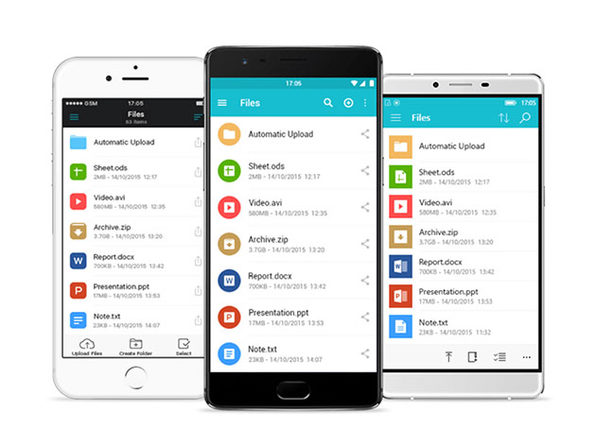
The trend towards cloud-based applications has become increasingly prominent in modern business. These innovative solutions play a vital role in empowering teams to work more efficiently, collaborate seamlessly, and ultimately boost overall productivity. As organizations navigate the complexities of hybrid and remote work models, cloud-based apps are proving to be essential tools that facilitate flexibility and connectivity among team members.
1. What Are Cloud-Based Apps?
Cloud-based apps, or software applications that run on remote servers instead of being installed on local machines, have transformed the way businesses operate. Unlike traditional software, which requires physical installation and maintenance, cloud-based applications are accessible via the internet from any device. This shift allows for greater agility and adaptability in workflows.
Popular examples of cloud-based apps used in business include Google Workspace, Microsoft 365, and Slack. These platforms exemplify how cloud technology fosters collaboration and accessibility, enabling teams to work from anywhere with an internet connection—making them ideal for today’s increasingly mobile workforce.
2. Increased Flexibility and Remote Access
One of the most significant advantages of cloud-based apps is their ability to provide employees with the flexibility to work from virtually any location. This increased flexibility is crucial in a world where hybrid and remote work models are on the rise.
Cloud-based solutions enable real-time updates and file sharing, allowing team members to collaborate effectively, regardless of their geographical location. For instance, a marketing team can work on a presentation simultaneously from different offices or even different countries, ensuring that everyone is aligned and up to date.
3. Real-Time Collaboration and Communication
Cloud-based apps greatly enhance team collaboration by offering features that facilitate real-time communication and interaction. Tools such as Microsoft Teams, Zoom, and Google Drive provide capabilities like document editing, video conferencing, and instant messaging, all in one integrated platform.
These features streamline communication and significantly reduce bottlenecks that can slow down project progress. By enabling seamless collaboration, businesses can ensure that their teams remain productive and responsive to changing project demands.
4. Automated Workflows and Task Management
Another significant benefit of cloud-based applications is their capacity for automating workflows and managing tasks efficiently. Tools like Trello and Asana offer comprehensive task management functionalities, allowing teams to track project progress, set deadlines, and automate repetitive tasks.
By implementing these automated workflows, businesses can improve efficiency, reduce human error, and allocate resources more effectively. Employees spend less time on administrative tasks and more time focusing on high-impact activities that drive results.
5. Scalability and Integration with Other Tools
Cloud-based apps are designed to scale effortlessly alongside business growth. Organizations can quickly add users or features as their needs evolve, ensuring that their software solutions remain aligned with their operational demands.
Moreover, these apps often integrate seamlessly with other software and tools, creating a connected digital ecosystem. For example, integrations between Slack and Google Drive or Salesforce and Microsoft 365 allow teams to streamline workflows and enhance productivity by minimizing the need to switch between platforms.
6. Enhanced Data Security and Backup
Security is a top concern for any business, and cloud-based apps come equipped with robust security features. These may include encryption, multi-factor authentication, and secure backups, providing peace of mind to organizations handling sensitive data.
Cloud solutions also mitigate the risk of data loss through automatic backups, ensuring that information is secure and accessible even in the event of hardware failures. By choosing reputable cloud providers, businesses can further address common security concerns, implementing best practices to safeguard their data.
7. Cost Savings and Resource Optimization
Cloud-based apps offer a cost-effective alternative to traditional software models. With a Software as a Service (SaaS) approach, businesses only pay for what they use, allowing for better budget management.
Additionally, cloud solutions eliminate the need for expensive hardware and reduce IT maintenance costs, freeing up resources for other essential business areas. This financial efficiency enables organizations to invest more strategically in growth and innovation.
Conclusion
In summary, cloud-based applications are transforming how businesses operate and enhance workforce productivity. By providing flexibility, enabling real-time collaboration, automating tasks, and offering cost efficiencies, these tools empower teams to streamline operations effectively. As organizations continue to evolve, exploring and adopting cloud-based solutions will be essential in maximizing productivity and maintaining a competitive edge in today’s digital landscape. Embrace the future of work by integrating cloud-based tools into your operations and witness the positive impact on your team's performance and overall success.

