


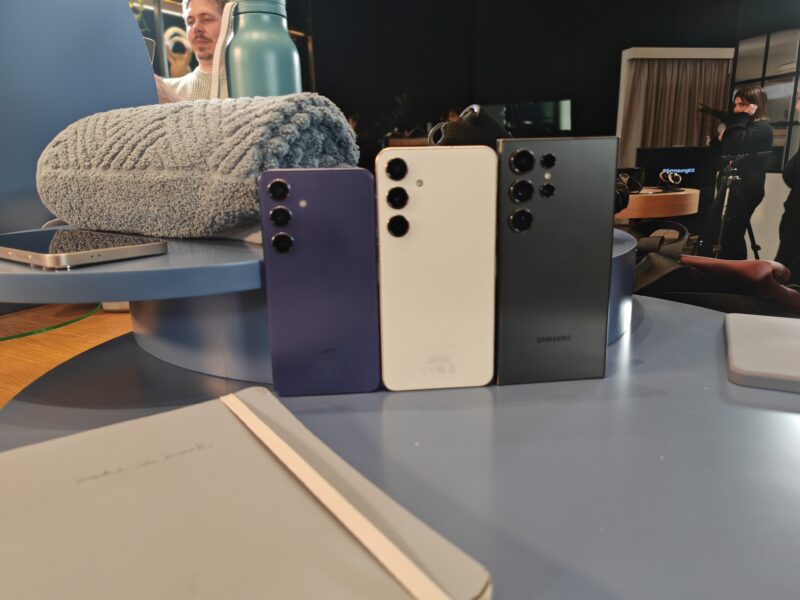
As an investment, the technological capabilities of Samsung's Galaxy S21 5G are still very much relevant today. Due to this, even if there is a considerable gap when compared to the newer Galaxy S24, a direct upgrade is usually not as recommended as it should be compared to smartphones of the mid-2010s.
However, upgrade considerations can vary widely. As such, a 3-year jump to the newer S24 may warrant a better analysis of its viability than simply looking at numbers. Let's dive in!
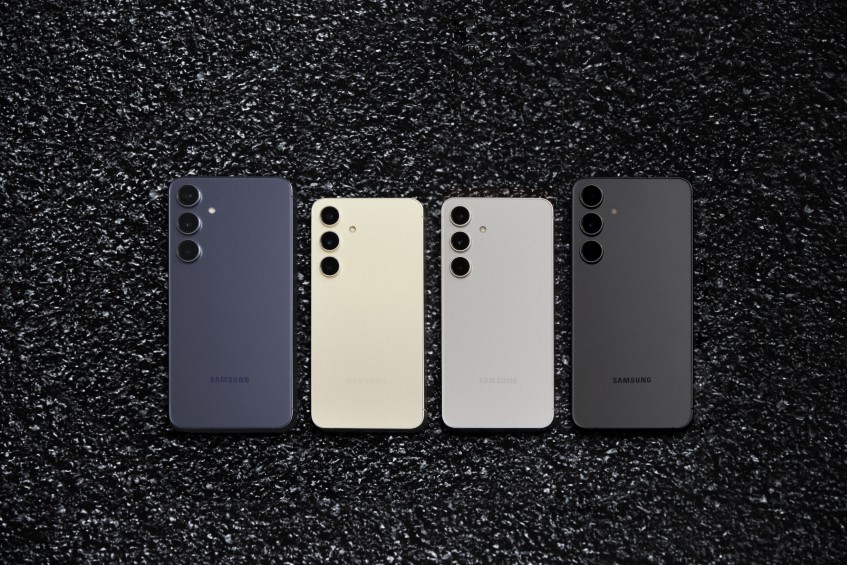
The Galaxy S21 5G Vs Galaxy S24
| Galaxy S21 5G | Galaxy S24 | |
|---|---|---|
| Software | Android 11 with One UI 3.1 | Android 14 with One UI 6.1 |
| Processor | Qualcomm Snapdragon 888 5G 5nm (US/Canada) Exynos 2100 (international) | Qualcomm Snapdragon 8 Gen3 4nm (US/Canada) Exynos 2400 (international) |
| Display | 6.1-inch Dynamic AMOLED 2X, 2400 x 1080 pixels, Infinity-O-Display, 120 Hertz, Gorilla Glass Victus, HDR10+, 421 ppi | 6.1-inch Dynamic LTPO AMOLED 2X, 2340×1080 pixels, Infinity-O-Display, 120 Hertz, Gorilla Glass Victus 2, HDR10+, 425 ppi |
| Memory | 8GB | 8GB |
| Storage | 128/256GB UFS 3.1 | 128/256/512GB UFS 4.0** |
| Rear Cameras | Triple camera: 12 MP (main camera, 85°, f/1.8, 23mm, OIS, Dual Pixel); 12 MP (ultra wide-angle lens, 120°, f/2.2, 13mm); 64 MP (telephoto, 36°, f/2.4, 69mm, 3x optical zoom) | Triple camera: 50 MP (main camera, 85°, f/1.8, 23mm, OIS, Dual Pixel); 12 MP (ultra wide-angle lens, 120°, f/2.2, 13mm); 10 MP (telephoto, 36°, f/2.4, 67mm, 3x optical zoom) |
| Front Camera | 10MP (f/2.2, 80°, 23mm, HDR10+) | 12MP (f/2.2, 80°, 25mm, HDR10+) |
| Sensors | Accelerometer, Barometer, Ultrasonic in-display fingerprint sensor, Gyro sensor, Geomagnetic sensor, Hall sensor, Ambient Light sensor, Proximity sensor | Accelerometer, Barometer, Ultrasonic in-display fingerprint sensor, Gyro sensor, Geomagnetic sensor, Hall sensor, Ambient Light sensor, Proximity sensor |
| Connectivity | Bluetooth 5.0, USB Type-C, NFC, Wi-Fi 6 | Bluetooth 5.3, USB Type-C, NFC, Wi-Fi 6e |
| Dimensions | 151.7 x 71.2 x 7.9 mm | 147 x 70.6 x 7.6 mm |
| Weight | 169g | 167 g |
| IP Rating | IP68 | IP68 |
| Battery | 4000 mAh, 25W fast charging, 10W wireless charging | 4000 mAh, 25W fast charging, 15W wireless charging |
| Price | Starting from $799/£779 | Starting from $799/£849 |
Everyday Usage
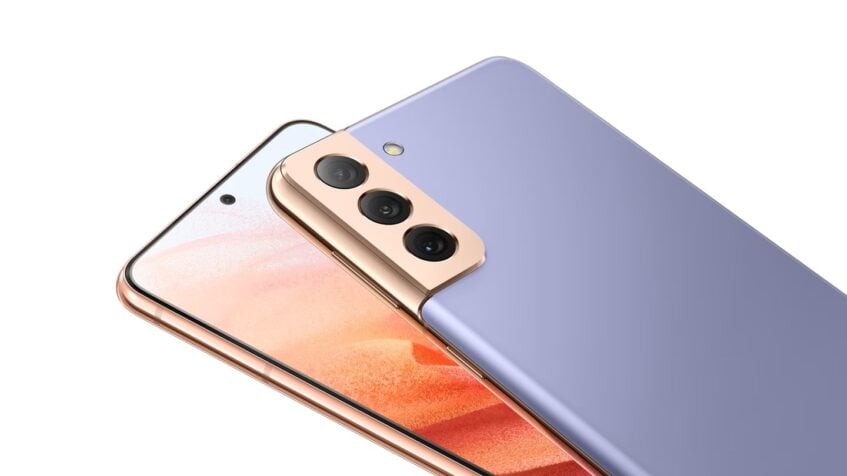
The introduction of processors like the Qualcomm Snapdragon 720G and MediaTek Dimensity 1080 during the early 2020s has catapulted the overall performance of all tiers of smartphones across the board. This was aided further by UFS 2.0 storage and the eventual standardization of 8GB RAM, even for lower-end devices. The Snapdragon 888 5G of the S21 stands several tiers above these processors, bypassing the “smooth user experience” threshold several times, as it still does even in 2024.
Thus, from a pure practical performance standpoint, there is very little need to upgrade to an S24 if you are already using an S21.
Performance Factor
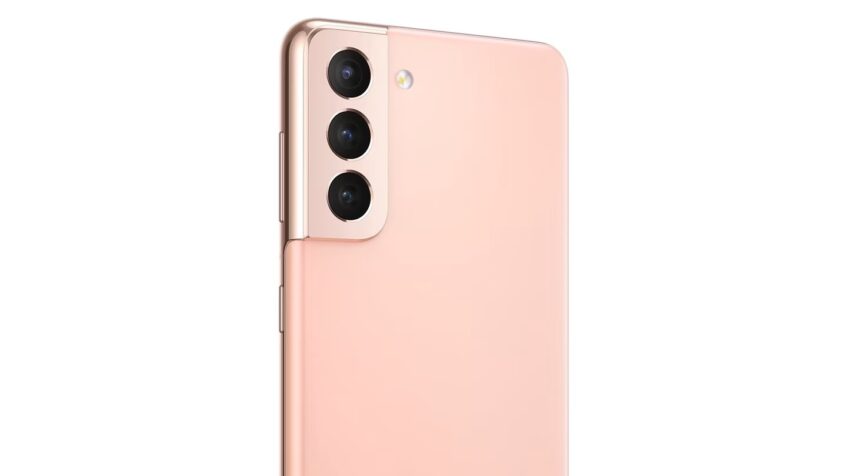
But, if you have regular professional applications for your smartphone, then by virtue of productivity alone, an S24 upgrade is already a huge boost. Every single improvement in spec can directly affect the overall efficiency of your device, and jumping from the S21 to the S24 is a giant leap.
Using standard benchmark apps, an overwhelming difference is very much apparent. In AnTuTu 10 the Snapdragon 8 Gen3 absolutely stomps with a whopping 135% improvement (average 900,000 versus 2,100,000), and in GeekBench 6 the gap becomes 108% and 112% in single-core and multi-core performance respectively.
Moreover, with UFS 4.0, sequential data processing speeds are doubled. Not only is it faster in retrieving information from your storage, but it consumes far less power than UFS 3.1 (which on its own, was already a quantum jump over UFS 2.0).
Physical specs of the camera itself leave a lot to be desired, however. Though, the newer AI-related specs of the S24 should still put it a few levels above the S21.
Operating System
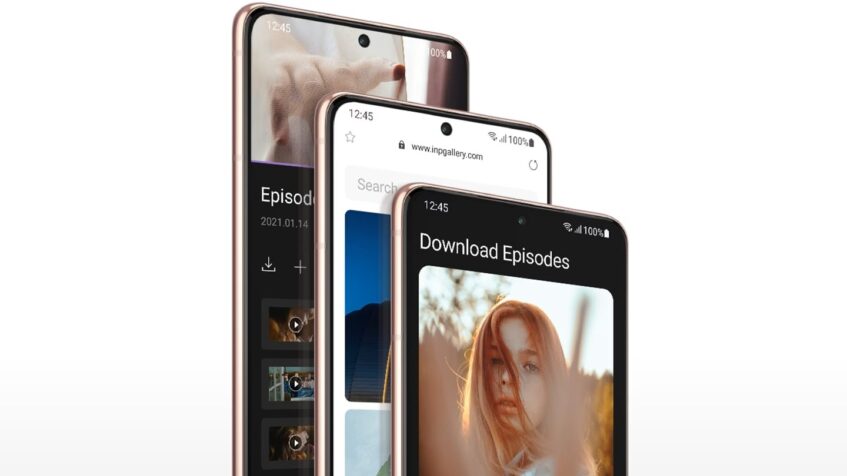
Samsung is well-known for its long-term software support for mobile devices. Though the S21 started with One UI 3.1, it is compatible with a One UI 6.0 update down the line, putting it very close with more recent devices. In terms of operating system alone, we do not recommend an upgrade to the S24.
Wear and Tear
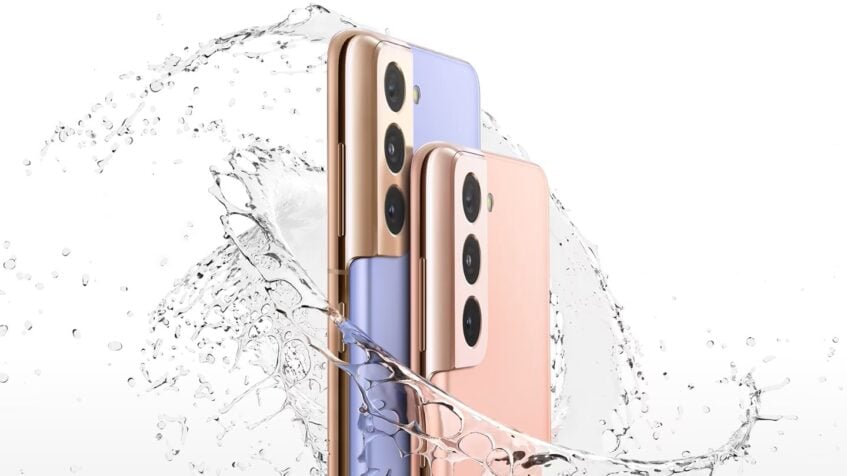
Unless your Galaxy S21 was used very roughly for the last three years, your unit should still be in fair shape, especially when paired with the appropriate protective case. The same goes for its 4000 mAh battery, which should still be somewhat similar to its original longevity performance if purchased in 2021, despite an update to One UI 6.0 (Android 14) potentially affecting its power consumption.
Other Technologies

Bluetooth 4.0 is the lowest threshold of signaling and power efficiency performance, with significant improvements to Bluetooth 5.0. WiFi 5 is also still way more than enough for everyday use, so in terms of bandwidth alone, WiFi 6 is still effectively overkill.
However, if you have any specific uses for Bluetooth 5.3 or WiFi 6E, for example, the 6Ghz band availability of 6E, then it may be part of your upgrade consideration. Still not good enough if factored alone, though.
Conclusion: If Not for Work, then Nope
Unless you are a super power user, play very heavy-duty game apps like Genshin Impact (as a game streamer, for example), or somehow exhausted your battery charge cycles, there is no practical reason for you to upgrade from the Galaxy S21 to the S24. Indeed, benchmark numbers show that the S24 is more than double the performance potential of the S21. But the S21 is still a few notches above a competitive mid-range smartphone today, which is more than enough for any modern standard use.
As for how long you should hold onto the S21, we recommend waiting for an additional year or two, when more important technologies unconditionally warrant the upgrade.

thanks for info.