





We've known for weeks that Samsung would utilise a newly redesigned 108MP camera sensor in their Galaxy S11-series , but we've now learned that it will in fact feature a new type of pixel binning to further improve pixel quality in a 12MP image.
Large, high resolution 48MP, 64MP, and even recently 108MP sensors have been all the rage in the smartphone industry for the last year, with phones even as budget-friendly as $200US offering such sensors.
The trick with these sensors, though, is that they are not true 48/64/108MP sensors, but in fact pixel-binned; meaning multiple pixels are combined into one to create a lower-resolution image composed of higher-quality pixels individually. This also means all phones with these sensors which offer 48/64/108MP photo modes are in fact just upscaling the binned image.
Until now, each of these sensors from both Sony (48MP) and Samsung (48/64/108MP) have utilised ‘Quad-bayer' 4:1 arrays, meaning that in every photo taken, 4 pixels, in a grid of 2×2, are combined into one. This means that each of these sensors, which feature 48/64/108 million pixels all 0.8μm in size individually are in fact invariably downscaled to 12/16/27MP images with 1.6μm pixels (though not quite as good as native 1.6μm pixels), this is compared to the 1.4μm pixels in the 12MP sensors in the Samsung, Google, and Apple flagships.
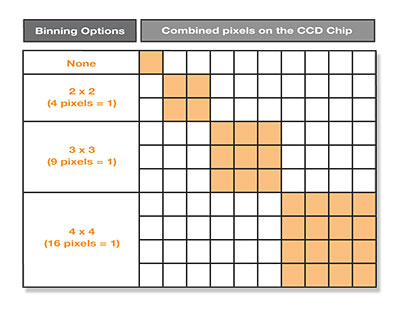
Image courtesy of Spot Imaging
But we have now learned that the long-leaked new 108MP sensor that will feature in Samsung's upcoming Galaxy S11 series of flagships will in fact feature an as-yet unprecedented (in the mobile world) 9:1 pixel binning, meaning 3×3 lots of pixels will be binned together rather than 2×2, for an effective 12MP image with 2.4μm pixel size.
This technology should lend Samsung's upcoming flagships unrivalled pixel quality, allowing not only for greater real sharpness and detail, but greatly boosted low-light performance also.
Of course, we'll need to wait another two months till February 18th to see samples from the S11's official launch, but these camera specs are certainly impressive and could be the next big upgrade for mobile photography.
Source: @UniverseIce

![[Deal] Save 15% on Mujjo cases, sleeves, and touchscreen gloves until midnight tonight 5](https://www.talkandroid.com/wp-content/uploads/2019/12/Mujjo.jpg)