



HTC is still in the business of making smartphones, although it's focusing attention on the Taiwanese market, and select regions. According to GizModo, the senior vice president of marketing, Huang Zhaoying, says that they revamped their strategy and will release one to two mid range phones every year. It's a bummer that consumers will miss out globally.
On the bright side, HTC isn't leaving the smartphone business yet. You probably didn't know that they developed the first commercial Android phone until now. The HTC Dream in 2008 and other early breakthroughs significantly shaped the direction of modern smartphones. The Wallaby model in 2002 brought high-speed internet access on the go, and the HTC Touch in 2007 replaced traditional phone keyboards.
Here's what's next for the smartphone pioneers.
HTC isn’t in a rush to put out competitive flagships
HTC will roll out one or two mid-range smartphone models every year. The phones will run on Qualcomm's Snapdragon 7 processors instead of high-end chipsets because they're affordable and fit the needs of the company's customer base more. Communication will take top priority over other features moving forward.
Already, the Snapdragon 7 is powering their new HTC U23 series. But the phones have only launched in their home market, Taiwan, and a few other countries in Europe and North America.

The U23 and U23 Pro offer a 6.7 inch full HD+ 120Hz OLED display with a 32 MP selfie camera. At the rear is a triple camera setup featuring 64MP, 8MP ultrawide, and 2MP depth sensors. You can get them in the 8GB or 12GB RAM and 128GB or 256GB storage variants. Both phones come with a Li-Ion 4600 mAh battery, which is relatively high compared to past HTC flagships like the HTC U12 Plus.

Teasers from the company suggest that the phones might work with Viverse, HTC's open and secure metaverse. They will also have IP67 ratings for dust and water resistance.
Why did HTC halt global phone production?
HTC hasn't made a public statement regarding why phone production efforts have dropped. But you could blame it on their “cooperation agreement” with Google in 2017 — a fancy way of saying Google bought out (most of) HTC.
Per the agreement, Google paid US$1.1 billion for HTC employees, many of whom were integral in making Pixel smartphones, to join their company. Additionally, Google received a non-exclusive license for HTC's intellectual property (IP). It means that the former can use the latter's patents, designs, software features, and more properties, with HTC retaining these rights and having the option to license them to other companies.
Despite the workforce reduction, HTC made a good call to sell since the company was already losing revenue and market shares. In 2011, it stood strong in the global Android phone market with a 10.7% share. By 2015, it dropped to a miniscule 2%, then 0.05% in 2019.
Their flagship phones began receiving mixed reviews as the features were trailing behind competitors. Samsung pushed boundaries with its first mainstream phone to have a fingerprint sensor, beating Apple's Touch ID by a year. Then there was Apple with their Retina display, thinner design, larger screen sizes, and Touch ID innovations.
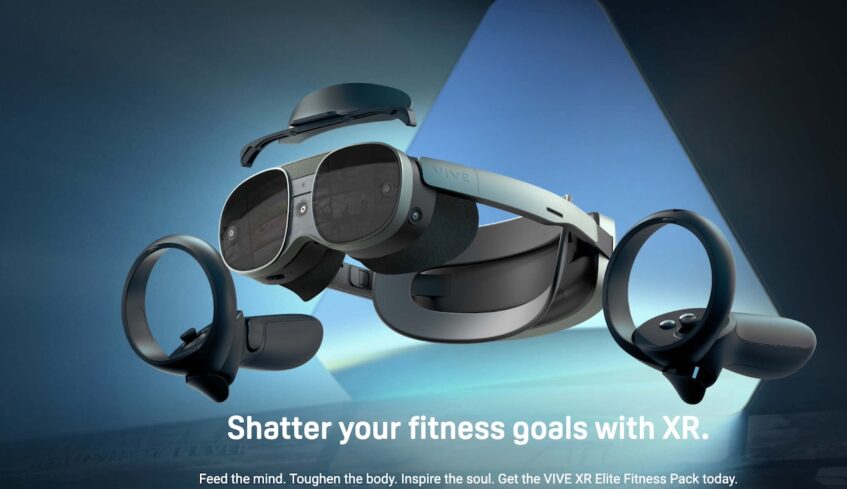
With dwindling resources, inconsistent design choices, and a few marketing missteps, HTC didn't stand a chance. With Google's deal, HTC was able to weather tough market conditions and fuel their efforts into Virtual Reality (VR) technology.
Will HTC make a big comeback to the global phone market?
HTC is still building brand recognition, resources, and investors’ trust. Whether or not they'll expand globally is something only time will tell. If the new strategy is any indication, the company is on the right path by being niche-focused with mid-range phones.
But returning to the global market won't be an easy feat. Recall that LG and Sony were also well-established brands with ample resources and a global footprint. Still, they struggled with the competition until they eventually exited the phone market.