

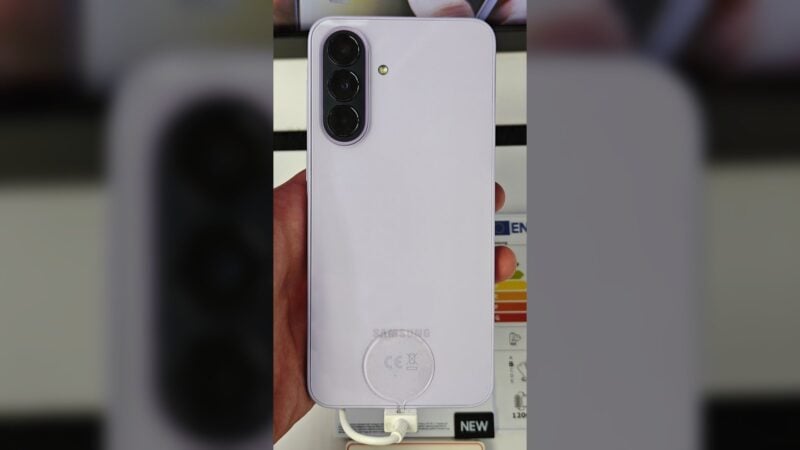
Samsung's next mid-range phone, the Galaxy A38, has shown up in the Geekbench database ahead of an expected early 2027 launch. The listing shows a MediaTek Dimensity 7500 chip instead of Samsung's own Exynos silicon. That would be a notable change for one of the company's best-selling phone lines, since the current Galaxy A37 runs on an Exynos 1480.
The benchmark run was first flagged by leaker Tarun Vats on X. It covers model number SM-A386B, which is the global version of the phone. Samsung hasn't confirmed the Galaxy A38 or any of its specs as of November 27, 2026.
What the Geekbench listing shows
The prototype in the listing had 6GB of RAM and ran Android 17. In Geekbench 7.1.0 it scored 928 in single-core and 2,687 in multi-core tests. The firmware build string starts with CP4A, which points to Android 17. Samsung will put its One UI skin on top, but the exact One UI version the phone will ship with hasn't been confirmed.
Early benchmark results from pre-release hardware often don't match how the finished phone performs, so these scores are only a rough guide. RAM is also likely to vary. The Galaxy A37 came in configurations from 6GB up to 12GB, and the A38 may be sold in several memory options too.
The Dimensity 7500 was announced by MediaTek in May 2026 as the successor to the Dimensity 7400. Here are its key specs:
- 4nm manufacturing process
- Eight-core CPU with four Arm C1 Pro cores at up to 2.6GHz and four C1 Nano cores at up to 2.0GHz
- Arm Mali-G625 MC2 graphics
- MediaTek NPU 850 for on-device AI features such as speech-to-text, text-to-speech and notification summaries
- Support for LPDDR5 memory at 6400Mbps and UFS 3.1 storage
- Imagiq 1050 image signal processor that supports cameras up to 200MP and 4K HDR video at up to 30fps
- Display support up to 1344 x 2800 pixels at up to 144Hz
- Wi-Fi 6E, Bluetooth 5.4 and MediaTek's 5G UltraSave 3.0+ modem power-saving tech
MediaTek's own figures for the chip compared with the Dimensity 7400 include up to 30% faster app switching, up to 19% faster game loading and up to 9% better efficiency. The newer Arm C1 cores replace the older Cortex-A78 and Cortex-A55 design. That move could help battery life on the A38.
Other rumored Galaxy A38 upgrades
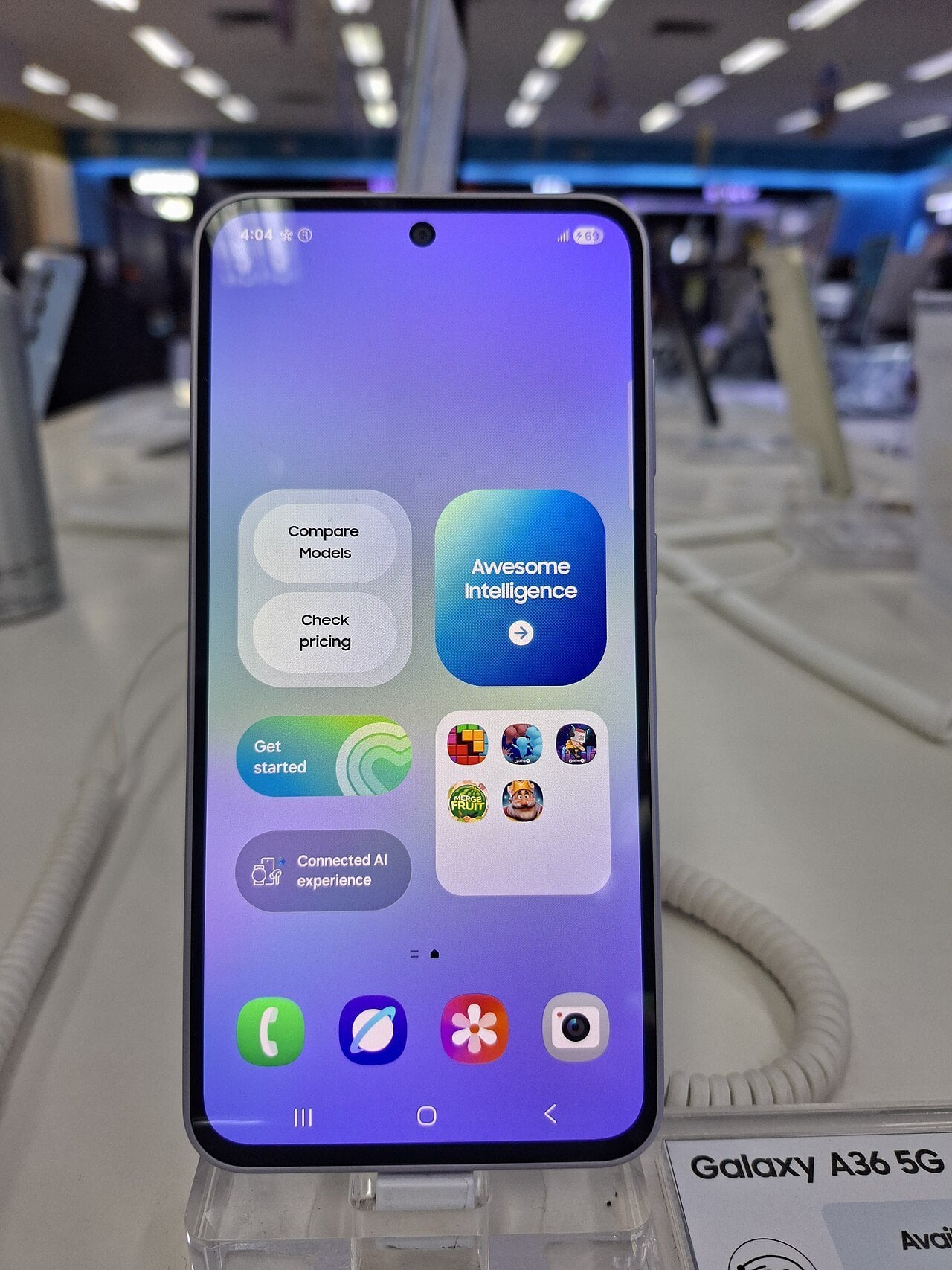
Two earlier leaks also point to changes from the Galaxy A37, and neither has been confirmed. The first is about the battery. A leak from earlier this month put the A38's battery at a rated 5,882mAh, which would likely be advertised as a typical 6,000mAh. That would be the first capacity increase in years. Samsung has kept its A3x phones at 5,000mAh since 2020, so a 6,000mAh cell would be about 20% larger than the A37's. The same leak also mentions 45W charging.
The camera is the second change, and it may be a step back. A separate rumor says the 50MP main camera will use Sony's IMX882 sensor, which is 1/1.95 inches. The A37 uses the larger 1/1.56-inch Sony IMX906. If the rumor is right, the resolution stays the same but the sensor gets smaller, which usually means less light reaches it in dim conditions. A smaller sensor would also fit the cost pressure phone makers are facing from rising memory prices.
For Android buyers in the US, the chip change matters most. In the past, Samsung has used Exynos, Qualcomm and MediaTek chips in different Galaxy A models and regions. However, the A37 and its recent predecessors leaned on Exynos. The Geekbench listing is for the global SM-A386B model, so it isn't clear yet whether every regional version of the A38 will use the same MediaTek chip.
When to expect the Galaxy A38
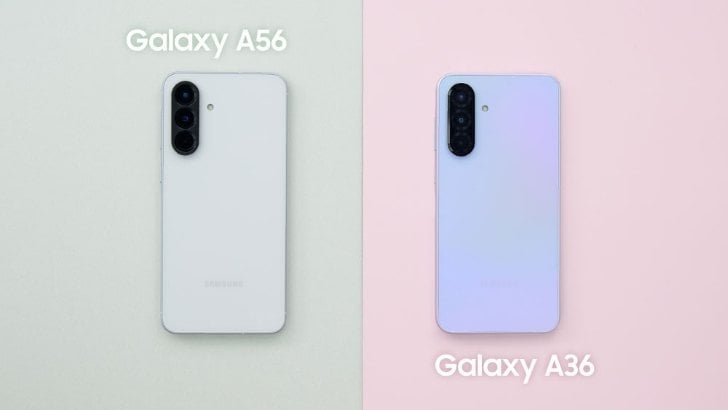
Samsung announced the Galaxy A37 in March 2026 and put it on sale in April. If the A38 follows the same schedule, it would be announced around March 2027. A benchmark listing for a global model usually means development is well along. The Galaxy A58, the expected successor to this year's Galaxy A57, has also appeared on Geekbench. That suggests both phones could launch together, as the A3x and A5x models usually do.
Samsung hasn't said anything about pricing, US availability or a launch date yet. More leaks about the A38's display, design and RAM options are likely to show up in certification databases in the coming weeks.