

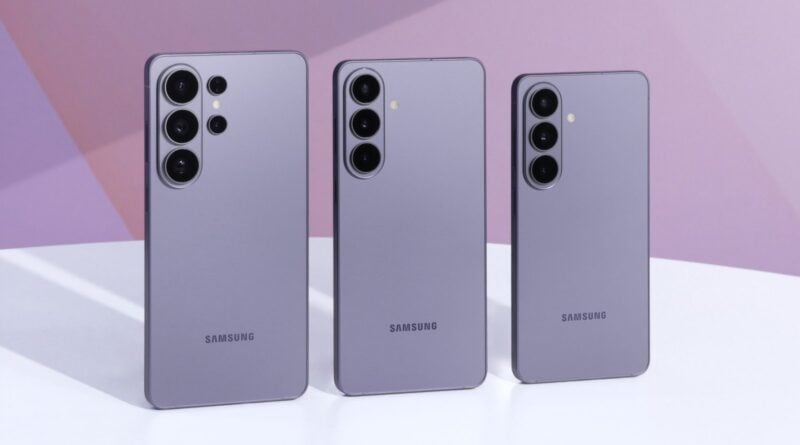
Samsung appears to be building its own private cloud for Galaxy AI. The system would let Galaxy phones send heavier AI tasks to Samsung's servers without Samsung being able to tell who sent them. Code found in the One UI 9.5 beta calls the framework “SPAC,” and it looks a lot like Apple's Private Cloud Compute. Samsung has not announced it.
The discovery comes from an APK teardown of One UI 9.5 Beta 1 running on a Galaxy S26 Ultra, according to Android Authority. The code is unfinished, so the feature could change before release, or Samsung could drop it.
If it ships, it would deal with one of Galaxy AI's biggest trade-offs. Features that run on the phone keep your data on the device. Cloud features such as Writing assist, Note assist and generative photo edits send your data to Samsung's servers, and for those you only have Samsung's privacy policy to rely on. If you don't want that, your only choice right now is the “Process data only on device” toggle in Galaxy AI settings, which turns those cloud features off completely.
What the One UI 9.5 Beta Code Shows
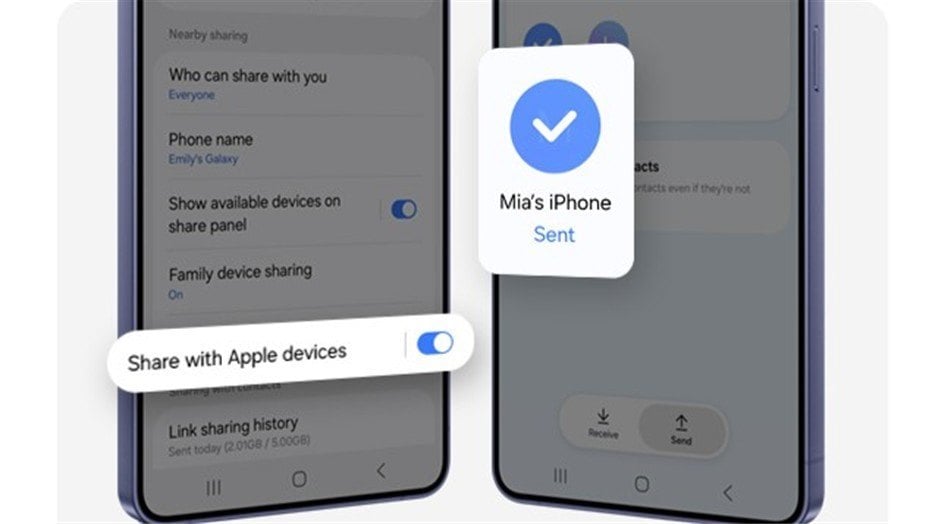
The SPAC SDK appears in four system apps in the beta: Photo Editor, IntelliVoiceService (Samsung's speech and language service), Smart Capture and PhotoRemasterService. None of those apps included it in One UI 9. The code suggests SPAC connects to a server-side gateway called “Arcane,” along with separate token, identity and fraud-detection services. Samsung hasn't said what SPAC stands for.
Most of the code deals with privacy and trust rather than the AI itself. Based on the teardown, SPAC appears to use several layers of protection:
- A third-party relay: requests pass through an outside relay first, so Samsung can see what you asked but not where the request came from.
- Server checks: before sending anything, the phone confirms that Samsung's server is running genuine, unmodified software.
- A tamper-proof log: Samsung's server software is recorded in a log that can't be quietly changed, which stops different software being served to certain users.
- Anonymous one-time passes: these prove the request comes from a real Galaxy user without revealing which user it is.
The code also includes an “unattested” mode that skips some of these checks, which may be meant only for internal testing. It also mentions open-weight models Samsung could run on its own servers. Smart Capture, which powers AI select, lists Google's Gemma 4 and Alibaba's Qwen 3.6. IntelliVoiceService references Gemma 4, and PhotoRemasterService mentions Black Forest Labs' FLUX.2 klein 4B and a Stable Diffusion model. The teardown couldn't confirm that Galaxy AI uses any of them today.
The code links a long list of features to SPAC. These include AI select, Photo Editor's cloud eraser and cloud upscaling, live speech translation, summaries, tone changes, writing help, emoji suggestions and Now Brief. It also mentions an unnamed “GUI agent” and something labeled “Bixby work.” If all of these move over, much of Galaxy AI's cloud processing would run through SPAC.
Built on the Same Recipe as Apple and Google
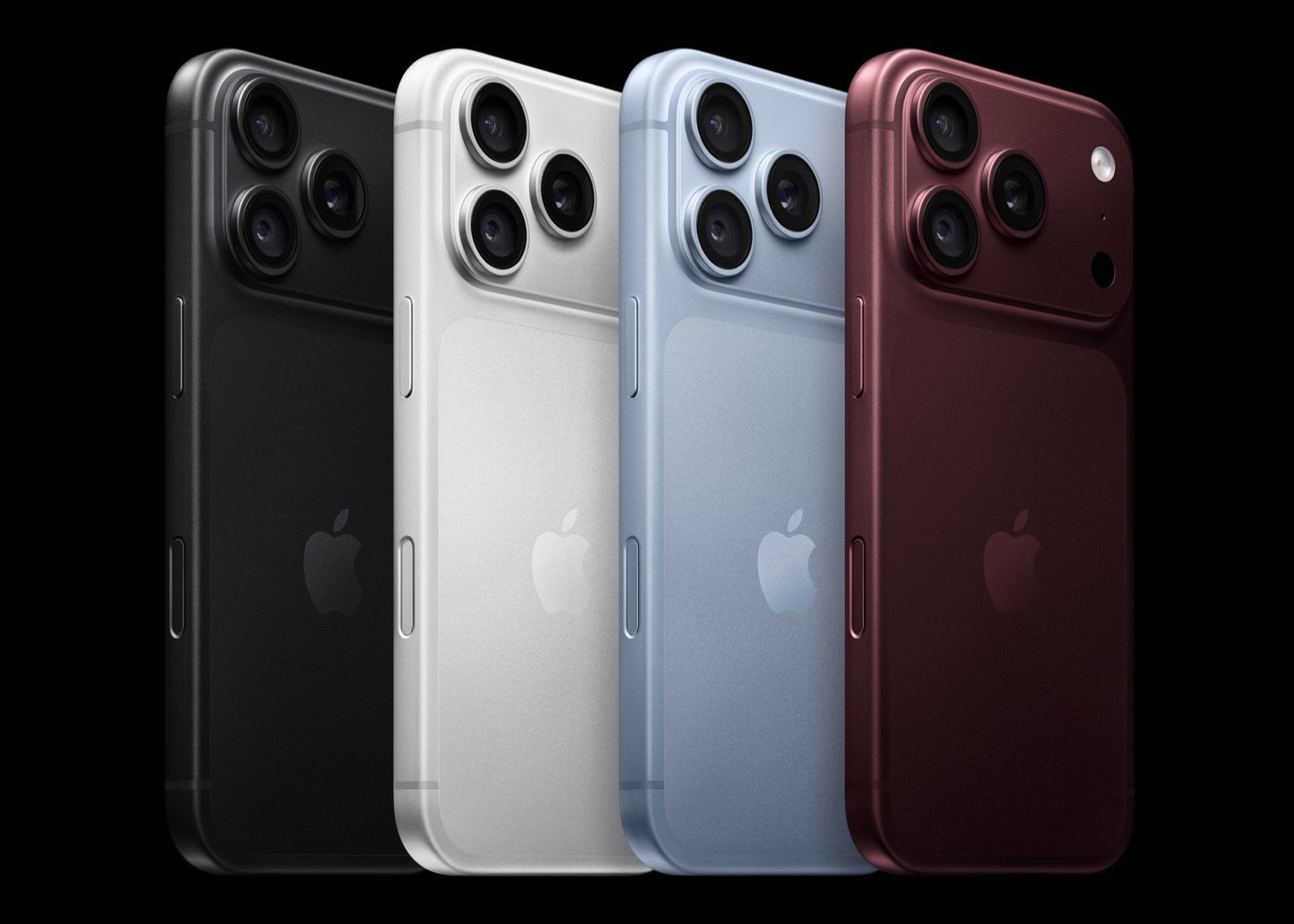
Apple introduced the idea in June 2024 when it described Private Cloud Compute for Apple Intelligence. Apple's design keeps personal data sent to its servers out of reach of anyone but the user, including Apple itself. Requests use one-time passes that can't be linked to the user, an outside relay hides the user's IP address, and iPhones only connect to servers whose software matches a public log. SPAC's code appears to include a counterpart to nearly every one of those parts.
Google launched its own version, Private AI Compute, in November 2025 to run Gemini models in the cloud. Meta uses a similar setup called Private Processing for WhatsApp's AI features. Apple, Google and Meta all explained publicly how their systems work. Samsung's version doesn't appear to add anything new, and it would arrive later than its rivals'.
Even so, it matters for Android users. Samsung sells more Android phones than any other company, and Galaxy AI is a big part of how it markets its flagships. A system whose privacy can be checked would let Samsung run more powerful models in the cloud without asking owners to take a privacy policy on trust. That could carry more weight if Samsung starts charging for Galaxy AI Premium and relies more on server-side models.
Not Switched On Yet
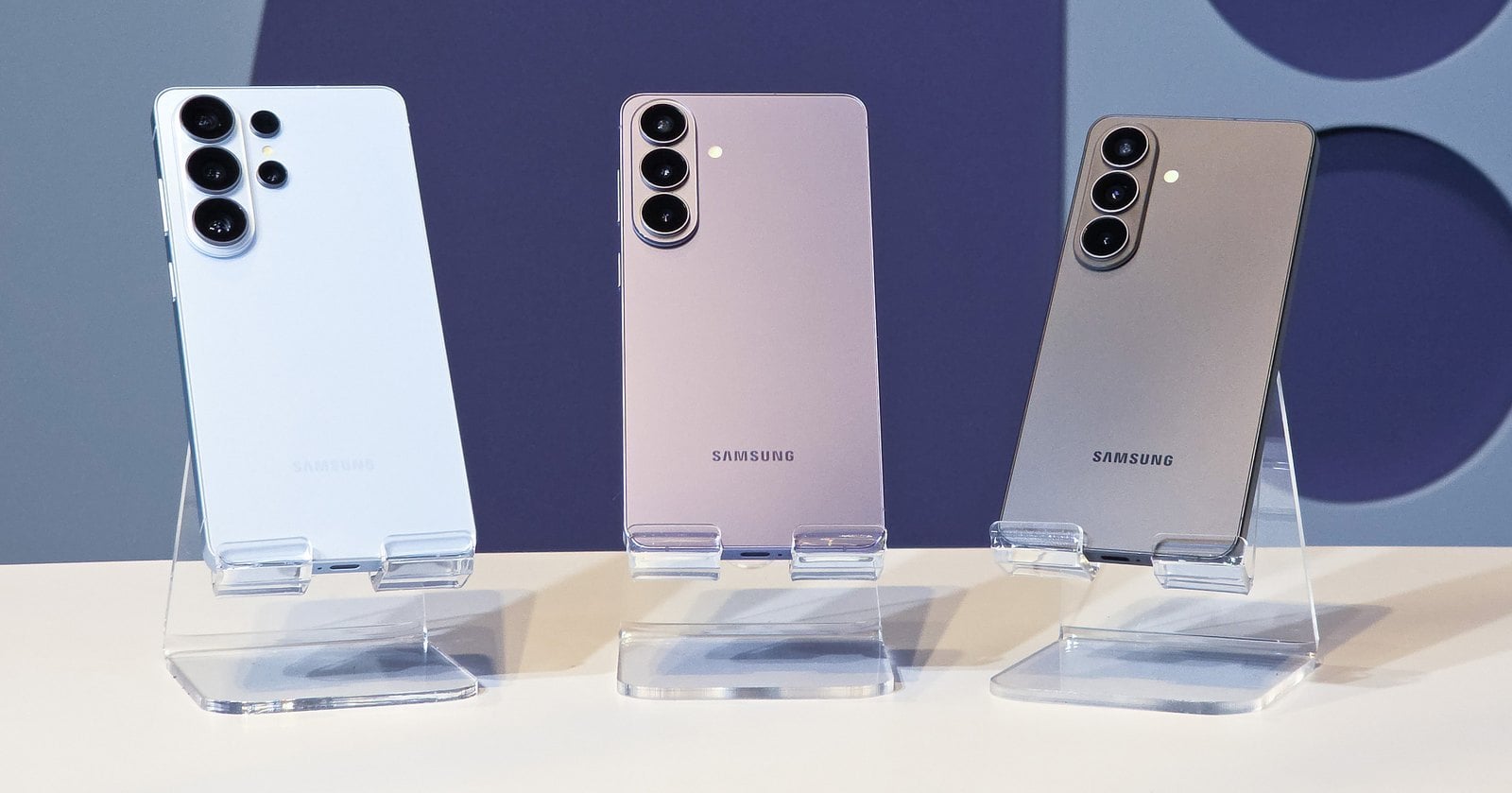
SPAC doesn't work in the current beta. Smart Capture and Photo Editor only use it on a newer Galaxy AI version than the Galaxy S26 Ultra currently reports. PhotoRemasterService needs a newer Remaster version, and IntelliVoiceService only uses SPAC when an app requests a “private” cloud mode, which couldn't be triggered. Writing assist, AI select, Note assist, Now Brief and Interpreter were tested while logging the phone's activity, and none of them touched SPAC.
The beta also has no user-facing text about SPAC, so there is no consent screen or privacy notice yet. It's also unclear how SPAC will work with the on-device-only toggle. Photo Editor checks that setting, but the SPAC code in Smart Capture and IntelliVoiceService doesn't appear to.
Samsung's servers look further along than the phone software. Public certificate records show production server addresses for SPAC that Samsung has kept renewing over the past few months. Newer entries suggest Samsung is also adding servers in the US.
Samsung opened the One UI 9.5 beta on November 18, 2026, for Galaxy S26 series owners in markets including the US, UK, Germany, India, Korea and Poland. Its announcement covered camera controls, health features, accessibility tools and App Lock, but didn't mention a private AI cloud. As of November 27, 2026, Samsung hasn't commented on SPAC, and there's no timeline for when it might go live. Future beta builds are the place to watch for consent screens or new Galaxy AI settings that would show it's about to launch.