

Google Play will stop accepting new apps and updates that don't work properly on foldable phones. Starting in April 2027, apps must meet the baseline of Google's adaptive quality guidelines. That means filling the whole inner display and keeping your place when you fold or unfold the phone. Apps that miss the bar can't be published or updated and may be harder to find in the store.
Google announced the requirements on the Android Developers Blog on November 18, 2026, along with a separate set of rules for games. Games get a later deadline of August 2027. This is the first time Google has turned its foldable app guidance into a Play Store rule with real consequences. Foldable owners have put up with stretched, letterboxed, and constantly reloading apps since the first models went on sale.
The timing stands out. The announcement comes just weeks after Apple launched the iPhone Duo, its first foldable, which puts more pressure on Android apps to look their best on folding screens.
What apps will have to do
Google sorts large-screen app quality into three tiers. The new minimum is Tier 3, “Adaptive ready.” In Google's words, apps “must fill the available display area without letterboxing or compatibility modes.” They must also keep their state when the device is rotated, folded, unfolded, or resized, and work in multi-window mode.
For people who own a foldable, that means:
- No black bars or shrunken phone layouts on the unfolded inner screen
- Scroll position stays where it was when you open or close the phone
- Text you've typed stays in the field instead of disappearing
- Videos and music pick up where they left off instead of restarting
- The app works properly in split-screen next to another app
Google's full Tier 3 checklist goes further. It also covers camera previews that stay in the right orientation and proportions whether the phone is folded or unfolded, and basic support for external keyboards, mice, trackpads, and styluses.
The two higher tiers stay optional for now. Tier 2, “Adaptive optimized,” looks at multi-pane layouts and checks that UI elements aren't simply stretched across a big screen. Tier 1, “Adaptive differentiated,” covers tabletop and book postures, camera continuity, interactive picture-in-picture, and running multiple instances of an app. Developers who reach these tiers can apply now for Play Store badges and extra promotion. Google says its quality framework will gradually add Tier 2 and Tier 1 standards for foldables, tablets, Googlebooks, and Android XR.
Foldable screenshots become mandatory
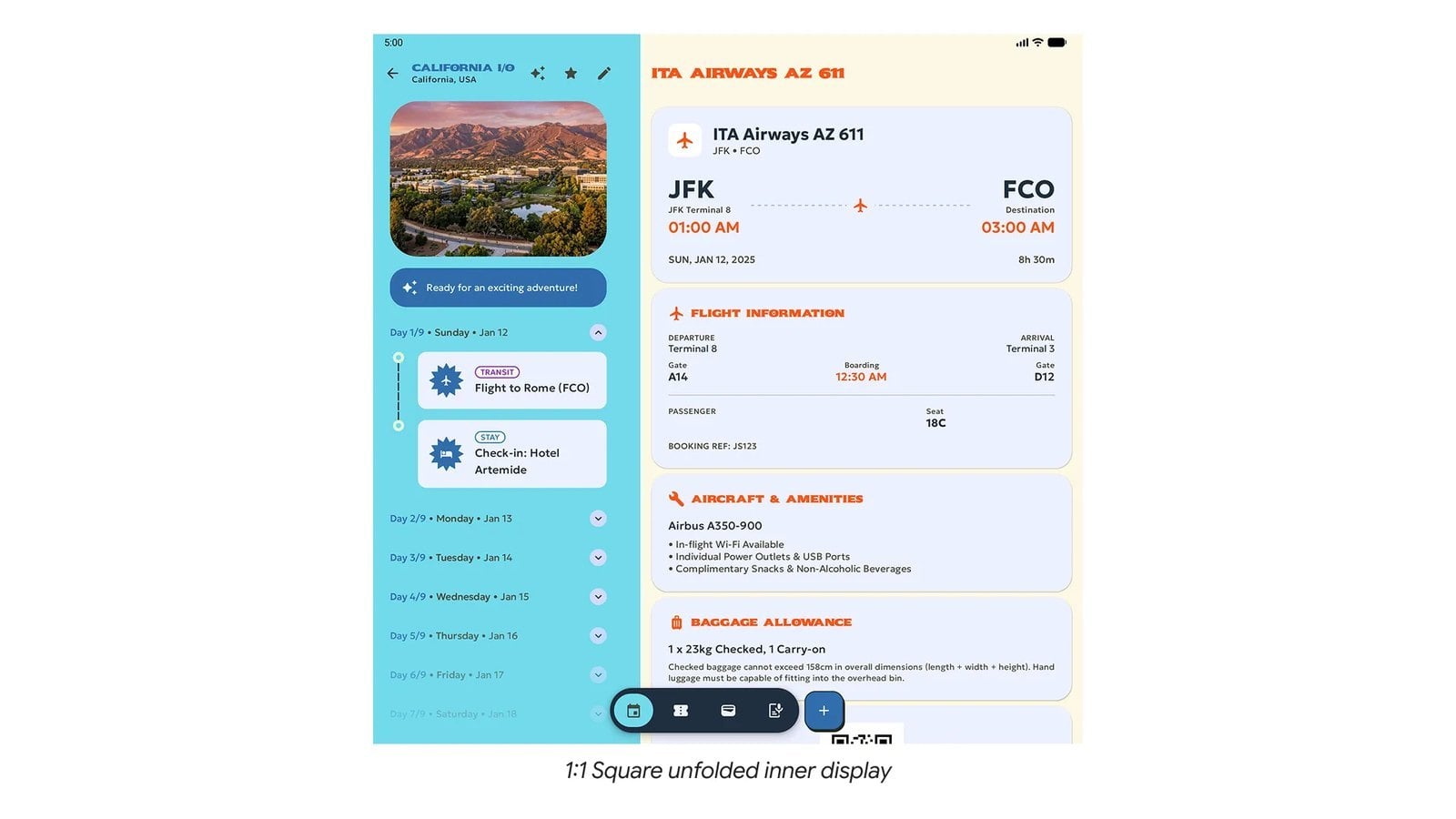
Store listings are changing too. As of November 18, developers can upload foldable screenshots in the Play Console, and Google says these will start showing up in Play Store listings over the next few weeks. From April 2027, new apps and listing updates must include three foldable screenshots on top of the usual two phone screenshots.
Google wants those images to cover both types of book-style foldables:
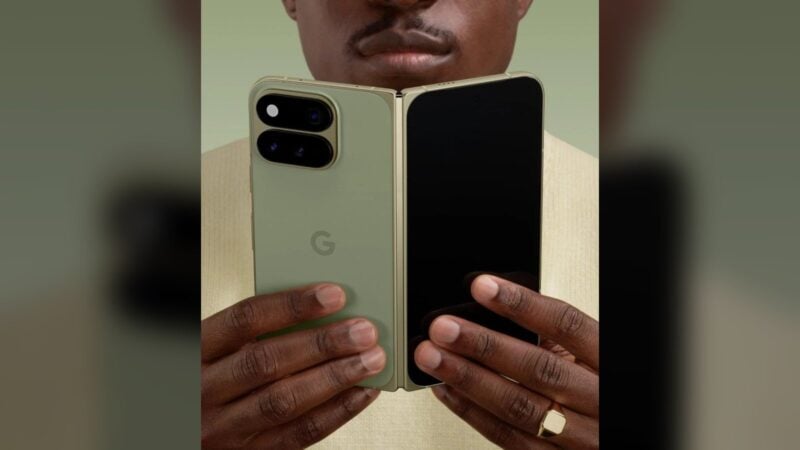
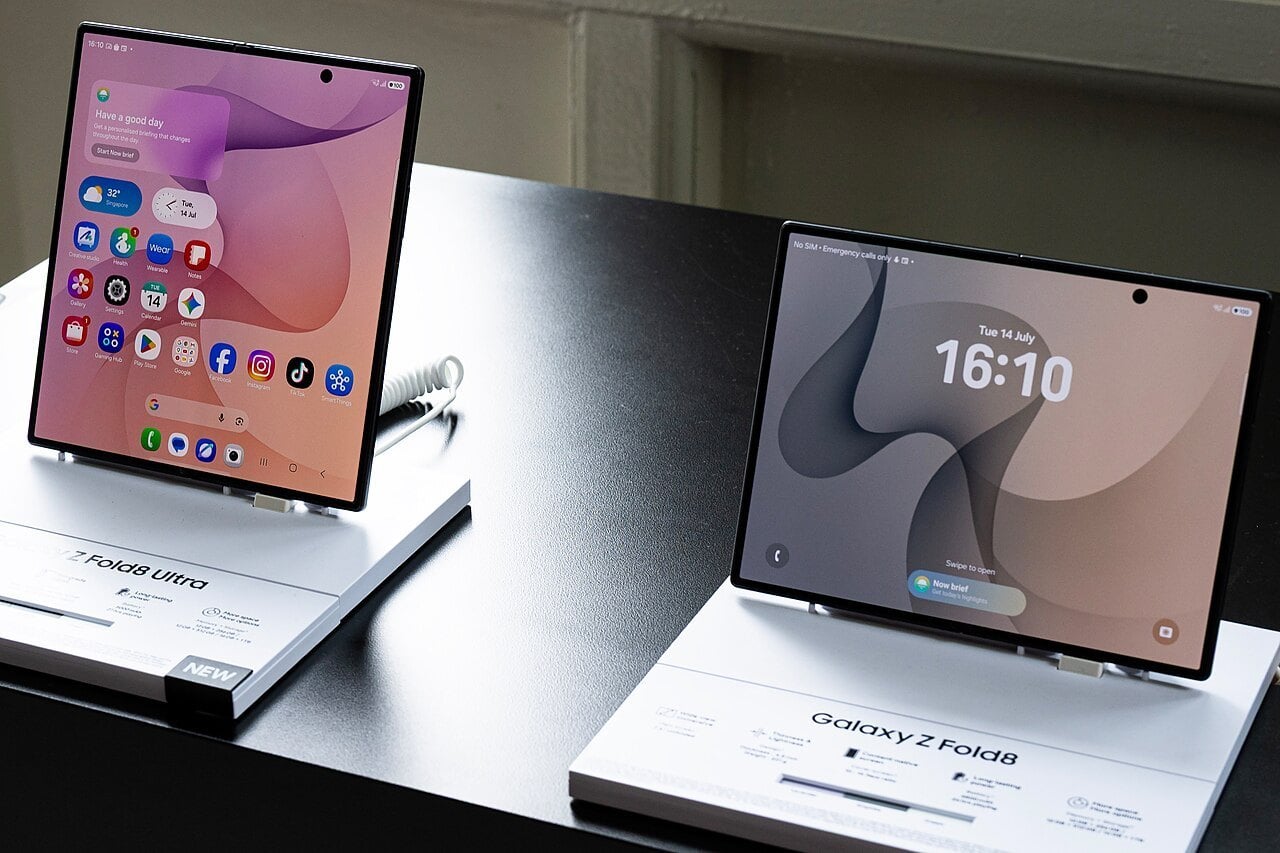
- 1:1 inner displays: at least one screenshot of the unfolded square screen, which matches devices like the Samsung Galaxy Z Fold8 Ultra and Google Pixel 11 Pro Fold
- 4:3 inner displays: at least one unfolded 4:3 screenshot plus one portrait shot of the 10:16 cover screen, which matches the Samsung Galaxy Z Fold8
- Standard phones: an optional 16:9 landscape screenshot can now sit alongside the required portrait shots
Screenshots from Google's own foldable emulators meet the new rules. Developers without a physical foldable can still comply.
Games get until August 2027
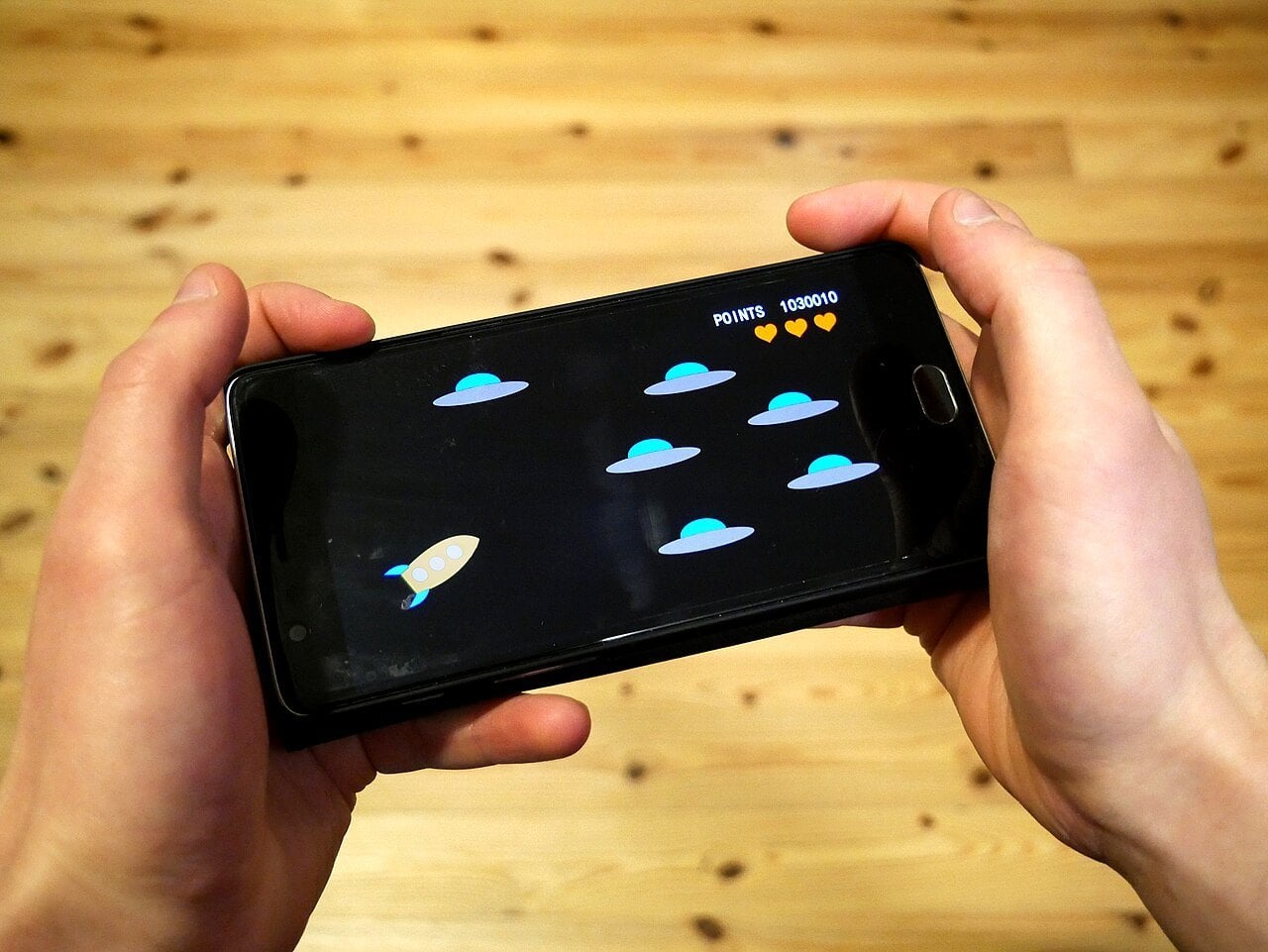
In a companion post for game developers, Google set out a separate three-tier system built around game engines and touch controls. The baseline Tier 3 “Ready” level requires games to:
- Render full screen in their supported orientations
- Keep HUD elements clear of obstructions
- Letterbox cleanly inside the game when rotated to an unsupported orientation
- Keep progress and touch alignment intact through folding, unfolding, rotation, and multi-window resizing
Games must meet that standard by August 2027 to publish new titles or updates. The screenshot rule still applies in April 2027, though: games need at least three foldable screenshots plus one phone screenshot in their main orientation. The top Tier 1 level for games targets sustained 60fps, or 120fps on supported displays, along with dynamic resolution scaling between the inner and cover screens.
What happens next
Apps already in the Play Store that aren't updated will stay available to download after the April deadline. The rules apply when developers publish something new or push an update. A second deadline arrives in August 2027, when new and updated apps must target API level 37 (Android 17). Google says that change removes the developer opt-outs that let apps restrict orientation and resizing on large screens.
Google pitches the work as worthwhile beyond foldables. It counts more than 580 million large-screen Android devices in use today, ranging from tablets to Googlebook laptops and Android XR hardware. The company says these requirements cover foldables for now but plans to extend them to tablets, Googlebooks, and other large screens in later phases.
As of November 19, 2026, the screenshot upload tool is live in the Play Console. The first enforcement deadline for apps lands in April 2027.