



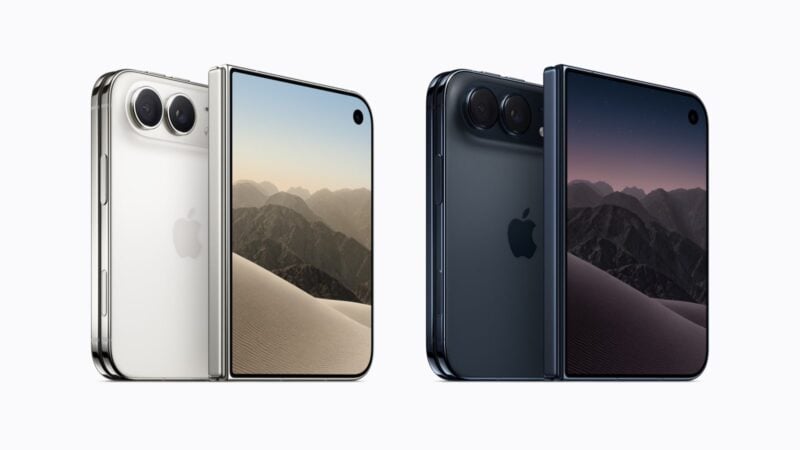
Apple is giving the iPhone Duo a way to unlock with your face. The second developer beta of iOS 27.3, released on Monday, November 16, adds an option called Unlock with Front Camera. It lets owners of Apple's first foldable get past the Lock Screen by looking at the outer display. It isn't Face ID, though, and Apple has put several limits on what it can do.
Android users have a reason to care. Apple's first folding phone launched at $1,999 without the TrueDepth sensor array that powers Face ID on every other current iPhone, including the cheapest model. That left Touch ID as its only biometric option. Apple's software fix shows how it is trying to close the gap with foldables from Samsung and Google.
How Unlock with Front Camera works
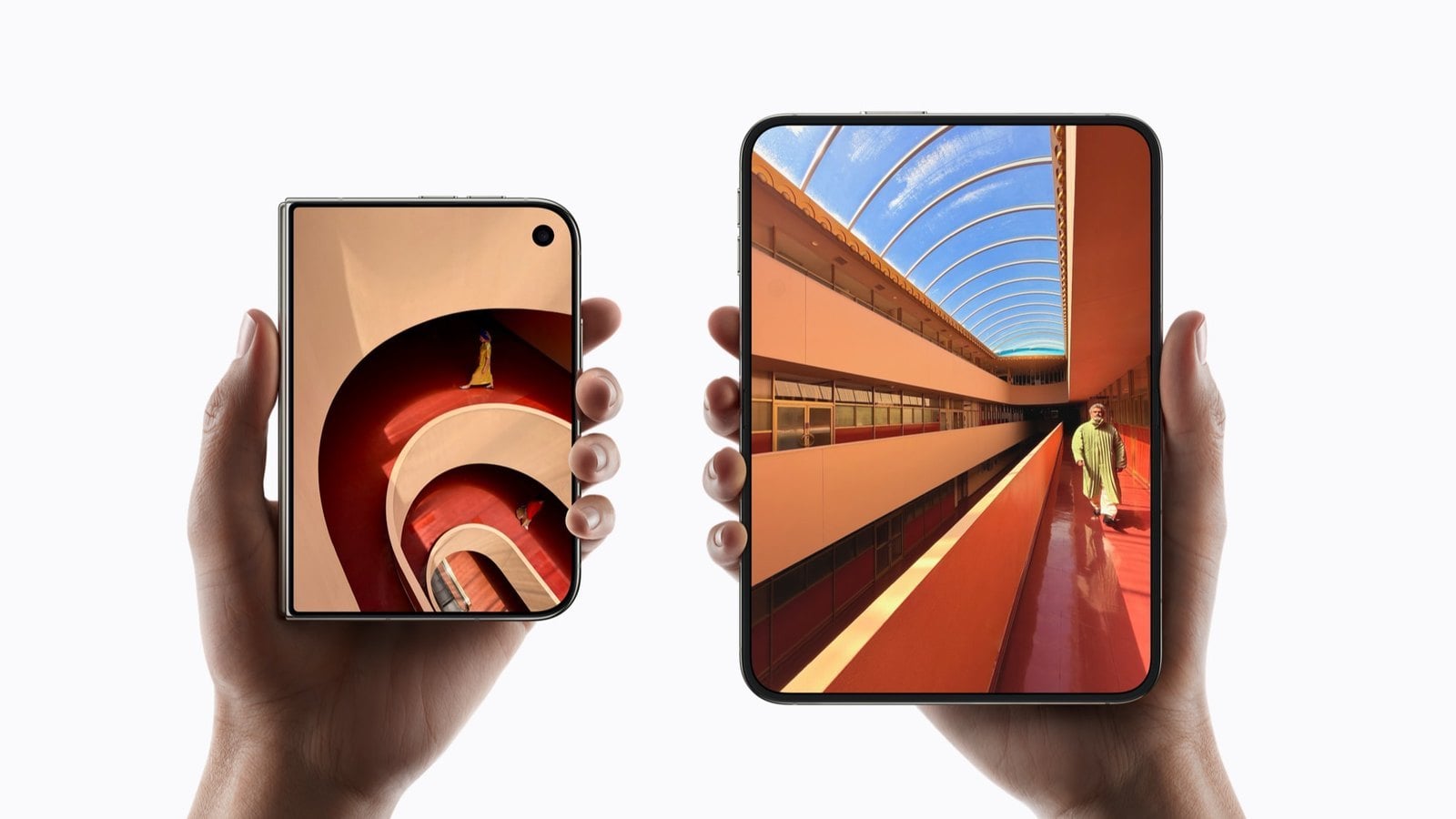
The toggle sits in the Settings app under Touch ID & Passcode. Once it's on, the selfie camera on the Duo's outer screen checks your face and unlocks the phone if it recognizes you. The setup screen is open about the trade-off. It warns that the feature “provides convenience” but “isn't as secure as Touch ID or Face ID.”
The Settings app describes it as using the front camera, “along with a recent Touch ID or passcode authentication, to quickly unlock iPhone Duo when it's closed.” Apple adds that face recognition data never leaves the device.
Without depth sensors to build a 3D map of your face, Apple relies on a newer security feature in its silicon called Secure Exclaves. This protected memory area in the A20 Pro is separate from the Secure Enclave that stores Face ID data. Face data is processed and matched inside the exclave, out of reach of iOS, apps, the user and Apple itself.
The method comes from Apple's recently launched HomeView smart display. HomeView uses its camera to recognize up to six people in a household and show each of them their own content.
Because this kind of camera-only recognition is easier to fool than Face ID, Apple has fenced it in:
- It only gets you past the Lock Screen. Apple Pay, saved passwords and locked apps still need Touch ID or the passcode.
- You have to authenticate with Touch ID or a passcode first, and face unlock turns off after about 45 minutes without an unlock.
- It only works with the phone folded. When the Duo is open, the inner screen's lower-resolution under-display camera isn't used, so you're back to Touch ID or the passcode.
Early hands-on results look good. Engadget found the feature unlocked faster than Touch ID and wasn't fooled by a photo of the owner's face held up to the camera. It worked in some low light but not in complete darkness.
The same beta adds a second Duo-specific setting. Under Display & Brightness, owners can choose to have the phone lock when they fold it shut, instead of moving what's on screen to the outer display.
How it compares with Android foldables
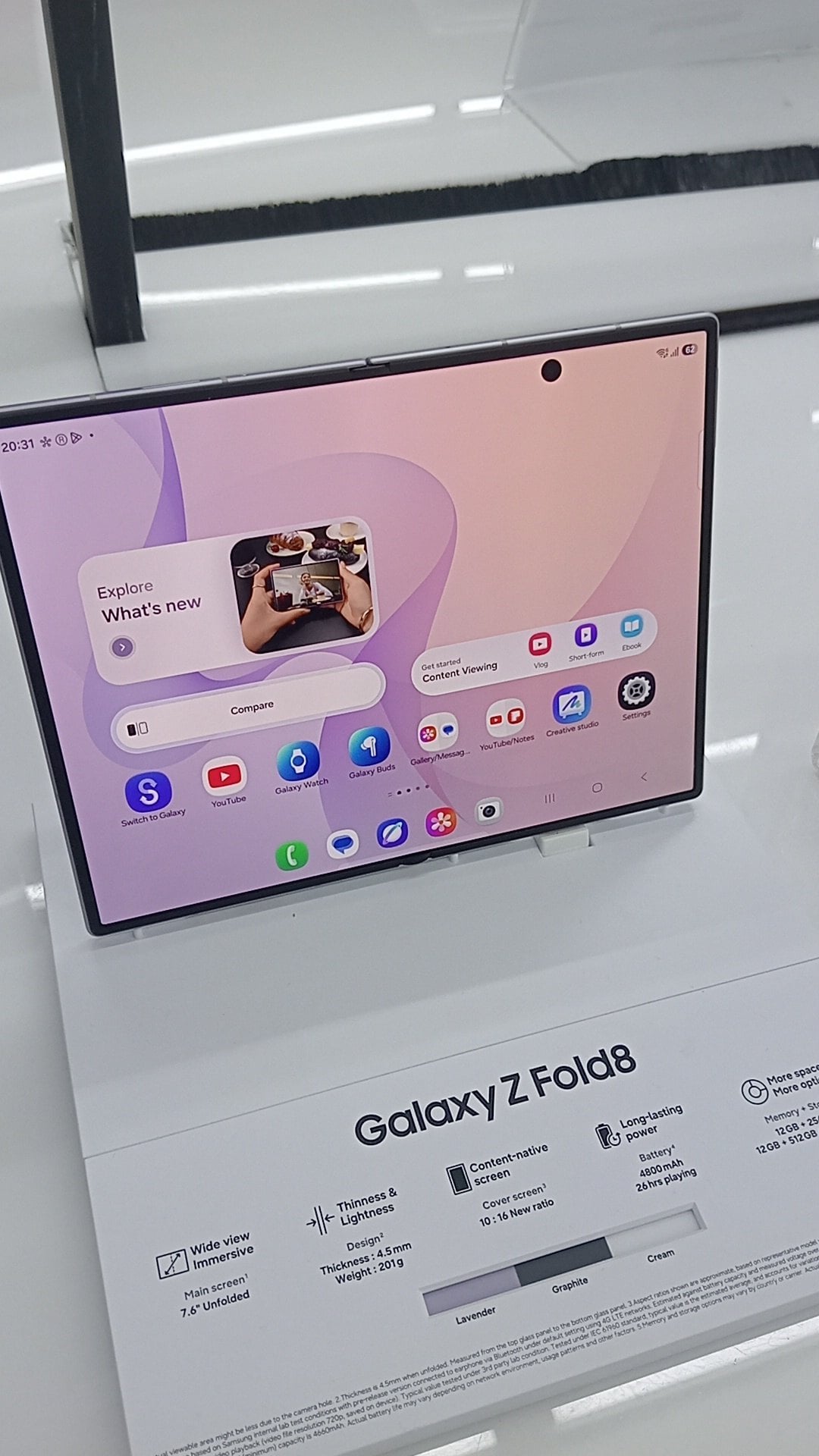
Android foldables have offered face unlock for years, but with the same caveats Apple is now admitting to. Samsung's camera-based face recognition on Galaxy phones, including the Galaxy Z Fold 8, is meant mainly for unlocking the device. It isn't treated as strong enough to protect sensitive content. Samsung also pairs it with a fingerprint reader that is faster than the Duo's Touch ID sensor in the side button.
Google's newer Pixel foldables go further. They are the only folding phones sold in the US with facial authentication secure enough for sensitive tasks, although it doesn't work as well in the dark as Face ID. Apple's new feature sits closer to Samsung's approach: quick and convenient at the Lock Screen, with fingerprint or PIN checks still guarding payments and passwords.
Before this update, Duo owners who wanted to skip the passcode could only use Touch ID or unlock the phone with a paired Apple Watch. Apple has also used software to fix some early complaints about the foldable. Recent updates added Reachability, which makes the cover screen easier to use with one hand, and support for the USB-C Apple Pencil.
When iPhone Duo owners will get it
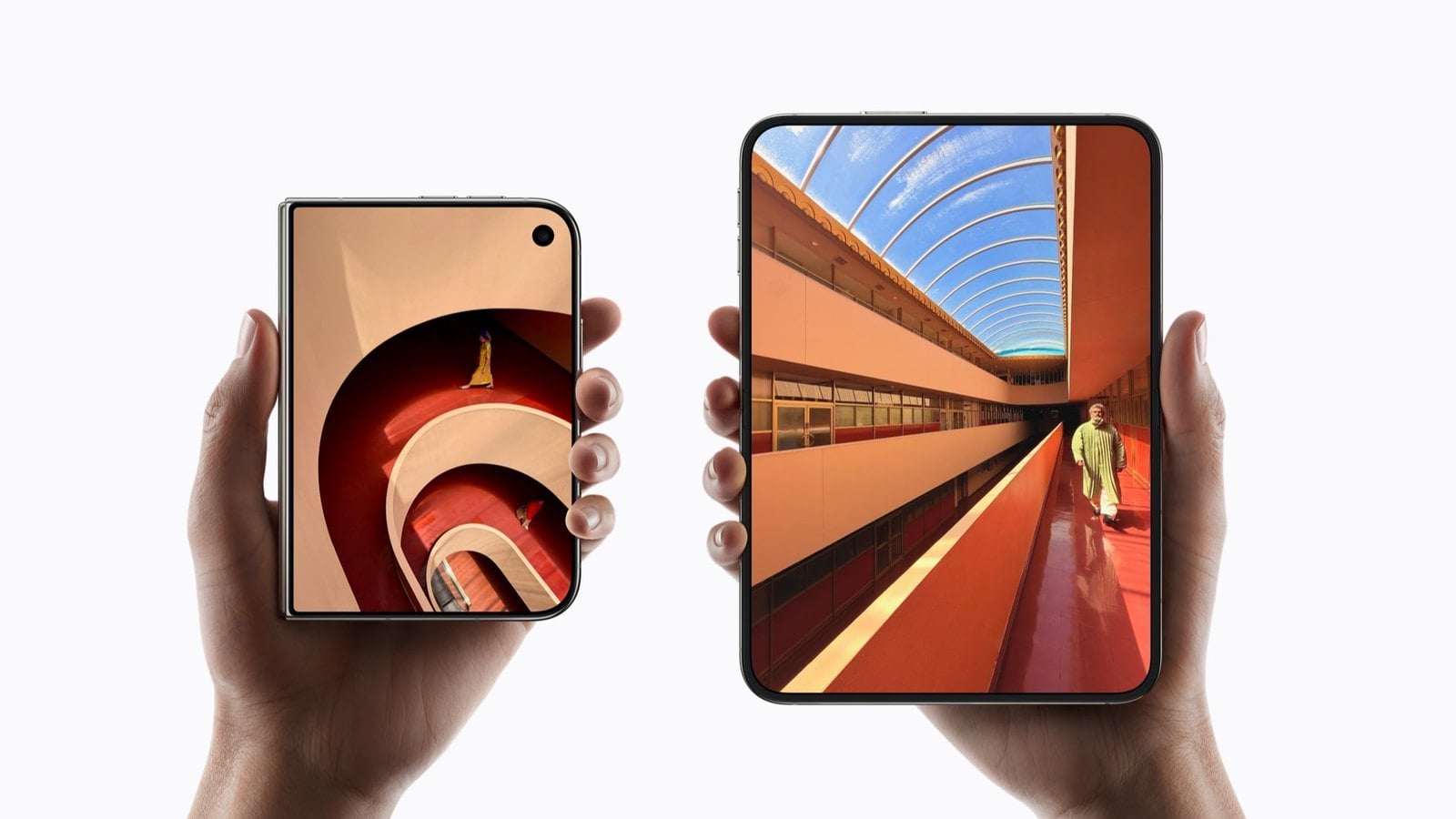
As of November 17, 2026, Unlock with Front Camera is only available to people running the iOS 27.3 developer beta. Apple hasn't said when iOS 27.3 will reach the public. Features can change or be pulled before a final release.
The real fix may come with new hardware. Bloomberg's Mark Gurman has reported that Apple is testing proper Face ID on second-generation iPhone Duo prototypes, and other rumors point to a TrueDepth camera arriving as soon as next year's model. None of this is confirmed. Tight development schedules could push full Face ID back to a third-generation model in 2028.