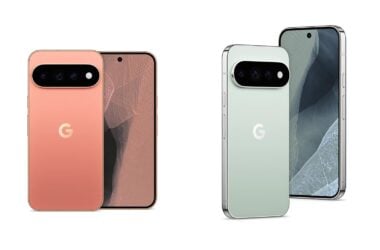



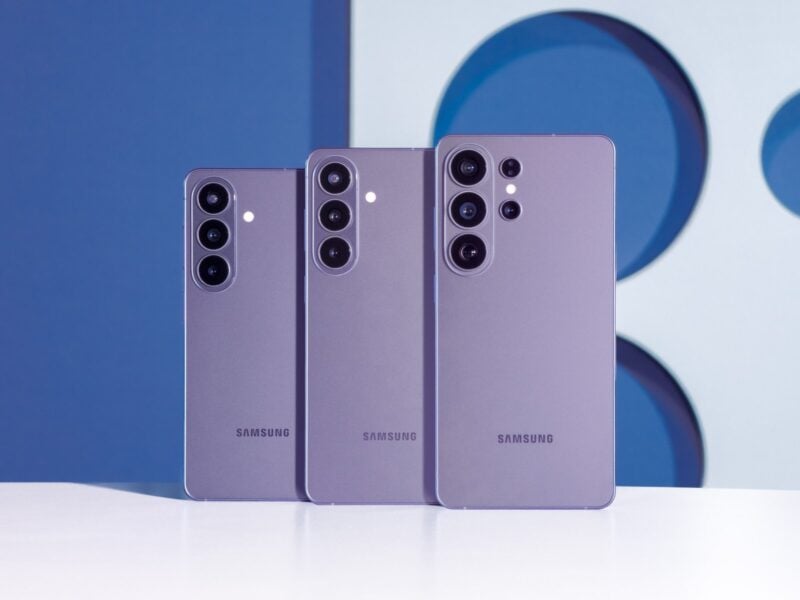
Samsung's Galaxy S28 Pro and Galaxy S28 Ultra could bring back a variable aperture main camera, according to a post on X from leaker Yogesh Brar. Samsung last used a mechanical aperture on a phone with the Galaxy S10 in 2019. If the leak is right, the company's 2028 flagships would get hardware that Apple added to the iPhone 18 Pro this fall.
Brar is careful with his wording. He says the feature could return on the two top Galaxy S28 models, not that it will. Samsung has not commented. The Galaxy S28 series isn't expected until 2028, more than a year away, so treat this as an early sign of where Samsung is heading, not a finished spec sheet.
Brar also claims Samsung isn't the only phone maker looking at variable aperture hardware for future flagships. Chinese Android brands are reportedly considering the same idea for their upcoming high-end phones.
A feature Samsung dropped after the Galaxy S10
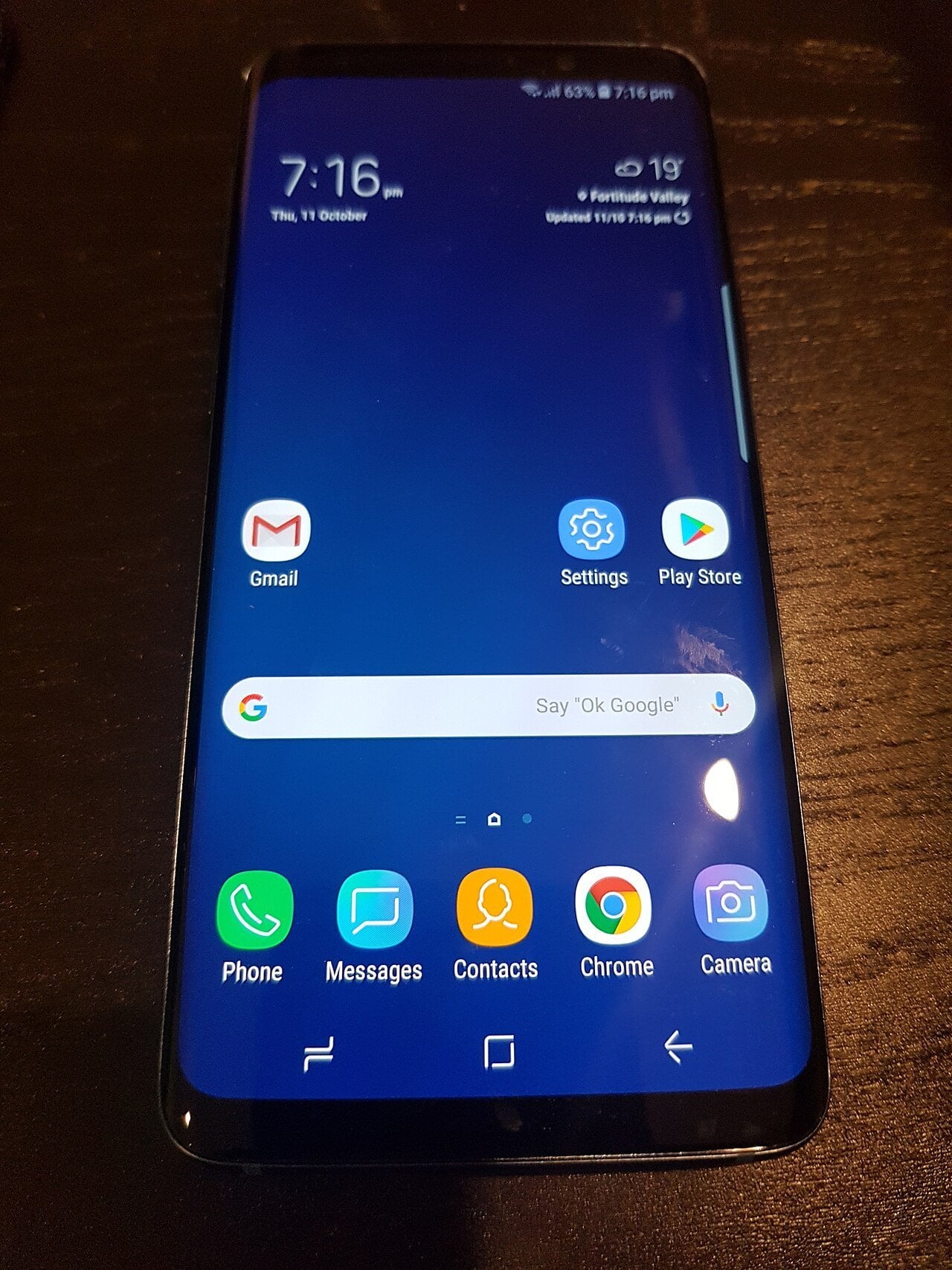
Samsung has done this before. The Galaxy S9 in 2018 and the Galaxy S10 in 2019 used a system Samsung called Dual Aperture. It switched between two fixed apertures rather than adjusting smoothly across a range, so it wasn't a true variable aperture. Its main job was to help with low-light photos.
Samsung dropped it with the Galaxy S20 series. Its cameras moved toward computational photography and long-range zoom, led by the Galaxy S20 Ultra. Every Galaxy S flagship since then has had a fixed aperture.
The idea behind a variable aperture is simple. Opening the lens wider lets more light reach the sensor, which helps in dim scenes and gives natural background blur. Closing it down keeps bright scenes from overexposing and puts more of the frame in focus. That second part is useful for group shots and landscapes.
Apple's iPhone 18 Pro raised the stakes
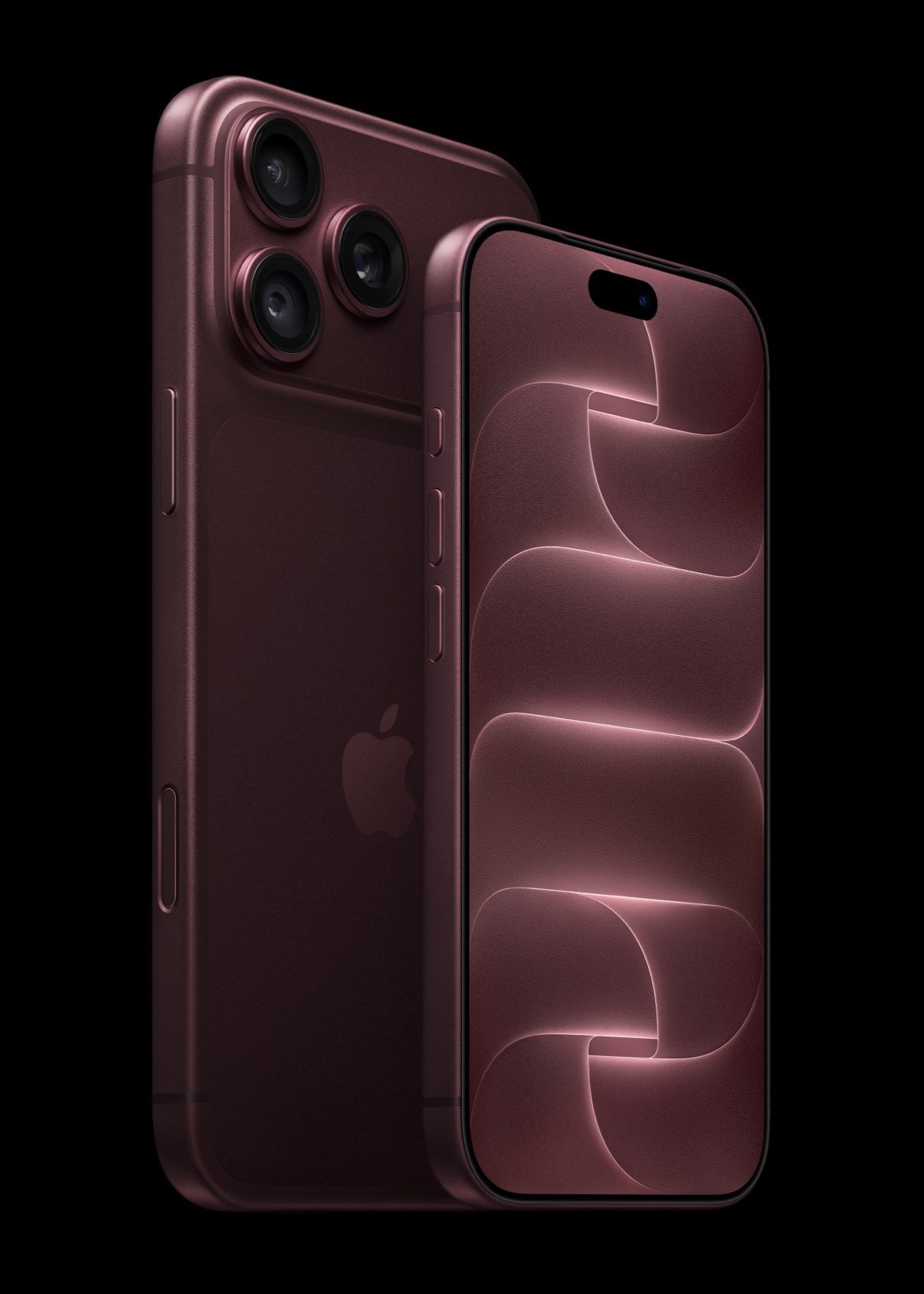
Talk of a Samsung comeback picked up as Apple's plans became clear. Apple announced the iPhone 18 Pro and iPhone 18 Pro Max on September 9, 2026, with a 48MP Fusion Main camera that has a variable aperture. It's the first iPhone with aperture control.
Here's how Apple's version works, according to the company:
- Six laser-cut blades, moved by a new rotor mechanism, shift between apertures
- The camera can open up to f/1.48 for low-light shots or close down to f/4 for more depth of field
- Portraits are shot at f/1.8 by default
- Users can manually pick any of four aperture settings in the Camera app
- Developers get an API with more control across the aperture range
For Samsung, that puts a headline camera feature on its biggest rival's flagship that its own Ultra doesn't have. The Galaxy S Ultra has long been Samsung's camera showcase, which makes a 2028 comeback easy to believe. Still, Brar's post is the only source so far, and nothing from Samsung confirms it.
Galaxy S27 comes first, without it
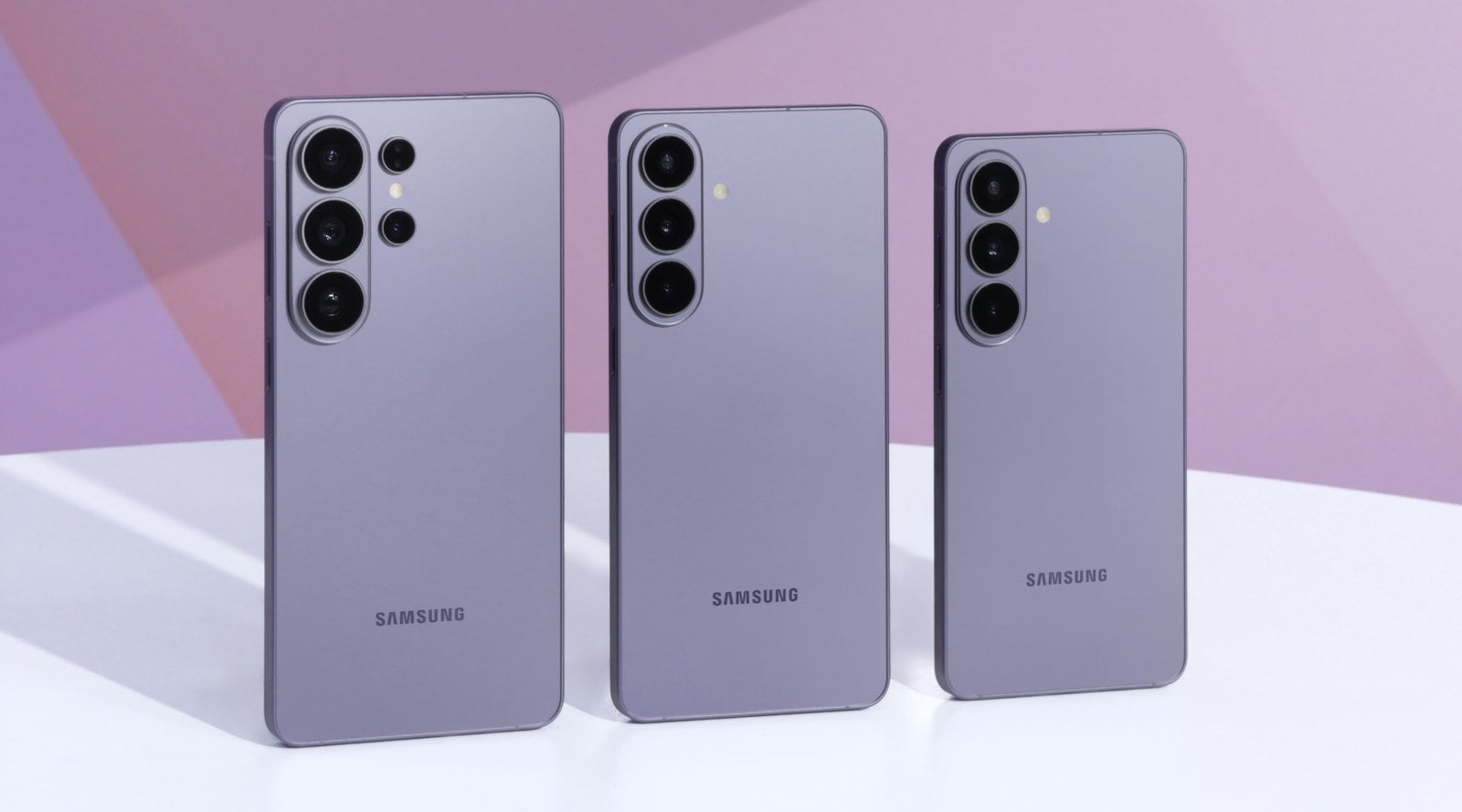
Rumors of a Samsung variable aperture camera aren't new. Some suggested the Galaxy S26 Ultra would get one, and it didn't. The rumor came back for the Galaxy S27 series until an August report from Korea's ET News said Samsung had chosen not to bring the feature back. The reasons given were higher manufacturing costs and thicker camera modules.
Cost is a sensitive issue for Samsung right now. Memory and other component prices have risen sharply. Samsung has raised prices on several Galaxy A models in India this month, and reports say it is choosing Galaxy S27 chips partly to protect its margins. A mechanical aperture adds parts, and it adds thickness to camera bumps that are already large.
Leaks so far point to a four-model Galaxy S27 lineup: the S27, S27+, S27 Pro and S27 Ultra. The Pro and Ultra reportedly get a redesigned rectangular camera island and share the same main and ultra-wide sensors. Samsung is expected to launch the series in January 2027, though it hasn't confirmed a date.
That leaves the Galaxy S28 Pro and S28 Ultra as the next realistic chance for the feature. As of November 16, 2026, the leak describes a possibility, not a commitment. Samsung's plans for 2028 phones can still change many times before launch. The next clues will likely come from supply chain reports on Samsung's camera modules once the Galaxy S27 is out.