





Unreal Engine 4.10 is out now, and brings some major changes with it. Not every single change has to do with Android, but many do, for example, Marshmallow support.
Some of the specific Android changes are, a new Material Quality system that will allow developers to scale games to fit low-end and high-end devices. You can now pick from low, medium, and high quality versions of shaders for all materials. You can also choose to disable rendering to increase performance, but the engine can also adjust to run optimally on popular devices automatically.
Just look at the difference between the Samsung Galaxy S6 Edge vs the older Samsung Galaxy S3.
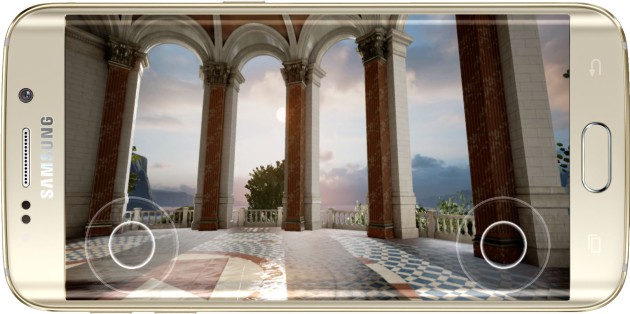
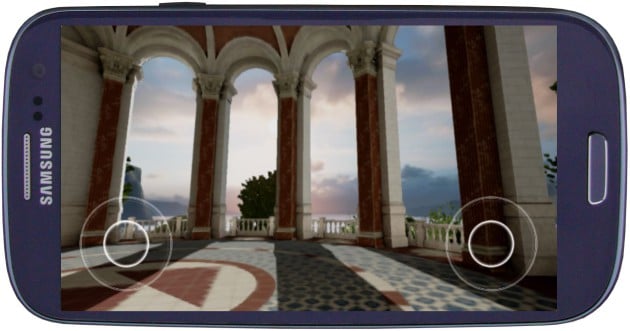
Other changes are things like refraction effects, which will now be available on mobile. The best part is developers do not need to do anything special to get them to work. Existing shaders with refraction will just work automatically.
Many new gamepads are also now supported. Controllers like the Amazon Fire game controller and TV remote, NVIDIA SHEILD controller and portable console, and the Samsung Game Pad EI-GP20. The name of the controller will automatically detect the mapping it needs.
For whatever reason, if you need to let users use an in-game web browser, you now can with the Web Browser widgets. This may be useful to display news messages to your users or show help text.
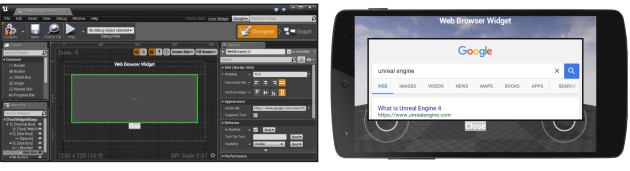 The changelog is really big, but some other changes that will affect every platform are things like, the ability to mirror landscapes, optimized VR rendering, Visual Studio 2015 support, and more.
Source: Unreal Engine
