



5 Things To Look Out for Before Depositing Funds in a Casino
For every new crypto casino you come across, there’s a high chance it promises a massive welcome bonus attached. A 500% match on your first deposit up to 1 BTC with fully anonymous trading now feels normal. However, most of these promises end up being just illusions.
But before you hit the register button, you need to become your own auditor. You can absolutely audit a crypto casino without a computer science degree to spot a scam. Frankly, it is absolutely non-negotiable if you value your digital assets.
From glaring licensing red flags to hidden traps buried deep inside promotional terms, a few minutes of aggressive digging can save you months of headaches. Let’s break down what you should check before sending a single satoshi.
1. Look for Independent Smart Contract Audits

In crypto, everything rests on code. The beauty of crypto gambling is that there is hardly any middleman. The gameplay logic and with/without withdrawals are performed through smart contracts, which also control the deposits.
However, code is written by humans. Humans make devastating mistakes. Sometimes, they intentionally leave backdoors wide open to steal funds. This is exactly where third-party audits come into play. A legitimate crypto casino will never conceal the underlying codes from the public’s view.
They proactively recruit well-known blockchain security companies such as CertiK, Hacken, and Quantstamp to actively scan their smart contracts for flaws. Look at the bottom of the web page (Under About Us). Look for a public audit report.
When you find it, click the link and read the executive summary. Did the auditors flag any massive security risks? If so, did developers actually patch them? A missing audit report in 2026 is a glowing red flag.
2. Verify the Licensing
Yes, cryptocurrency is inherently decentralized. But it does not excuse a casino from operating without legal oversight. A gambling license isn’t just another piece of paper. It’s a foundational layer of accountability.
Scroll down to the absolute bottom of the casino’s webpage. The company name should be displayed, along with a physical address, and a clickable regulator logo. In the past, Curacao was the jurisdiction of choice due to its less stringent regulatory regime. But things are drastically changing.
With strict frameworks like MiCA reshaping the landscape, top-tier platforms are securing stronger licenses. Regulatory requirements can also vary depending on the player’s location, so Canadian users should compare properly licensed ethereum casinos in Canada before depositing any funds. Here is the mandatory step: actually click the license link. Does it lead directly to an official regulatory database?
Does the domain name on the registry perfectly match the URL you are currently visiting? Scammers love to lazily clone legitimate websites and fake regulatory badges to trick unsuspecting players. If the link is a static JPEG image, close the tab instantly.
3. Scrutinize Withdrawal Rules and Hidden Bonus Traps

Every crypto casino promises instant withdrawals because they operate with cryptos. In most cases, this works until you finally win big. That is when the real, high-stakes audit begins. Then you find out there are hidden withdrawal rules and limits on the casino.
Before depositing, open the platform’s Terms and Conditions page. Look specifically for minimum and maximum withdrawal caps. A $10 minimum withdrawal is extremely player-friendly. A $200 minimum is a predatory trap designed to keep casual players gambling until their balance hits zero.
Aggressively dive into the pending periods next. A good crypto casino processes withdrawals automatically via smart contracts in mere minutes. If they randomly mandate a 48-hour manual review for standard payouts, they are deliberately stalling.
Another major thing to look out for is bonuses. A 100% deposit match sounds incredible until you realize it carries a grueling 80x wagering requirement. If you deposit $100, you wager $8,000 before withdrawing a dime.
Even worse are max bet rules. Sneaky casinos will completely void legitimate winnings if you bet more than $5 per spin while using bonus funds. The software won’t stop you from placing the bet. They just confiscate your cash later. Make sure you find and read these details.
4. Check Provable Fairness and Audited RNGs

Traditional casinos rely heavily on Random Number Generators (RNGs). These are essentially black boxes. You just have to blindly trust that the house hasn’t rigged the underlying algorithm. Crypto casinos utilize provably fair algorithms to make sure games cannot be rigged.
Probably Fair gaming works with a server seed, client seed, and a nonce. A legit crypto casino gives you a hashed version of the server seed before you even spin the slot. Once the round ends, they reveal the original seed.
With tools like ProvablyFair and StakeSim, you can calculate the outcome yourself to ensure zero manipulation happens. For non-crypto games mixed into the platform, check if their RNG software is independently tested. Look for renowned provider names like Pragmatic Play.
5. Check the KYC/AML Policies
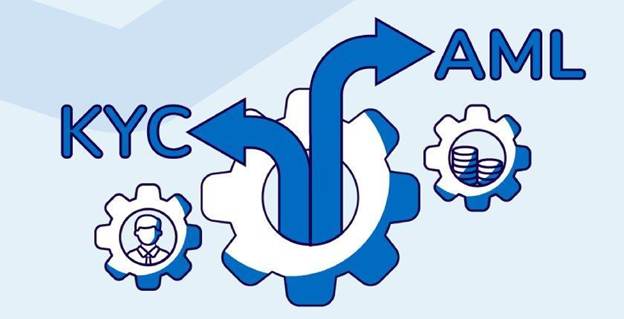
Every crypto casino uses the Full Anonymity tag to draw in players. In most cases, it’s just half of the whole story. Many players enthusiastically flock to crypto casinos thinking they won’t ever hand over passports or utility bills.
However, because of globally enforced Anti-Money Laundering (AML) regulations, almost every legitimate platform has some strict Know Your Customer (KYC) policy quietly buried inside its terms. You must know their exact stance before depositing. Some casinos operate on a tiered system.
You can easily deposit and withdraw small amounts using just an email address. But the second you hit a lucky jackpot and try withdrawing $5,000? Boom. Your account freezes until you provide a full identity verification stack. This actively keeps the platform compliant.
However, it becomes a massive headache if they suddenly spring this on you. Search their terms specifically for Source of Funds. Understand precisely what triggers a KYC check. Protect your identity fiercely. Because in the chaotic world of crypto gambling, nobody else is going to protect it for you.
Conclusion
Auditing a crypto casino yourself doesn’t require a degree in computer science. It just takes a few minutes of focused reading. Check the licenses, verify the cryptographic fairness, dissect the bonus math, review the cashier limits, and sort out your KYC early. Verifying a crypto casino before you trust will help you avoid stress in the future.