



Offshore Gambling’s Global Takeover: Legislation In The Crosshairs
In the last few decades, technological progress and globalization have caused the gambling business to change in a huge way. Offshore casinos, which are Internet gambling sites based in places other than a player's home country, have become very popular. Popularity has skyrocketed for these platforms, which let players access a huge number of games without being limited by local rules. This global boom has changed not only how people bet but also how governments around the world regulate gaming. There are many effects of overseas casinos, ranging from positive effects on the economy to problems with regulations.
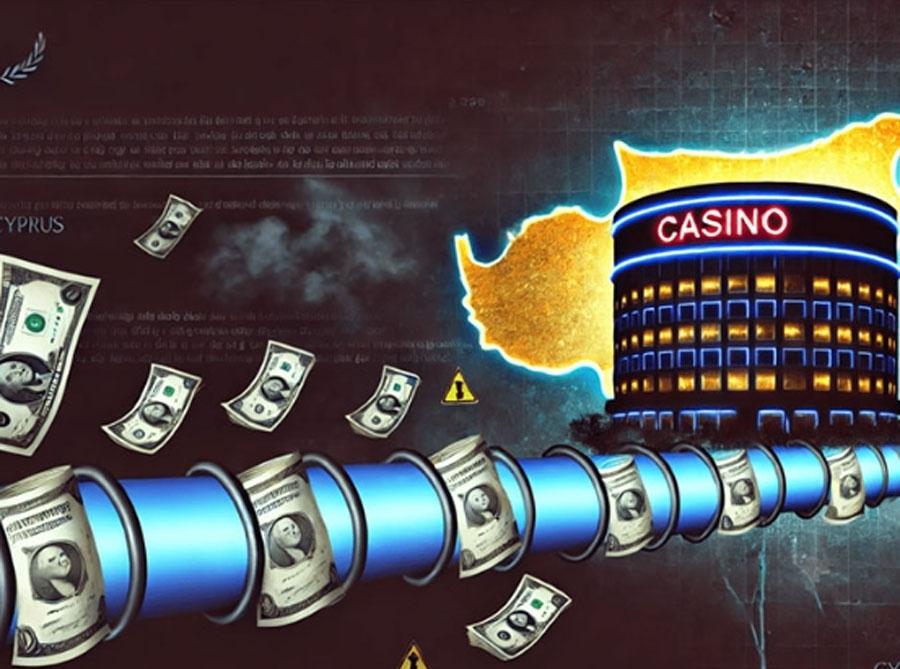
Offshore Casinos By Numbers
To get an idea of how big this problem is, look at the table below:
| Region | Estimated Offshore Gambling Revenue (2023) | Primary Regulatory Challenge |
| North America | $25 billion | State-by-state legal inconsistencies |
| Europe | $40 billion | Balancing EU freedom with national laws |
| Asia-Pacific | $20 billion | Enforcement against VPN usage |
| Latin America | $8 billion | Emerging markets with lax oversight |
What's Going On With Offshore Casinos
The first online casinos opened as the web grew in the late 1990s. But in the 2000s and 2010s, they grew very quickly. People often choose to license their online betting businesses in places like Malta, Gibraltar, Curaçao, and the Isle of Man because they have few rules and low taxes. Businesses could do business all over the world with these places' laws, instead of having to deal with the stricter rules of places like the US or UK.
Some people like going to casinos in other countries because they are easy to get to and have lots of games. Anyone with internet access can bet on sports and play slots, poker, or blackjack from anywhere. This often lets them break the rules in their area. There are different rules about gambling in each state in the United States. Foreign sites have stepped in to help players who live in places where gambling is against the law. This ease of use, along with strong marketing and coin payment choices, has helped them spread around the world. For US players, this has led to the emergence of the best offshore casino sites for USA players, which offer more options and flexibility than many domestic platforms.
Statista said in 2023 that the world market for online gaming was worth more than $85 billion, with foreign companies making up a big part of that. The widespread use of cell phones and fast internet has only sped up this trend, making overseas casinos the biggest players in the business.
Effects On The Economy: A Two-Edged Sword
The effects of overseas gambling on the economy are big. These companies bring in money for host countries through taxes, license fees, and new jobs. Malta, for instance, has built a strong economy around gaming, which employs tens of thousands of people in tech, customer service, and safety jobs. A story from BBC News in 2022 talked about how Malta's gaming business makes up about 12% of its GDP. This shows how profitable it is for countries to host overseas casinos (source: BBC News).
But it's not as clear what the economic gains are for the countries where the players live. When offshore casinos make money, they often take money out of local markets and give it to foreign owners instead of local businesses. Also, governments lose tax money that they could get from legal gaming that happens in their own countries. And because the internet doesn't have borders, some countries have tried to block these sites or fine players. But it's still hard to do.
Legislative Responses To Regulatory Challenges
The growth of overseas casinos around the world has shown where gambling laws are lacking in many countries. Laws from the past were made for real-life gambling, not for online sites that work in multiple countries. Because of this, there are different sets of rules in each country, with some supporting overseas gaming and others trying to stop it.
Here's a quick look at how people in different areas have responded:
- The United States:
The states control online gaming. There are places that do not allow it, like New Jersey. This law from 2006, called the Unlawful Internet Gambling Enforcement Act (UIGEA), tried to stop foreign companies by going after the companies that handle payments. To get around the rule, though, many sites switched to cryptocurrencies.
- The European Union:
There are a lot of different ways to do things in the EU because each member state can make its own rules. Malta does very well as a hub, but France and Germany have strict rules for foreign companies.
- In Australia:
By law, the Interactive Gambling Act of 2001 says that Australians can't use casinos in other countries. However, this law isn't always followed.
- In Asia:
Countries like China don't allow any kind of online gaming, but players still like to use VPNs to access foreign sites to get around the rules.

Social And Moral Issues
Offshore casinos bring up more than just legal and economic issues. They also raise moral and social concerns. Some people say that because they aren't supervised, the risk of problem gaming, scams, and money laundering goes up. Offshore sites may not be able to police age checks or responsible gambling as well as controlled mainland casinos. Some foreign companies in Curaçao were linked to organized crime. This showed the need for stricter limits.
On the other hand, people who support overseas casinos say that they give customers more choices and encourage new ideas. They say that rules that are too strict make gaming go underground, where it's harder to keep an eye on. Calls for international unity have grown because of this debate, but it's hard to reach an agreement because of differences in geopolitics.
In Conclusion
The huge growth of overseas gambling around the world shows how technology can change businesses and put traditional government to the test. Players love these platforms because they give them access to a huge range of games. For governments, however, they are a complicated mix of possibilities and dangers. As the gaming business changes, so should the laws that govern it, whether this is done through national changes or cooperation between countries. The question still stands: can officials keep up with the fast-moving digital frontier, or will overseas casinos continue to do well despite old laws? There is a lot at stake, just like in the games.